Discovering a mysterious puddle beneath your parked vehicle is never a welcome sight. While it might be tempting to hope it's just condensation from your air conditioning system, ignoring fluid leaks can lead to serious consequences—from costly repairs to dangerous driving conditions. For Denver drivers facing our unique climate challenges, understanding and addressing leaks quickly is especially important.
The Hidden Dangers of Ignoring Fluid Leaks
When you spot liquid under your car, you're witnessing an early warning sign of a potentially serious problem:
Safety Risks
- Brake fluid leaks can lead to partial or complete brake failure—particularly dangerous on Denver's steep roads like 6th Avenue or descending from Lookout Mountain
- Power steering fluid leaks may cause sudden steering difficulty, which could be catastrophic on I-25 or I-70 during heavy traffic
- Engine oil leaks can result in engine seizure, potentially leaving you stranded in remote areas or during extreme weather conditions
Financial Consequences
Ignoring even small leaks typically leads to:
- More extensive damage over time
- More expensive repairs
- Shorter vehicle lifespan
- Reduced resale value
Environmental Impact
Leaking automotive fluids:
- Contaminate Denver's watershed, affecting the South Platte River and other local waterways
- Can harm wildlife and plant life
- Contribute to groundwater pollution
- Violate local environmental regulations
Identifying Common Fluid Leaks
Different fluids serve unique purposes in your vehicle, and each has distinctive characteristics when leaked:
Engine Oil
Appearance : Light to dark brown or black, sometimes with a rainbow sheen Consistency : Slick, medium thickness Likely location : Under the center or front of the engine Why it matters : Engine oil lubricates crucial moving parts. Low oil levels from leaks can cause catastrophic engine damage, especially in Denver's high-altitude conditions where engines already work harder.
Denver-specific concern : Our higher elevation makes engines run at higher temperatures, making oil even more crucial for proper lubrication. A leaking oil system can lead to accelerated wear at our altitude.
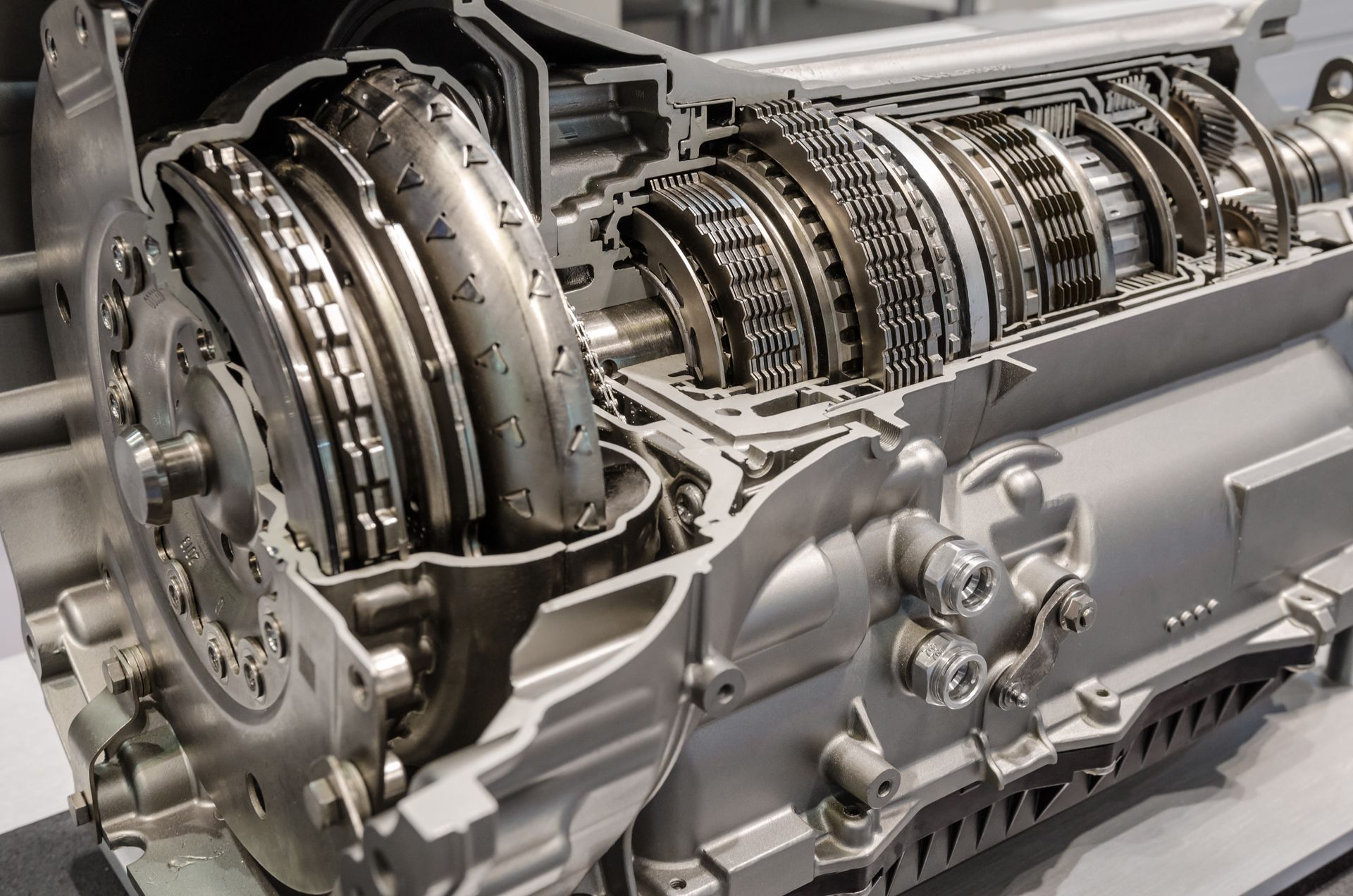
Transmission Fluid
Appearance : Red or brown with a sweet smell when fresh, darker and burnt-smelling when old Consistency : Slick, similar to engine oil but often more red Likely location : Middle to front of car Why it matters : Transmission repairs are among the most expensive vehicle services. Catching leaks early can prevent transmission failure.
Denver-specific concern : Denver's mountainous surroundings mean transmissions work harder on inclines and declines. Adequate fluid is essential when traveling through the mountains or towing in Colorado's varied terrain.
Brake Fluid
Appearance : Clear to light brown, similar to fresh motor oil but clearer Consistency : Slippery, similar to vegetable oil Likely location : Near the wheels or under the brake pedal area Why it matters : Even small brake fluid leaks can lead to spongy brakes or complete brake failure.
Denver-specific concern : Our city's combination of steep hills, mountain driving, and winter conditions makes brake performance especially critical. A brake fluid leak can be particularly dangerous when navigating mountain passes like Berthoud or Loveland.
Coolant/Antifreeze
Appearance : Bright green, orange, pink, or blue depending on type, often with a sweet smell Consistency : Slimy, slippery Likely location : Under the radiator or front of car Why it matters : Prevents engine overheating and freezing. Leaks can lead to overheating and severe engine damage.
Denver-specific concern : Our extreme temperature swings—from below freezing to 90+ degrees sometimes within days—make your cooling system crucial year-round. Coolant leaks are particularly problematic in our climate.
Power Steering Fluid
Appearance : Clear, amber, or red Consistency : Similar to transmission fluid Likely location : Near the front wheels Why it matters : Makes steering manageable. Leaks lead to difficult steering or power steering pump damage.
Denver-specific concern : Navigating tight mountain roads or Denver's urban streets becomes especially challenging and potentially dangerous without proper power steering function.
Why Denver's Climate Makes Fluid Leaks More Serious
Our unique environment amplifies the importance of addressing fluid leaks promptly:
Extreme Temperature Fluctuations
Denver's famous temperature swings stress your vehicle's systems:
- Rapid freeze/thaw cycles accelerate the deterioration of hoses and seals
- Expansion and contraction of components can worsen existing small leaks
- Winter to summer temperature extremes demand properly functioning cooling and lubrication systems
High Altitude Effects
At Denver's elevation:
- Engines work harder and run hotter
- Cooling systems operate under greater stress
- Oil and transmission fluid provide crucial protection for engines working in thinner air
Varied Driving Conditions
The diversity of Denver-area driving demands fluid system integrity:
- Mountain driving requires optimal brake and transmission performance
- Highway commutes along I-25 or I-70 rely on engine reliability
- Winter driving conditions leave no room for compromised steering or braking
The Leak Detection and Diagnosis Process
If you notice fluid under your vehicle, here's how to proceed:
DIY Initial Assessment
- Place cardboard under your parked car overnight to collect drips
- Note the color, consistency, and smell of the fluid
- Observe the location of the leak relative to your vehicle
- Check fluid levels following your owner's manual guidance
- Look for patterns – does it happen when the AC runs, after driving, or constant?
When to Seek Professional Help
Contact a professional mechanic immediately if:
- The fluid is brake fluid, transmission fluid, or coolant
- The leak is significant (more than a few drops)
- You notice performance changes alongside the leak
- Multiple fluids appear to be leaking
- You can't identify the source or type of fluid
How Importsports Diagnoses and Repairs Fluid Leaks
At Importsports Auto Repair Pros & Performance, our approach to fluid leaks includes:
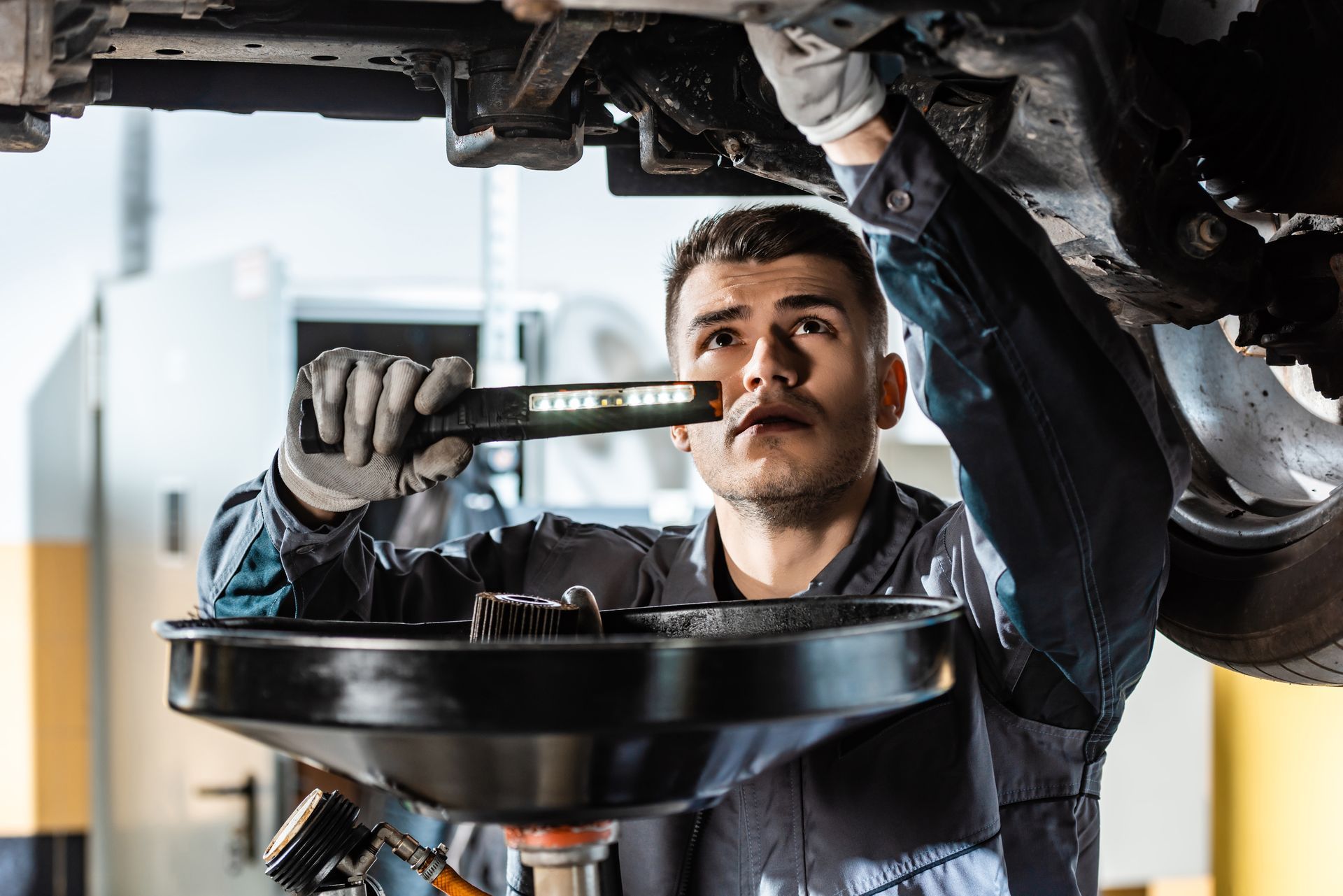
Comprehensive Inspection
Our ASE Certified technicians perform a thorough multi-point inspection to:
- Identify the exact source of the leak
- Assess related components for damage
- Determine if the leak has caused additional issues
- Recommend the most cost-effective repair solution
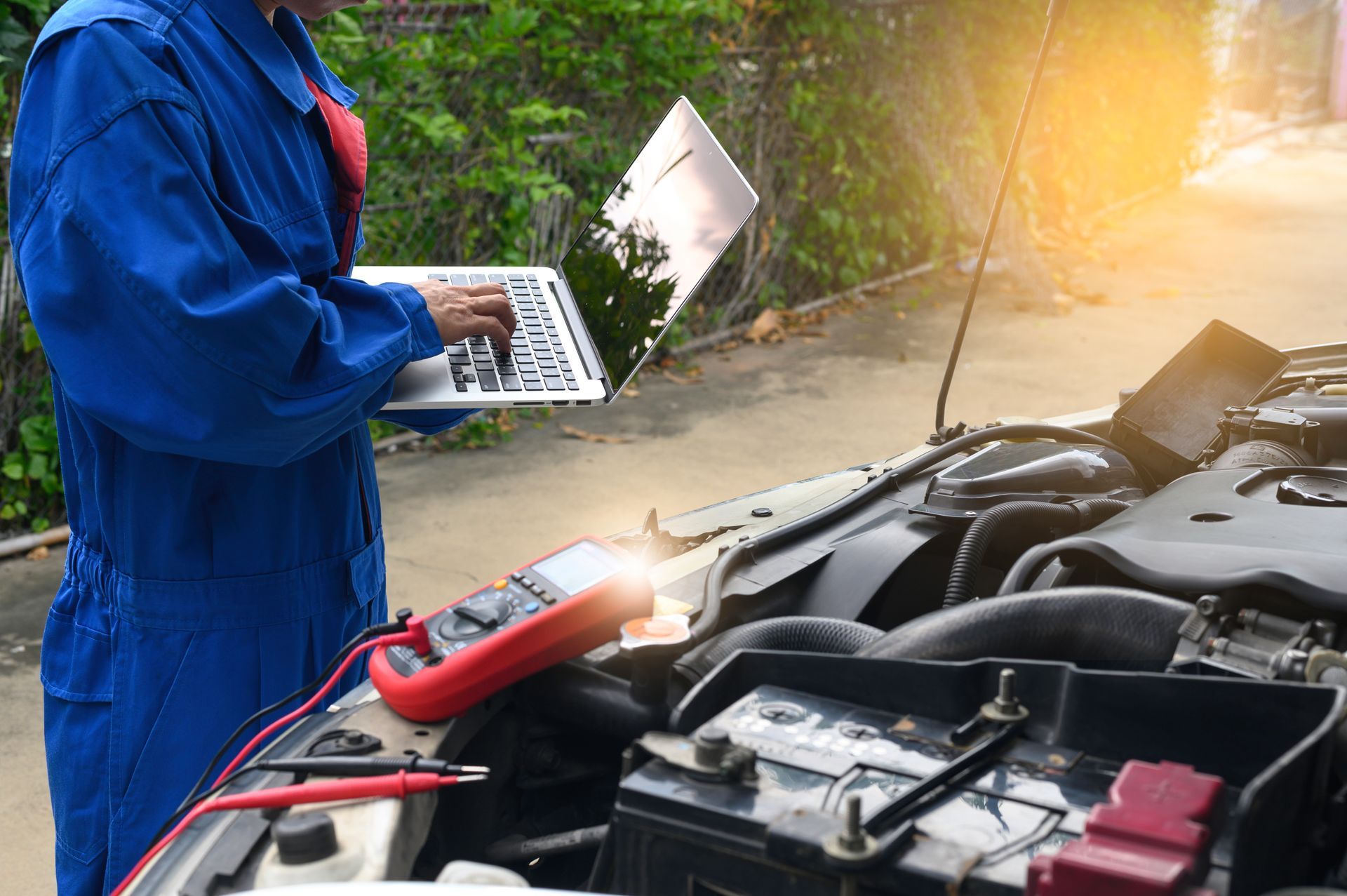
Advanced Diagnostic Techniques
For challenging leaks, we employ:
- UV dye testing to trace leak pathways
- Pressure testing for cooling system leaks
- Specialized equipment for European vehicle systems
Expert Repair Process
Our fluid leak repairs follow manufacturer specifications with:
- Premium gaskets and seals appropriate for your specific vehicle
- Correct fluid replacement meeting manufacturer requirements
- Post-repair testing to ensure complete resolution
- Thorough clean-up of leaked fluid residue that could mask future problems
Preventative Measures for Denver Drivers
To minimize the risk of fluid leaks in our challenging climate:
- Schedule regular fluid checks with seasonal maintenance
- Replace aging hoses and seals proactively, especially before winter
- Address minor leaks promptly before they become major issues
- Use high-quality fluids appropriate for temperature extremes
- Consider more frequent inspections if you regularly drive in mountains or extreme conditions
Expert Fluid Leak Repair in Denver
Don't risk your safety or expensive repairs by ignoring fluid leaks. At Importsports Auto Repair Pros & Performance, our team specializes in diagnosing and repairing leaks in all vehicle makes and models, with particular expertise in European vehicles like BMW, Mercedes-Benz, and Audi that often have more complex fluid systems.
Our state-of-the-art 5,000 sq. ft. facility in Denver is equipped with the diagnostic tools and expertise needed to address any fluid leak, from simple gasket replacements to complex system repairs. All our work is backed by our 36-Month/36k-Mile TechNet Nationwide Warranty for your peace of mind.
If you've noticed fluid under your vehicle or suspect a leak, contact us today at (303) 752-2422
or visit our shop at 7667 E Iliff Ave Ste I in Denver. Our team will help identify the source of your leak and provide expert repair to keep your vehicle running safely and reliably through all of Colorado's driving conditions.
Remember, when it comes to fluid leaks, addressing them promptly isn't just about avoiding costly repairs—it's about ensuring your safety on Denver's demanding roads. Don't drive another mile wondering about that mysterious puddle under your car!