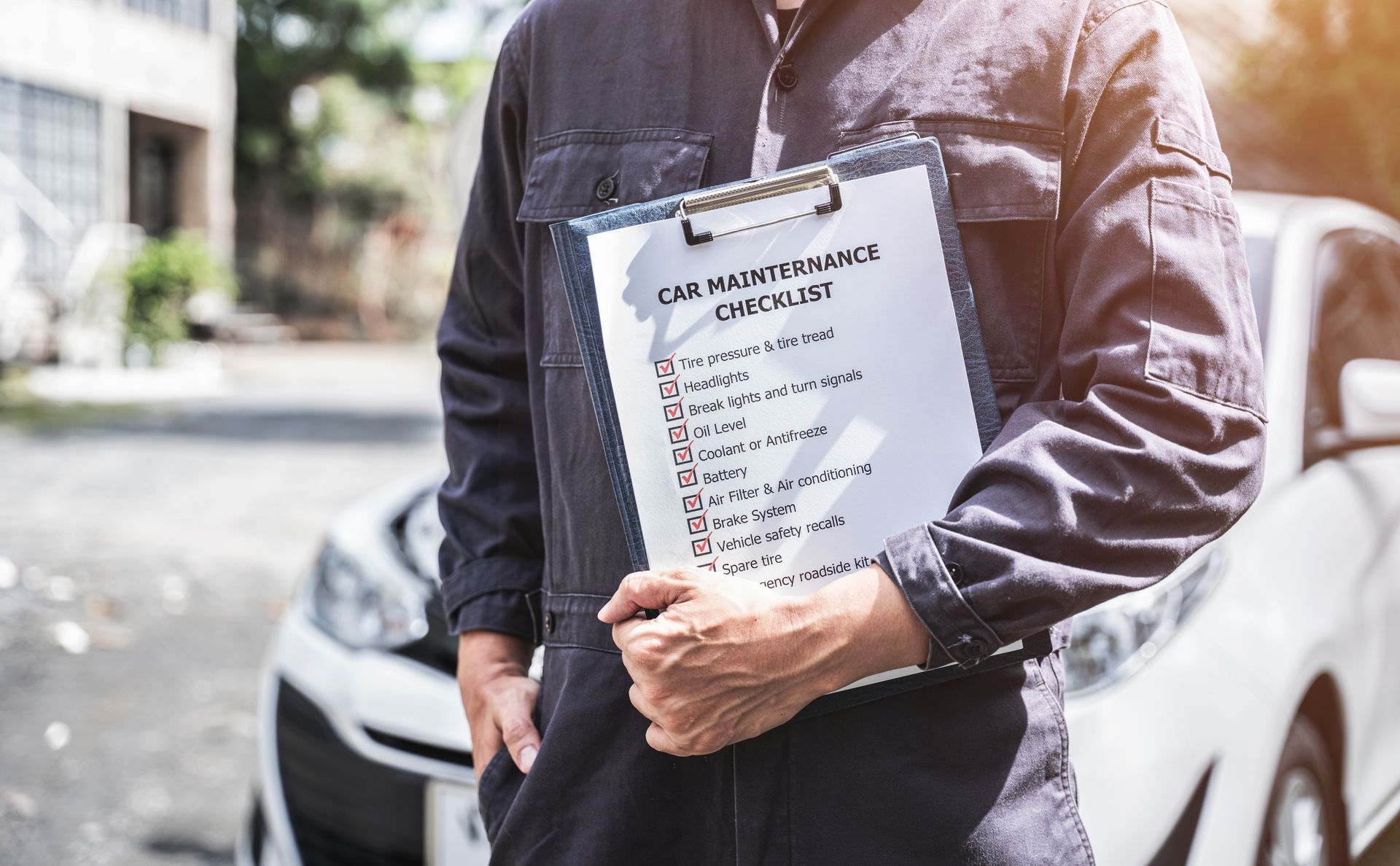
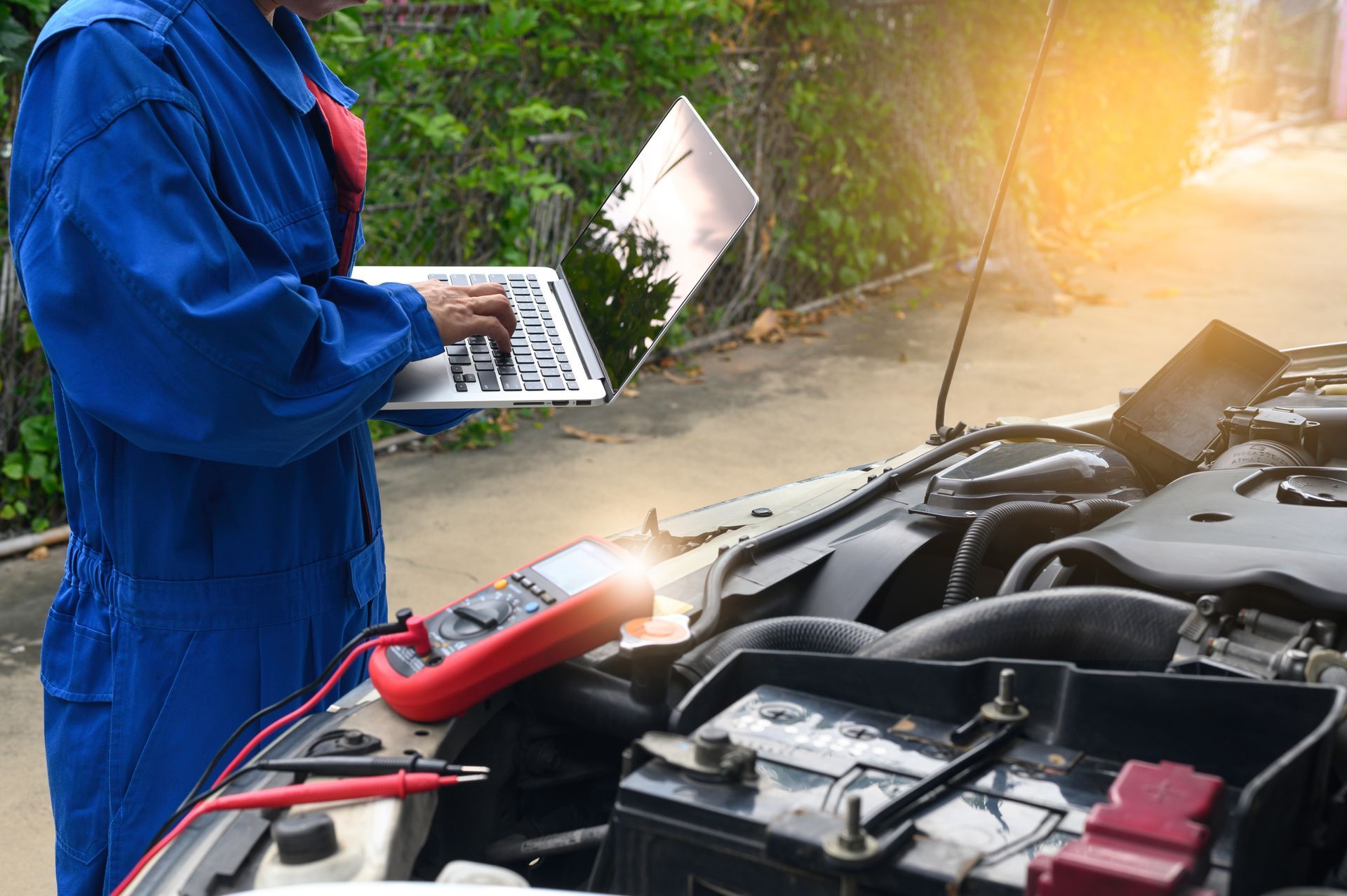
A reliable car usually does not become reliable by accident. It gets there through small services done on time, small changes noticed early, and problems handled before they interrupt your week.
That sounds simple, but it's easy to skip.
When a vehicle feels fine, maintenance can feel optional. The engine starts, the brakes work, and the dashboard is quiet. Still, fluids age, filters clog, tires wear, and batteries weaken whether the car is complaining or not. Preventive car maintenance helps catch those changes while they are still easier to manage.
Preventive Maintenance Gives You A Baseline
A baseline is a clear picture of your vehicle’s current condition. That includes fluid levels, tire wear, brake condition, battery health, belt condition, hose condition, leaks, filters, and service history.
Without that baseline, every repair feels like a surprise. With it, you can see what is urgent, what can wait, and what should be checked again later.
This is especially helpful if you bought a used vehicle or are not sure what previous owners had serviced. A car may look clean and drive well, but old coolant, worn brake pads, cracked belts, or uneven tire wear can still be hiding beneath the surface.
Oil Changes Protect The Engine
Oil changes are one of the most important parts of preventive maintenance. Engine oil lubricates moving parts, helps manage heat, carries contaminants to the filter, and protects tight internal passages.
Old oil can thicken, collect fuel residue, and leave deposits behind. Low oil levels increase the risk because the engine may not have enough oil to protect bearings, camshafts, timing parts, and other internal components.
A proper oil change also gives the shop a chance to look for leaks. Oil around the valve cover, oil pan, filter housing, drain plug, or seals can show up during service before the level drops too far.
Tire Care Helps The Whole Car Drive Better
Tires affect more than tread life. They influence steering, braking, ride comfort, traction, fuel economy, and suspension wear. When tire care gets ignored, the car can start pulling, shaking, humming, or wearing tires unevenly.
Basic tire maintenance may include:
- Checking tire pressure when the tires are cold
- Rotating tires on the correct schedule
- Looking for cracks, bulges, punctures, and edge wear
- Checking alignment to see if the vehicle pulls or the steering wheel sits crooked
- Inspecting tread depth across the full tire, not only the outer edge
Tires often show early clues about other problems. Cupped tread can point to weak shocks or struts. Inside-edge wear can point to alignment or suspension concerns. Replacing tires without fixing the cause can damage the next set, too.
Brake Checks Should Happen Before Grinding
Brake pads are designed to wear, but they should be replaced before the metal backing contacts the rotor. Waiting for grinding usually makes the repair more expensive.
A brake check should look at pads, rotors, calipers, hoses, hardware, and brake fluid. Pad thickness is only part of the picture. A sticking caliper, dry slide pin, or collapsed hose can wear one pad faster than the others and create heat at one wheel.
Squealing, grinding, vibration, pulling, a soft pedal, or a hot smell near a wheel should not be ignored. The better plan is to check the brakes during regular maintenance so you can plan the repair before the warning signs get louder.
Fluids Keep Major Systems Protected
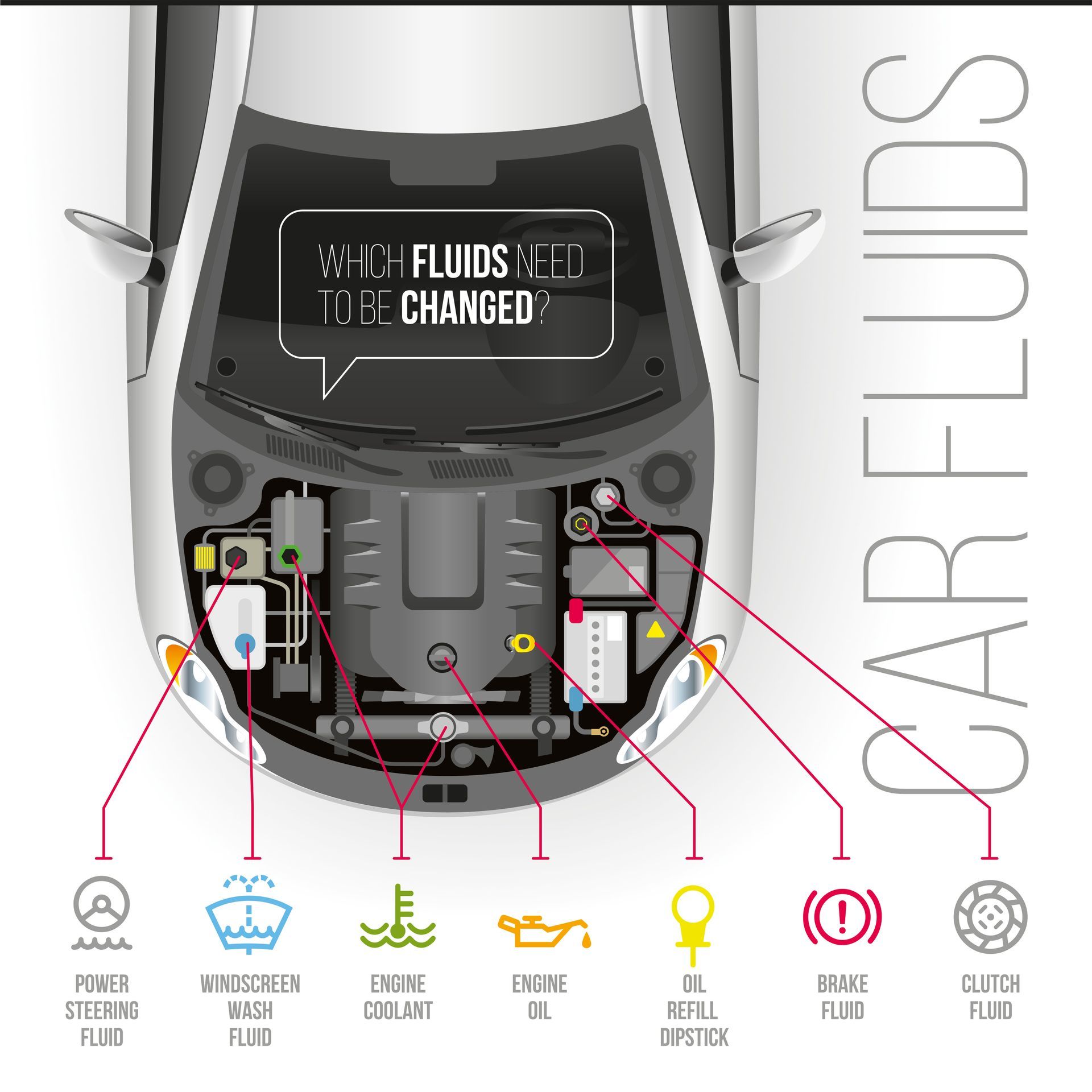
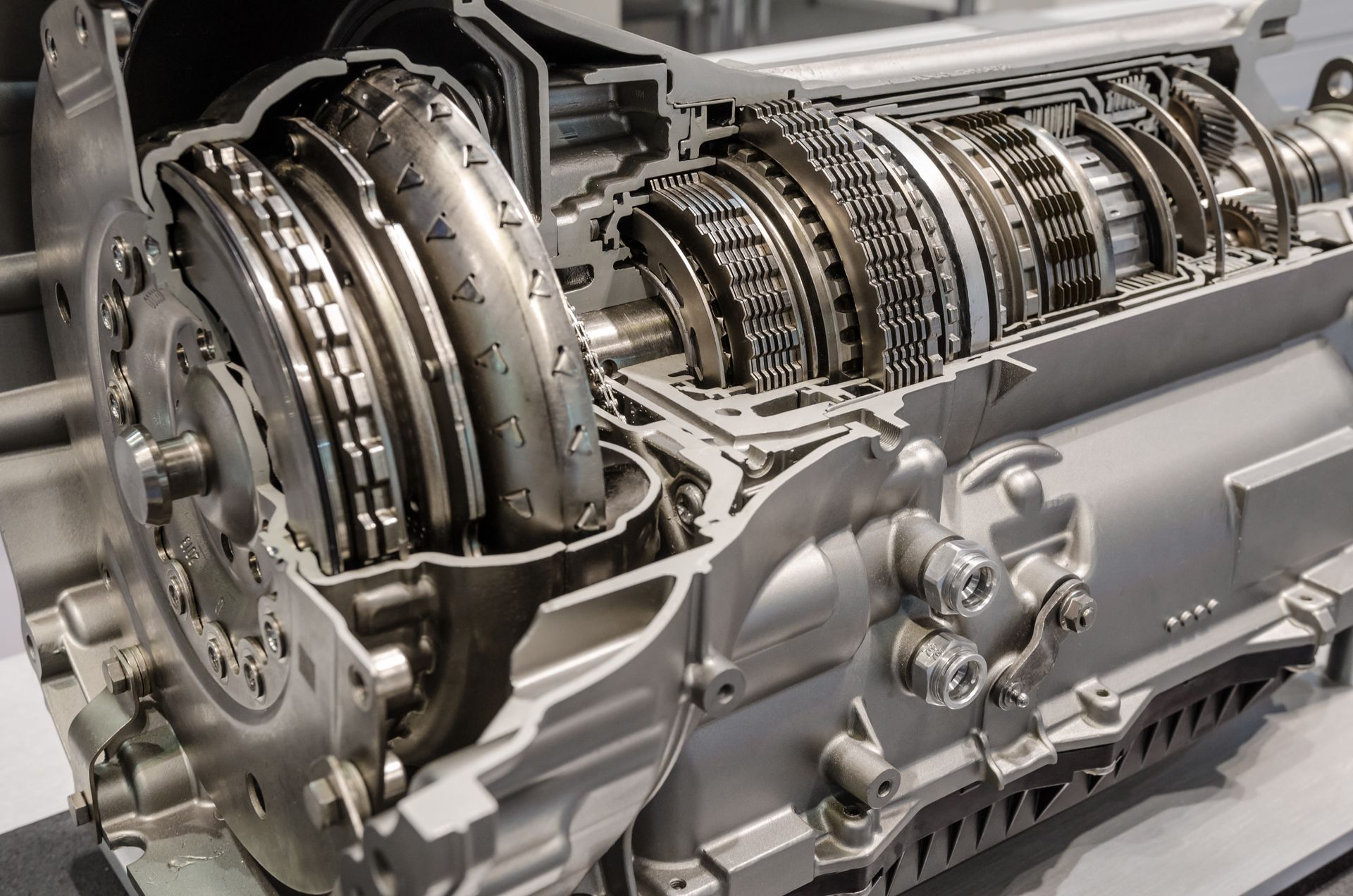
Your vehicle depends on more than engine oil. Coolant helps control heat. Brake fluid transfers pedal pressure. Transmission fluid helps with shifting and heat control. Power steering fluid on equipped vehicles supports steering assist. Differential and transfer case fluids protect gears on certain vehicles.
Fluids age even when the vehicle still feels fine. Coolant can lose corrosion protection. Brake fluid can absorb moisture. Transmission fluid can darken or smell burnt if it has been overheated.
Low fluid usually has a reason. It may be a leak, a worn part, overdue service, or another issue that needs attention. Topping off fluid without finding out why it dropped can hide a problem until it gets worse.
Batteries, Belts, And Filters Are Easy To Forget
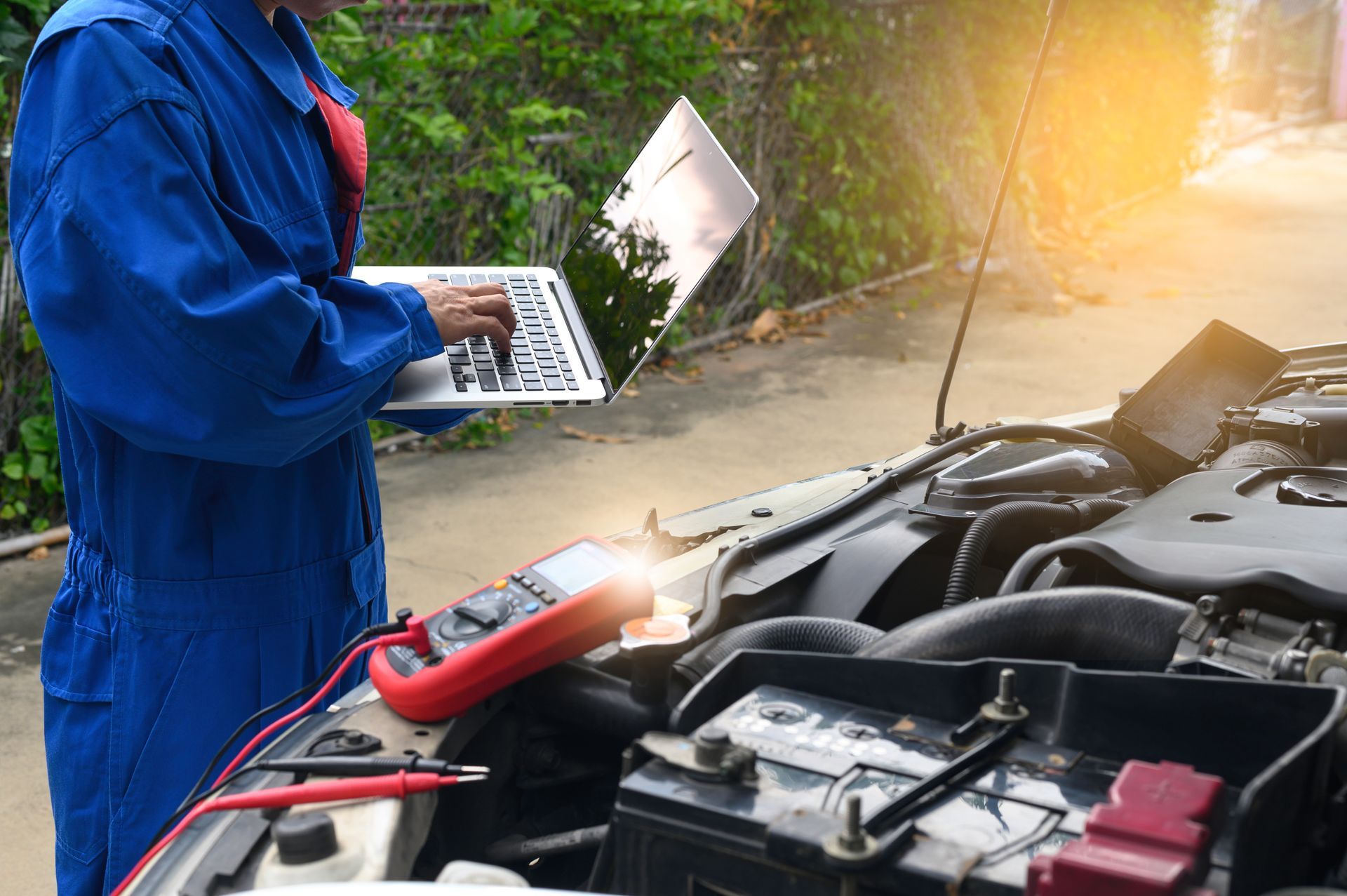
A weak battery often gives small clues before it fails. Slow cranking, dim lights during startup, or needing a jump more than once all deserve attention. Battery testing during maintenance can catch a weak battery before it leaves you stuck.
Belts and hoses also age from heat, pressure, and time. A cracked belt, soft hose, swollen hose, or coolant seep can turn into a breakdown if it goes unchecked.
Filters play a quieter role. A dirty engine air filter can affect performance and fuel economy. A clogged cabin air filter can make the A/C feel weak and reduce airflow through the vents. These are small parts, but they affect the way the car feels every day.
Warning Lights Are Easier To Handle Early
A warning light does not always mean the vehicle is about to stop running. That is why many drivers keep driving when the car still feels normal. The problem is that the vehicle stored that warning for a reason.
A check engine light, battery light, brake warning, ABS light, oil warning, or temperature warning should be checked before it becomes a background issue. Clearing codes without testing can erase useful information and delay the real repair.
Preventive maintenance helps because it gives the technician context. Service records, fluid condition, battery test results, and previous inspection notes can improve the accuracy of warning light diagnostics.
Get Preventive Car Maintenance In Denver, CO, With Importsports
If your vehicle is due for service, showing warning lights, wearing tires unevenly, leaking fluids, or starting to feel different, Importsports in Denver, CO, can inspect the key systems and help you stay ahead of repair needs.