Colorado's vehicle inspection requirements can be confusing, especially for new residents or those purchasing vehicles from out of state. For Denver residents and those in surrounding counties, understanding what inspections are required and when they're needed is essential to avoid fines and ensure your vehicle remains legally registered.
Let's break down Colorado's current vehicle inspection requirements and what they mean for you.
Current Colorado Vehicle Inspection Requirements
Colorado has specific requirements for both emissions testing and safety inspections. Here's what you need to know about the current situation:
Safety Inspections
Unlike some states, Colorado does not require periodic safety inspections for most passenger vehicles. However, there are important exceptions:
- Vehicles being registered in Colorado for the first time from out of state need a VIN verification
- Vehicles with salvage or rebuilt titles require safety inspections before receiving a rebuilt title
- Commercial vehicles may require safety inspections depending on their classification
- Vehicles that have been significantly modified may require special inspections
Emissions Testing
Emissions testing is a critical part of Colorado's efforts to maintain air quality, particularly in the Denver metro area, which is designated as a "non-attainment area" for certain air quality standards. Emissions testing is required in several Colorado counties:
- Denver County: Required for all gasoline and diesel vehicles
- Adams County: Required for all gasoline and diesel vehicles
- Arapahoe County: Required for all gasoline and diesel vehicles
- Boulder County: Required for all gasoline and diesel vehicles
- Broomfield County: Required for all gasoline and diesel vehicles
- Douglas County: Required for all gasoline and diesel vehicles
- Jefferson County: Required for all gasoline and diesel vehicles
- Larimer County: Required in specific areas
- Weld County: Required in specific areas
For most counties, vehicles need testing based on the following schedule:
- Model year 1982-2018: Every two years
- Model year 2019 and newer: Every four years (until they reach their eighth model year, then every two years)
- Diesel vehicles over 14,000 lbs GVWR: Annual testing
Emissions Testing Exceptions and Exemptions
Not all vehicles need emissions testing, even in counties where it's generally required:
- New vehicles: Vehicles less than seven model years old are exempt
- Electric vehicles: Fully electric vehicles don't require emissions testing
- Hybrid vehicles: Still require emissions testing, but often have higher pass rates
- Collector vehicles: Vehicles with collector plates that meet certain criteria may be exempt
- Farm vehicles: Agricultural-use vehicles may be exempt with proper registration
- Motorcycles: Motorcycles are exempt from emissions testing
When Emissions Tests Are Required in Denver
For Denver residents, emissions testing follows specific patterns:
- Vehicles model year 1982-2018: Every two years
- Vehicles model year 2019 and newer: Every four years initially, then every two years after the eighth model year
- Diesel vehicles over 14,000 lbs GVWR: Annual testing
- New residents: Must test within 12 months of registration in Colorado
This schedule helps distribute testing throughout the year and ensures that vehicles maintain proper emissions control equipment.
Where to Get Emissions Testing in Denver
The Denver metro area offers numerous Air Care Colorado testing stations, which are the only authorized emissions testing facilities in the area. However, for emissions-related repairs, diagnostics, and pre-test inspections, Importsports Auto Repair Pros & Performance is your trusted partner.
The official emissions test typically takes 15-20 minutes and costs between $15-$25 for gasoline vehicles and around $25-$35 for diesel vehicles.
What Happens During an Emissions Test
The emissions testing process varies depending on your vehicle's age and type:
For 1996 and newer vehicles:
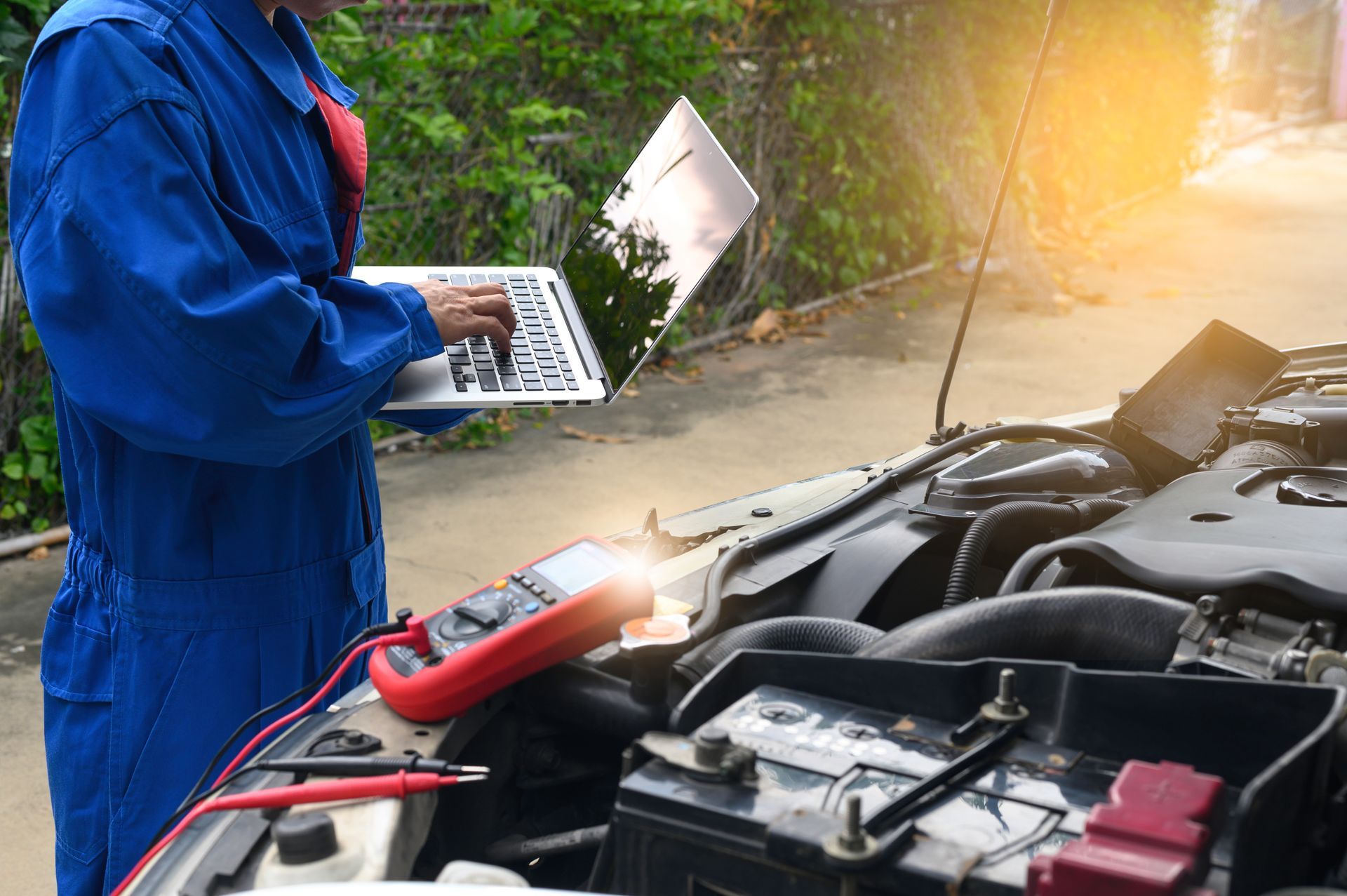
- A technician connects to your vehicle's OBD-II (On-Board Diagnostics) port
- The system checks for proper operation of emissions equipment
- It verifies no emissions-related trouble codes are present
- The test confirms all emissions monitors have completed their self-checks
For older vehicles (1982-1995):
- A tailpipe test is performed to measure actual emissions
- Inspectors check for tampering with emissions equipment
- Visual inspection of emissions components is conducted
For diesel vehicles:
- An opacity test measures exhaust smoke
- Visual inspection for tampering or modifications
- Check for excessive smoke or emissions
What If Your Vehicle Fails?
If your vehicle doesn't pass its emissions test:
- You'll receive a detailed report explaining why the vehicle failed
- You'll need to make necessary repairs to the emissions system
- After repairs, you can retest (one free retest is allowed within 10 days at Air Care Colorado)
- If repair costs exceed the waiver threshold (currently $715 for 1982 and newer vehicles), you may qualify for a waiver after documenting repair attempts
Colorado offers assistance programs for qualifying low-income residents who need help meeting emissions standards, including the AIR Care Colorado repair assistance program.
Special Considerations for European and Import Vehicles
As specialists in European vehicle repair, Importsports understands that imports often have more sophisticated emissions systems that require expert knowledge to diagnose and repair. Common emissions issues in European vehicles include:
- Oxygen sensor failures
- Catalytic converter efficiency problems
- EVAP system leaks
- Complex check engine light issues
Our ASE Certified technicians have factory diagnostic software and specialized equipment to properly diagnose these systems and make the repairs needed to pass emissions testing.
Registration Renewal Process with Emissions Testing
The process for renewing your registration with emissions testing works as follows:
- Get your emissions test before attempting to renew your registration
- Keep your emissions certificate (though results are also reported electronically)
- Complete your registration renewal online, by mail, or in person
- Provide proof of insurance along with your renewal application
- Pay applicable fees for registration and renewal
The emissions test must be completed before you can renew your registration, so plan accordingly.
Planning Ahead for Emissions Testing
To avoid registration delays, consider these tips:
- Check your registration renewal notice for emissions testing requirements
- Schedule your test at least 2-3 weeks before your registration expires
- Have any check engine light issues addressed before testing
- Ensure your vehicle has been driven regularly before the test (driving cycles help ready the emission monitors)
- Make sure your battery is in good condition (disconnected batteries can reset emissions monitors)
- Consider a pre-test inspection at Importsports if you're concerned about passing
Trust Importsports for Emissions-Related Repairs
At Importsports Auto Repair Pros & Performance, we specialize in diagnosing and repairing emissions-related issues for all makes and models. While we don't perform the official emissions tests (those must be done at Air Care Colorado stations), our ASE Certified technicians can:
- Diagnose and repair check engine light issues
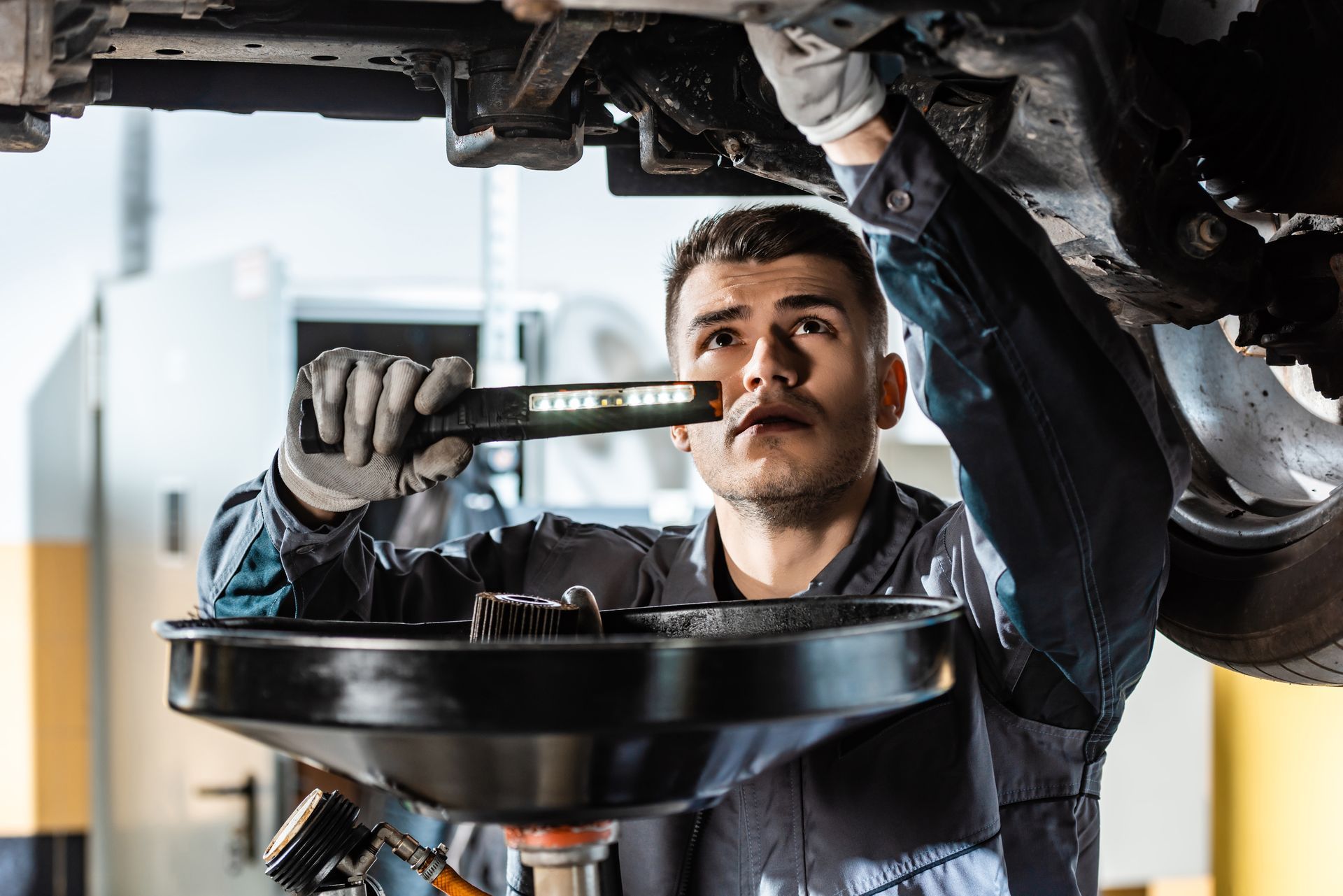
- Perform comprehensive pre-test inspections
- Fix catalytic converter problems
- Repair oxygen sensors and other emissions components
- Address EVAP system leaks
- Reset and prepare emissions monitors for testing
Our expertise with European, Japanese, Korean, and American vehicles makes us uniquely qualified to handle emissions issues on virtually any vehicle. All our repairs are backed by our 36-Month/36k-Mile TechNet Nationwide Warranty.
Whether you need emissions-related repairs or want a pre-test inspection to avoid failing your emissions test, our team is ready to help. Call our Denver location at (303) 752-2422
or visit us at 7667 E Iliff Ave Ste I to schedule your service today. Avoid the stress of failed emissions tests and ensure your vehicle stays legally registered with help from the experts at Importsports Auto Repair Pros & Performance!
Since 1997, we've been helping Denver drivers keep their vehicles running cleanly and efficiently. Trust our experience to help you navigate Colorado's emissions requirements with ease.