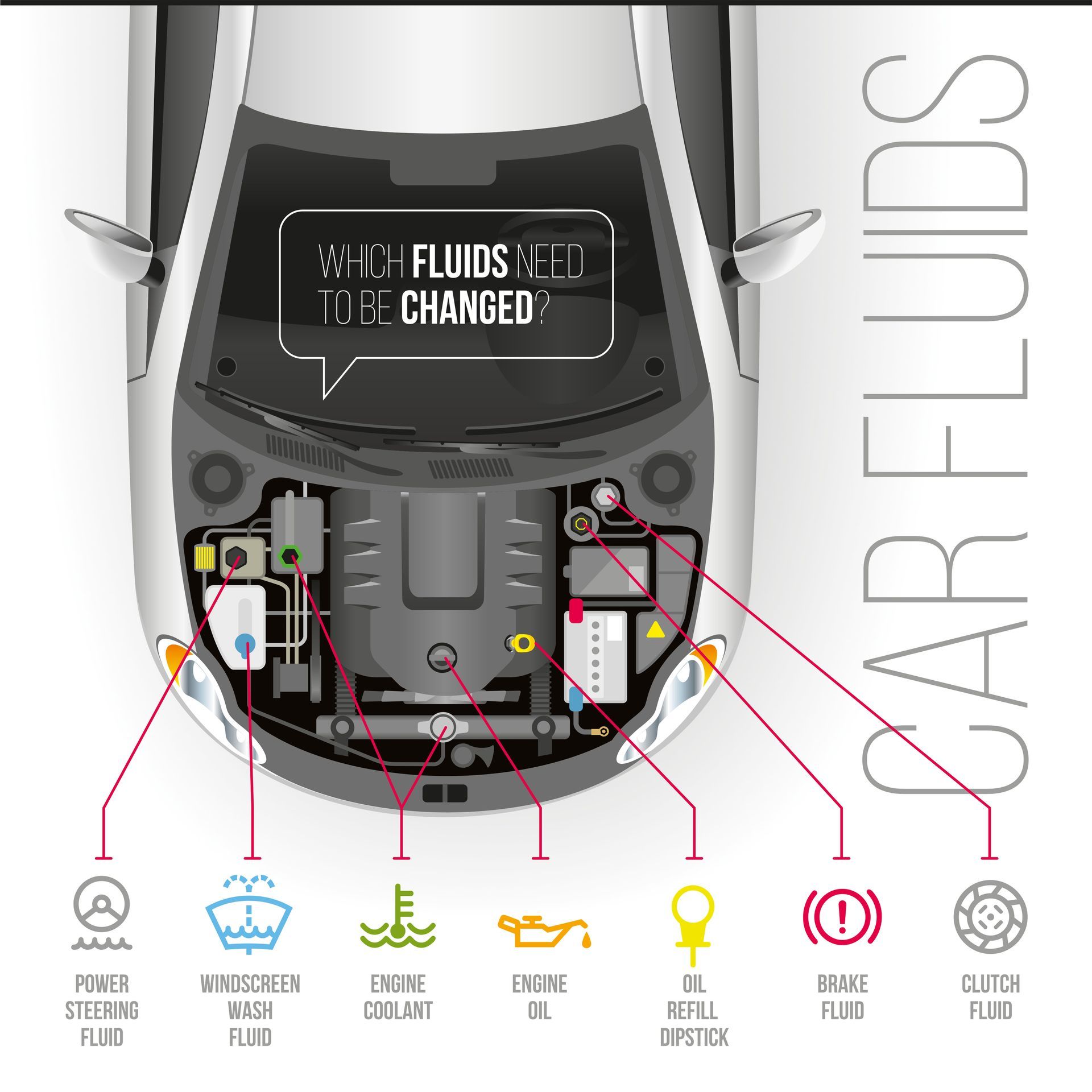
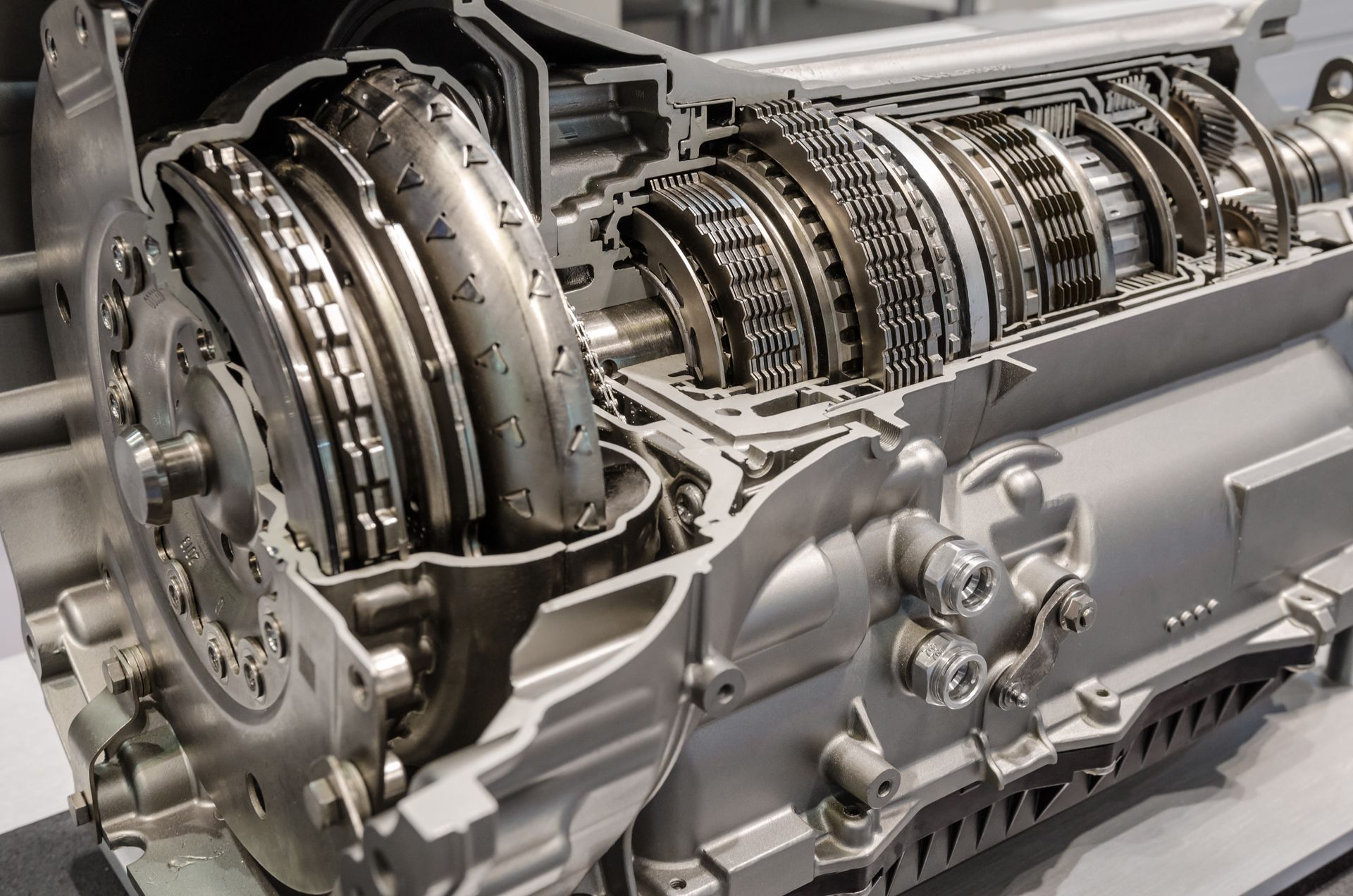
If your European car needs a quart of oil between services, it is worth figuring out where that oil is going. Turbocharged engines naturally run hotter and under higher pressure than many non-turbo engines, but that doesn't mean every amount of oil consumption is normal.
Some engines consume a small amount without showing any other problem. Others begin using more oil because of a failing PCV system, turbocharger wear, piston ring problems, valve stem seals, or an external leak that never leaves a puddle. At our shop, we look at the rate of consumption and the engine's other symptoms before deciding what needs attention.
Turbochargers Put Engine Oil Through Serious Heat
A turbocharger spins at extremely high speed and depends on engine oil to lubricate and cool its internal bearings. That oil travels through one of the hottest areas of the engine compartment every time the turbo is working.
Over time, excessive heat can build deposits inside oil passages and around turbocharger components, especially if you use the wrong oil or stretch service intervals too far. A restricted oil return or worn turbo bearing system can allow oil into the intake or exhaust. You may notice blue smoke, oily intercooler piping, or a faster drop on the dipstick or electronic oil-level display.
A Failing PCV System Can Pull Oil Into the Intake
The positive crankcase ventilation system controls pressure inside the engine and routes crankcase vapors back into the intake. Many European turbocharged engines use fairly complex PCV assemblies with diaphragms, check valves, and oil-separation passages.
When those components fail, crankcase vacuum can become too strong and pull excessive oil vapor into the intake. Other failures create too much pressure and push oil past seals and gaskets. A rough idle, whistling noise, new oil leaks, or excessive suction at the oil cap can appear alongside increased oil use.
Worn Piston Rings Can Let Oil Reach the Combustion Chamber
Piston rings help seal combustion pressure and control the thin layer of oil on the cylinder walls. If the oil-control rings become stuck with deposits or the rings and cylinders wear, more oil can remain in the combustion chamber and burn with the air-fuel mixture.
That does not always create a cloud of blue smoke. A catalytic converter can hide some visible smoke, especially during lighter oil consumption. We look at compression, leak-down results, crankcase pressure, spark plug condition, and oil-use history before deciding whether the problem points toward internal engine wear.
Valve Stem Seals Can Cause Oil Burning After Sitting
Valve stem seals help keep engine oil from running down the valve guides into the combustion chambers. As those seals harden with age and heat, oil can seep past them while the engine is shut off or during periods of high intake vacuum.
One clue is blue smoke for a few seconds after startup, especially after the vehicle has been parked overnight. Another is a puff of smoke after extended idling followed by acceleration. Those patterns can help separate valve seal problems from turbocharger or piston ring issues, although proper testing is still needed before recommending internal engine work.
External Oil Leaks Can Disappear Before They Reach the Ground
An engine can lose a surprising amount of oil without leaving a spot on the driveway. Valve cover gaskets, oil filter housings, vacuum pump seals, turbo oil lines, oil pans, and other sealing points can leak onto hot engine or exhaust components.
The oil can burn off while you drive, leaving a smell or dark residue instead of a puddle. During an inspection, we look around the entire engine rather than assuming disappearing oil must be going through the combustion chambers. Cleaning heavily coated areas can also make it easier to identify the fresh source.
Oil Specification and Service Intervals Make a Difference
European turbocharged engines can be particular about engine oil. Viscosity is only part of the specification. The oil also needs the correct manufacturer approval and additive package for that engine's emissions system, turbocharger, and operating temperature.
Using an unsuitable oil can contribute to deposits, increased consumption, or poor lubrication. Long service intervals can also become harder on an engine that already consumes oil because the level may fall significantly before the next scheduled visit. Regular maintenance should include checking the oil level between changes rather than assuming it will remain full until the service reminder appears.
Track How Much Oil the Engine Is Actually Using
Before deciding consumption is excessive, measure it consistently. Check the level according to the vehicle's procedure, note the mileage when you add oil, and record how much you add.
If the rate suddenly increases, the low-oil warning appears more often, or you see smoke, leaks, fouled spark plugs, or drivability changes, the engine needs a diagnostic. Oil consumption can come from several places at once on a higher-mileage turbocharged engine, so replacing one common failure without checking the rest of the system can leave the original complaint unresolved.
Get European Turbocharged Engine Service In Denver, CO, With Importsports
If your European turbocharged vehicle is using more oil between changes, Importsports in Denver, CO, can check for external leaks, PCV problems, turbocharger oil loss, and signs of internal engine wear.