The first freezing morning exposes things summer driving lets you ignore. The washer spray turns to slush, the engine cranks reluctantly, or you realize the coolant reservoir has been falling since the last service. A seasonal fluid check is more useful before you make those discoveries away from home.
For a conventional gasoline or diesel car, five fluids deserve particular attention. The check is about the correct product, quantity, condition, and service history, not pouring something into every reservoir. Hybrid, electric, and other specialized systems have additional requirements that must follow their own service information.
1. Engine Oil: Check the Level and Correct Specification
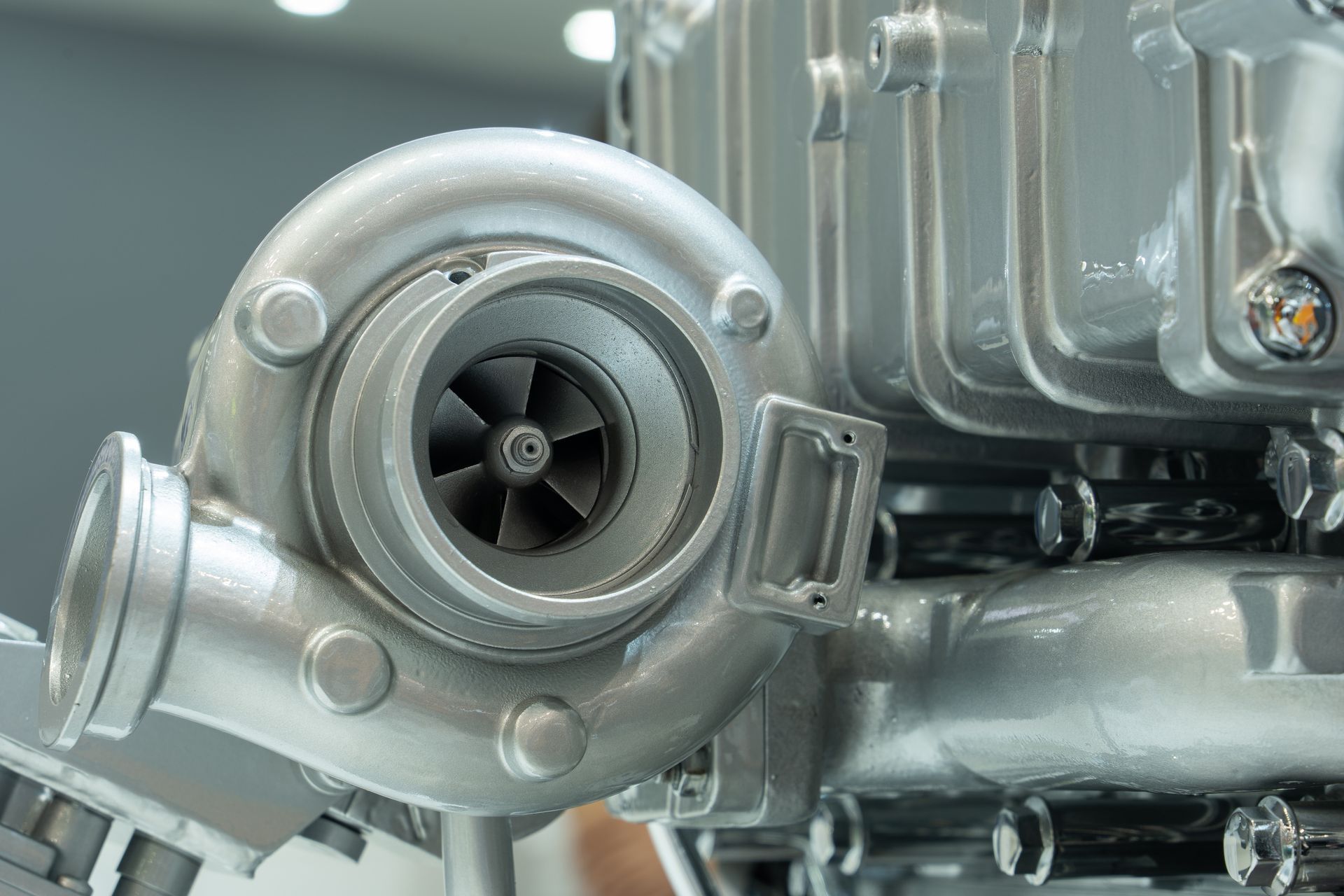
Cold starting puts a premium on oil reaching the engine's lubricated parts correctly. Use the viscosity and specification approved for the engine rather than choosing thicker oil because the vehicle is older or thinner oil because winter is approaching. The required specification covers more than the two numbers printed on the bottle, especially on engines with turbochargers or demanding emissions equipment.
Check the level according to the owner's procedure on level ground, and watch for changes in consumption or new leaks. At our shop, we also review the date of the last change, since a low-mileage car can still reach its time limit. Adding oil doesn't replace an overdue oil change. A pressure warning requires a safe shutdown, even when the level looks correct.
2. Coolant: Measure Protection Rather Than Judge the Color
Coolant must manage engine temperature and provide appropriate freeze and corrosion protection. A full reservoir doesn't establish that the mixture is correct. Repeated top-offs with water, an unsuitable product, or uncertain service history deserve attention before temperatures drop. Color alone can't identify the specification or verify its remaining protective condition.
A suitable tester can evaluate freeze protection, while the service history and vehicle requirements help determine whether replacement is due. At the same visit, check hoses, connections, and dried residue for signs of leakage. Never remove a pressure cap from a hot system. More concentrated antifreeze isn't automatically better, and mixing random coolant types isn't a sound way to prepare for winter. Use the prescribed mixture and follow the correct filling procedure.
3. Brake Fluid: Assess the Hydraulic System Too
Most passenger cars use glycol-based brake fluid that absorbs moisture over time. Its condition still matters in winter, even when daily braking feels normal. The correct service interval and specified fluid are the starting points; appearance is only one observation. A fluid that looks acceptable isn't necessarily up to date.
A falling reservoir level can reflect pad wear or a leak, so topping it off without checking the brakes can hide useful evidence. We compare fluid level with the mechanical condition and any pedal complaint. A soft pedal, visible leak, or loss of braking requires immediate attention, not a seasonal top-up. Use only the specified brake fluid from an appropriate sealed supply; contamination with another automotive fluid can damage the system.
4. Transmission Fluid: Use the Required Level Procedure
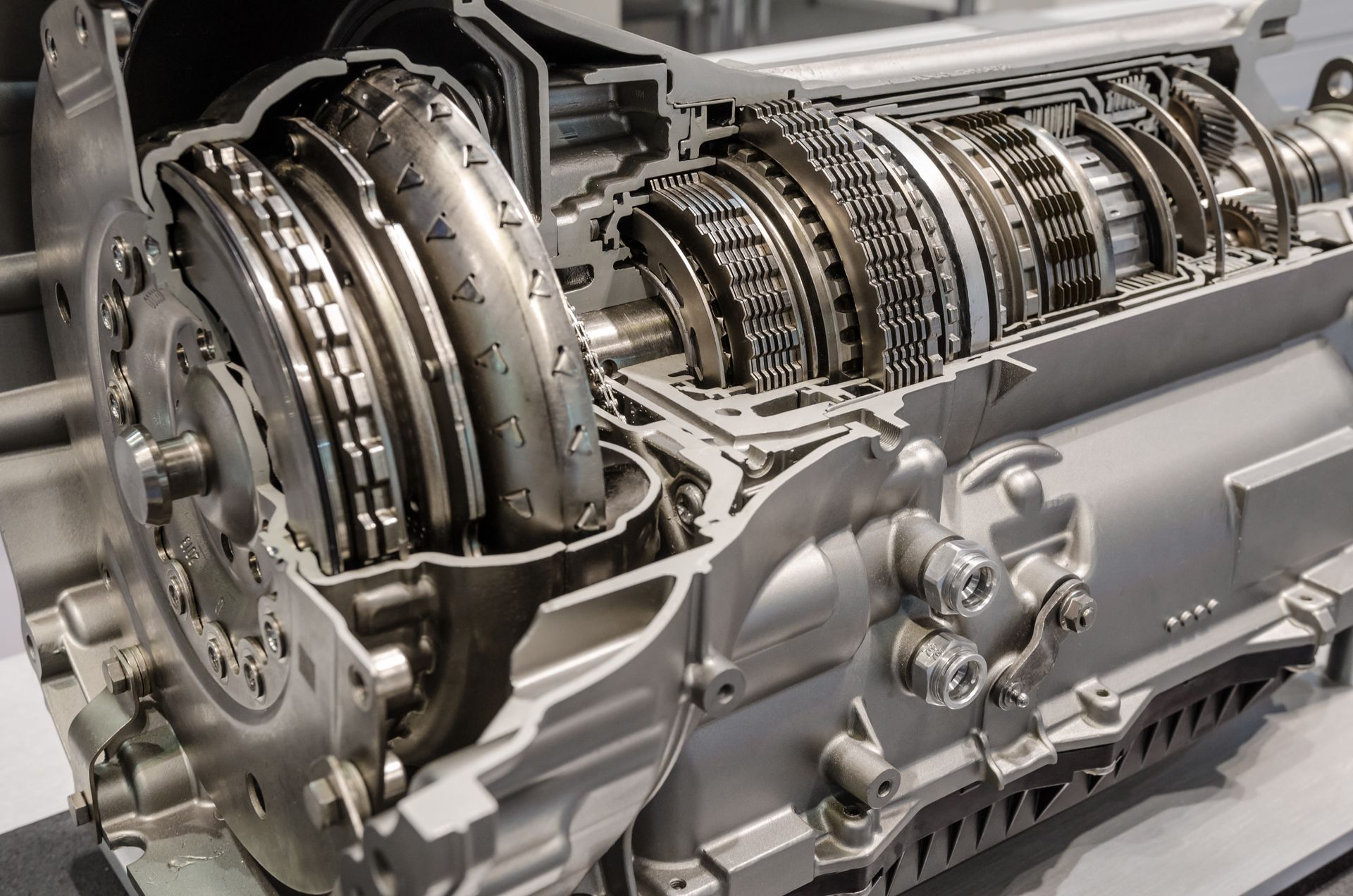
Cold temperatures can make an existing engagement or shifting concern more noticeable. Automatic transmission fluid supports hydraulic operation, lubrication, and heat control, but different transmissions need different products. Conventional automatics, CVTs, and dual-clutch units aren't serviced interchangeably. A product labeled universal shouldn't replace checking the exact requirement.
Some transmissions have a dipstick; others require a temperature-based check using a fill or level opening. Don't remove a random plug or add fluid based on cold shifts alone. A pre-winter inspection can identify leaks, review service history, and establish whether a complaint needs diagnosis before routine service. Fresh fluid can't reverse worn internal parts. Manual transmissions and separate drivetrain units also need the fluid specified for their own design, even though they aren't checked the same way.
5. Washer Fluid: Prepare for Road Spray and Freezing
Washer fluid directly affects visibility when salt, dirt, or slush coats the windshield. A summer mixture can freeze in the reservoir, hoses, or nozzles. Choose a windshield-washer product rated for the expected temperatures and suitable for the vehicle. Plain water and household cleaners aren't dependable substitutes for an appropriate winter product.
Adding a small amount of winter fluid to a nearly full summer mixture doesn't guarantee the advertised freeze protection. Follow the product and vehicle guidance, then confirm the fluid reaches the nozzles and the wipers clear it effectively. Never put engine coolant in the washer reservoir. Include this check in regular maintenance, along with wiper condition, rather than discovering the system won't clear the glass during the first messy drive. If a frozen system doesn't spray, avoid repeatedly running the pump while it is blocked.
Get Pre-Winter Fluid Service In Denver, CO, With Importsports
Importsports in Denver, CO, can review your car's fluid requirements, levels, and service history before winter. Mention any repeated top-offs, changed shifting, or brake-pedal concerns when booking.