Your car runs on more than just gasoline. Hidden under the hood are several vital fluids that keep your vehicle running smoothly, especially in Denver's challenging driving conditions. From our mile-high altitude to extreme temperature swings and mountain driving, Colorado puts unique stress on your car's fluid systems.
Most Denver drivers never think about these fluids until something goes wrong. But checking them regularly can save you from expensive repairs and keep you from getting stranded on I-25 during rush hour or halfway up the mountain to Winter Park.
Engine Oil: Your Car's Lifeblood
Engine oil does more than just lubricate moving parts. It also helps cool your engine and carries away harmful debris. Denver's altitude and temperature extremes make regular oil changes even more critical than in other cities.
Check your oil level monthly using the dipstick. Park on level ground, turn off your engine, and wait at least 10 minutes for the oil to settle. Pull out the dipstick, clean it with a rag, reinsert it fully, then pull it out again to check the level.
The oil should fall between the minimum and maximum marks on the dipstick. If it's below the minimum line, add oil immediately. Dark, thick, or gritty oil needs to be changed regardless of mileage.
Colorado tip: High altitude driving and frequent trips up I-70 to the mountains can break down oil faster than normal city driving. Consider changing your oil more frequently if you regularly drive mountain passes.
Coolant: Protection Against Temperature Extremes
Denver's weather can swing from 80 degrees to freezing in the same week. Your coolant system has to handle these dramatic changes while protecting your engine from overheating and freezing.
Check coolant levels when your engine is completely cool – never when it's hot. Look at the coolant reservoir tank, usually a translucent plastic container near the radiator. The fluid level should be between the minimum and maximum marks.
Good coolant should be bright green, orange, or pink depending on your car's type. If it looks rusty, cloudy, or has floating particles, it needs to be replaced. Old coolant can't protect your engine properly during those surprise spring snowstorms or blazing summer days at Red Rocks.
Brake Fluid: Critical for Mountain Driving
Colorado drivers put their brakes through more stress than most. Steep descents from places like Loveland Pass and Georgetown can overheat brake systems and break down brake fluid faster.
Locate your brake fluid reservoir – it's usually a small, clear container near the back of the engine compartment. The fluid should be clear to light amber in color and fill the reservoir to the maximum line.
Dark brown or black brake fluid indicates contamination and needs immediate replacement. Moisture in brake fluid can cause dangerous brake failure, especially during mountain driving when you need your brakes most.
Transmission Fluid: Smooth Shifting Power
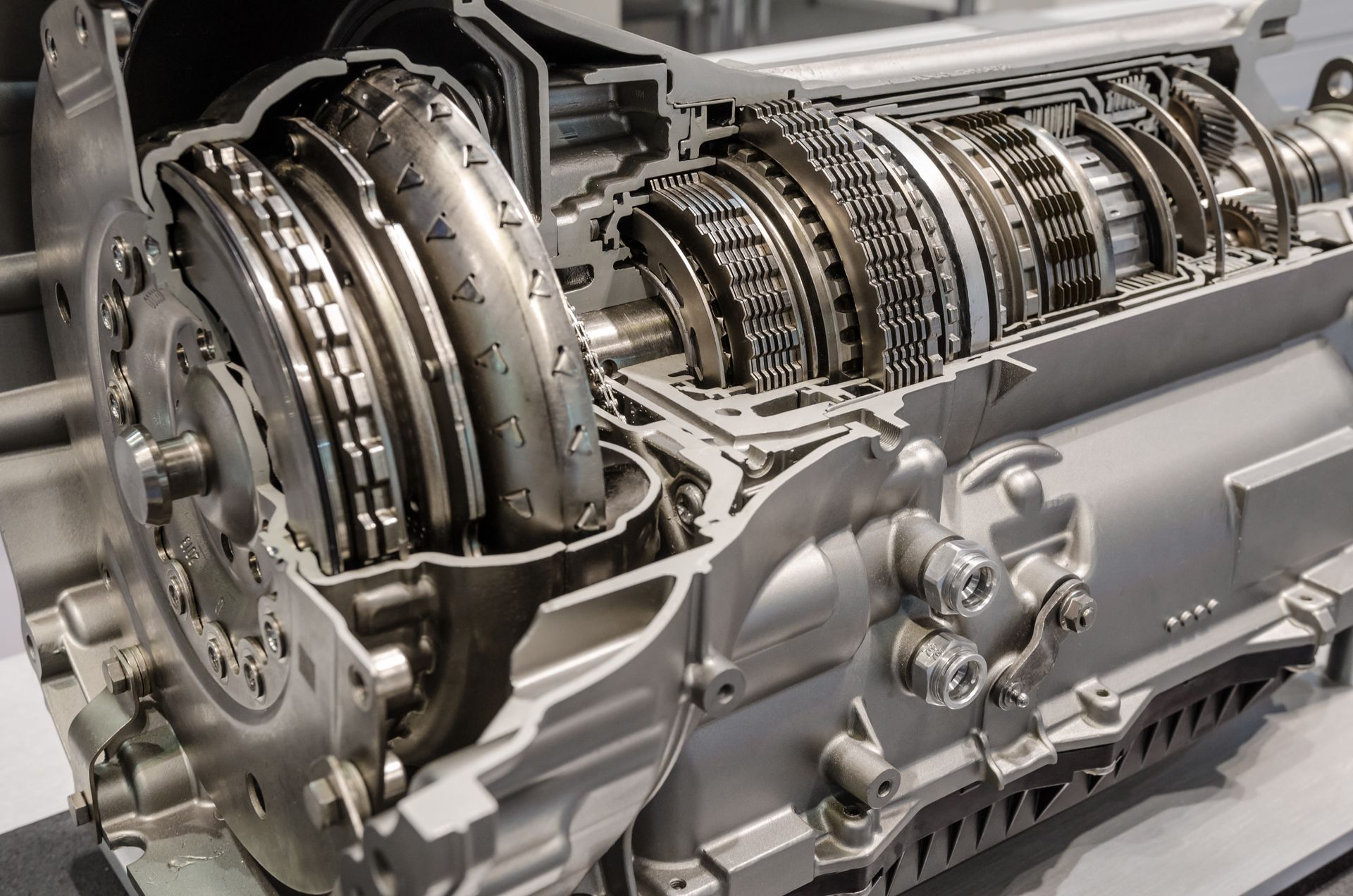
Your transmission fluid keeps gears shifting smoothly and prevents expensive transmission damage. This is especially important in Denver traffic, where stop-and-go driving on routes like Federal Boulevard can put extra strain on your transmission.
Check transmission fluid with your engine running and warmed up. Many cars have a transmission dipstick similar to the oil dipstick. The fluid should be bright red and smell slightly sweet. Dark, burnt-smelling fluid or a low level indicates problems.
Some newer vehicles don't have a dipstick you can access yourself. These require professional checking at a shop like those found throughout the Denver metro area.
Power Steering Fluid: Easy Turns at Any Altitude
Power steering makes turning your wheel effortless, whether you're parallel parking in LoDo or making tight turns on mountain switchbacks. Low power steering fluid can make steering difficult and damage expensive components.
Find the power steering reservoir – it's usually a small tank with a cap labeled "Power Steering" or showing a steering wheel symbol. The fluid should be clear to light amber and fill to the maximum line.
If you hear squealing when you turn the wheel or if steering feels stiff, check your power steering fluid level immediately.
Windshield Washer Fluid: Clear Vision in All Conditions
Colorado drivers face unique visibility challenges. From spring pollen and summer dust to winter road salt and mountain mud, your windshield takes a beating. Having adequate washer fluid isn't just convenient – it's a safety necessity.
Check the washer fluid reservoir – usually the largest fluid container under the hood with a blue cap. Keep it full, especially during winter months when you'll use it more frequently.
Important for Colorado drivers: Switch to winter-grade washer fluid by October. Regular fluid freezes solid during those surprise snowstorms that can hit Denver as early as September.
When to Check These Fluids
Make fluid checks part of your monthly routine, ideally when you fill up with gas. It only takes a few minutes but can prevent major problems down the road.
Check more frequently if you:
- Drive frequently in mountain areas
- Commute long distances on highways like I-76 or I-25
- Notice any unusual smells, sounds, or handling issues
- Live in areas with extreme temperature changes
Warning Signs to Watch For
Certain symptoms indicate immediate fluid problems:
- Steam from the engine usually means coolant problems
- Puddles under your parked car indicate leaks that need attention
- Unusual colors or smells from fluids suggest contamination
- Difficulty steering or braking can signal low fluid levels
- Rough shifting or slipping may indicate transmission fluid issues
Don't ignore these warning signs. What starts as a small fluid leak can quickly become an expensive repair if left unchecked.
Professional Fluid Services
While checking fluid levels is something most drivers can learn to do, fluid changes and system repairs require professional expertise. Modern vehicles use specific fluid types, and mixing the wrong fluids can cause serious damage.
Professional shops also have the equipment to properly dispose of old fluids, which is important for environmental protection in Colorado's pristine mountain environment.
Keep Your Car's Fluids in Perfect Balance
Regular fluid checks are one of the simplest ways to protect your automotive investment and avoid roadside breakdowns. In Denver's challenging driving environment, these checks become even more critical for safe, reliable transportation.
At ImportSports Performance, our ASE Certified technicians provide complete fluid services for all makes and models. Since 1997, we've helped Denver drivers maintain their vehicles through Colorado's demanding conditions, from daily commutes to weekend mountain adventures.
Need professional fluid service or have questions about your car's fluids? Call ImportSports Performance at (303) 752-2422
to schedule a comprehensive fluid inspection. Our team will check all your vital fluids, identify any issues, and ensure your vehicle is ready for whatever Colorado roads throw at you. Don't wait for a breakdown – keep your car running smoothly with proper fluid maintenance.