When October hits Denver and you wake up to frost on your windshield, you reach for that heater dial expecting instant warmth. But what happens when you turn it on and get nothing but cold air? A broken heating system isn't just uncomfortable in Colorado – it can be downright dangerous.
Colorado drivers depend on their car's heating system for more than just comfort. From defrosting icy windshields on those early morning commutes down C-470 to staying warm during unexpected mountain weather delays, your heater is a critical safety system. Knowing the warning signs of heating problems can save you from getting stuck in a dangerous situation.
Sign #1: Cold Air When You Expect Heat
The most obvious sign of heating trouble is when your car blows cold air instead of warm air, even after the engine has warmed up completely. This problem often shows up gradually – your heater might work fine for short trips around Cherry Creek but fail during longer drives to Boulder or Fort Collins.
What causes this problem: Low coolant levels are the most common culprit. Your car's heating system uses hot coolant from the engine to warm the air. If coolant levels are low due to leaks or evaporation, there isn't enough hot fluid to heat your cabin air effectively.
A stuck thermostat can also cause this issue. The thermostat controls coolant flow through your engine and heating system. When it sticks in the open position, coolant doesn't get hot enough to warm your cabin air properly.
Why it's dangerous in Colorado: Driving without heat during a sudden snowstorm on I-70 can lead to hypothermia if you get stranded. More immediately, cold windows fog up quickly, making it impossible to see clearly while driving.
Sign #2: Strange Smells Coming from Your Vents
Unusual odors from your heating system are red flags that shouldn't be ignored. Different smells indicate different problems, but none of them are normal.
Sweet, syrupy smell: This usually indicates a coolant leak inside your heating system. Coolant has a distinctive sweet smell that becomes noticeable when it leaks into the cabin air system. This smell might be strongest when you first start your car on cold Denver mornings.
Musty or moldy smell: This suggests moisture buildup in your air conditioning system, which shares components with your heater. Colorado's dry air makes this less common than in humid climates, but it still happens, especially if you've driven through heavy rain or snow.
Burning smell: This could indicate electrical problems with your heater blower motor or other components. It might also mean debris has gotten into your heating system and is burning when the system runs.
Colorado consideration: At Denver's altitude, even small leaks can worsen quickly due to lower air pressure. What starts as a minor coolant leak can become a major problem faster than at sea level.
Sign #3: Weak Airflow from Your Vents
When you turn your heater to high and barely feel any air coming out, you've got an airflow problem. This issue often gets worse gradually, so you might not notice it until you really need strong heat during a cold snap.
Common causes include:
- Clogged cabin air filter: This is especially common in Colorado due to our wildfire seasons and dust storms. A dirty filter restricts airflow and makes your heater work harder.
- Failing blower motor: The blower motor pushes air through your heating system. When it starts to fail, you'll notice reduced airflow before it stops working completely.
- Blocked vents or ducts: Debris, leaves, or even small animals can block air ducts, reducing airflow to your cabin.
Mountain driving impact: When you're climbing passes like Eisenhower Tunnel or heading to Keystone, you need maximum defroster power to keep your windshield clear. Weak airflow can't clear fogged windows effectively, creating dangerous visibility problems.
Sign #4: Your Engine Temperature Runs Too Hot or Too Cold
Your car's heating system and cooling system work together. Problems with one often affect the other. Pay attention to your temperature gauge – it should sit in the middle range during normal driving.
Engine running too hot: This often indicates coolant system problems that will also affect your heater. Low coolant, a failing water pump, or a clogged radiator can cause overheating. You might notice your heater working intermittently or not at all.
Engine running too cold: A thermostat stuck in the open position keeps your engine from reaching proper operating temperature. Your engine will take much longer to warm up, and your heater might never get truly hot.
Colorado-specific concerns: Temperature extremes are more dramatic in Colorado. Your engine needs to warm up properly to handle everything from sub-zero mornings in Steamboat Springs to hot summer days in Grand Junction. A faulty cooling system puts extra stress on your engine in these conditions.
Sign #5: Windows That Won't Defrost Properly
Your defroster is part of your heating system, and it's crucial for safe winter driving in Colorado. If your windows take forever to clear or stay fogged up despite running the defroster, you have a heating system problem.
Defrost problems can indicate:
- Low coolant levels affecting heat output
- Faulty blend doors that don't direct hot air to your windshield
- Clogged heater core that can't produce enough heat
- Broken defroster vents or controls
Real-world Colorado scenario: Picture this – you're leaving your house in Highlands Ranch on a frosty morning, running late for a meeting downtown. Your defroster barely works, leaving you with limited visibility as you merge onto I-25. This isn't just inconvenient; it's genuinely dangerous for you and other drivers.
Don't Wait for Complete Failure
Heating system problems rarely fix themselves. What starts as slightly cool air or weak airflow usually gets worse over time. The longer you wait, the more expensive repairs become.
Early attention prevents:
- Complete heater failure during the coldest part of winter
- Engine overheating problems that can cause expensive damage
- Dangerous driving conditions due to poor visibility
- Emergency roadside service calls during bad weather
Get help before winter hits hard: Fall is the perfect time to address heating system issues. Professional shops are less busy before the winter rush, and you'll have time to address problems before you desperately need your heater.
Professional Diagnosis Makes the Difference
Modern heating systems are complex, with electronic controls, multiple sensors, and integrated components. What seems like a simple heating problem might actually involve your cooling system, electrical system, or computer controls.
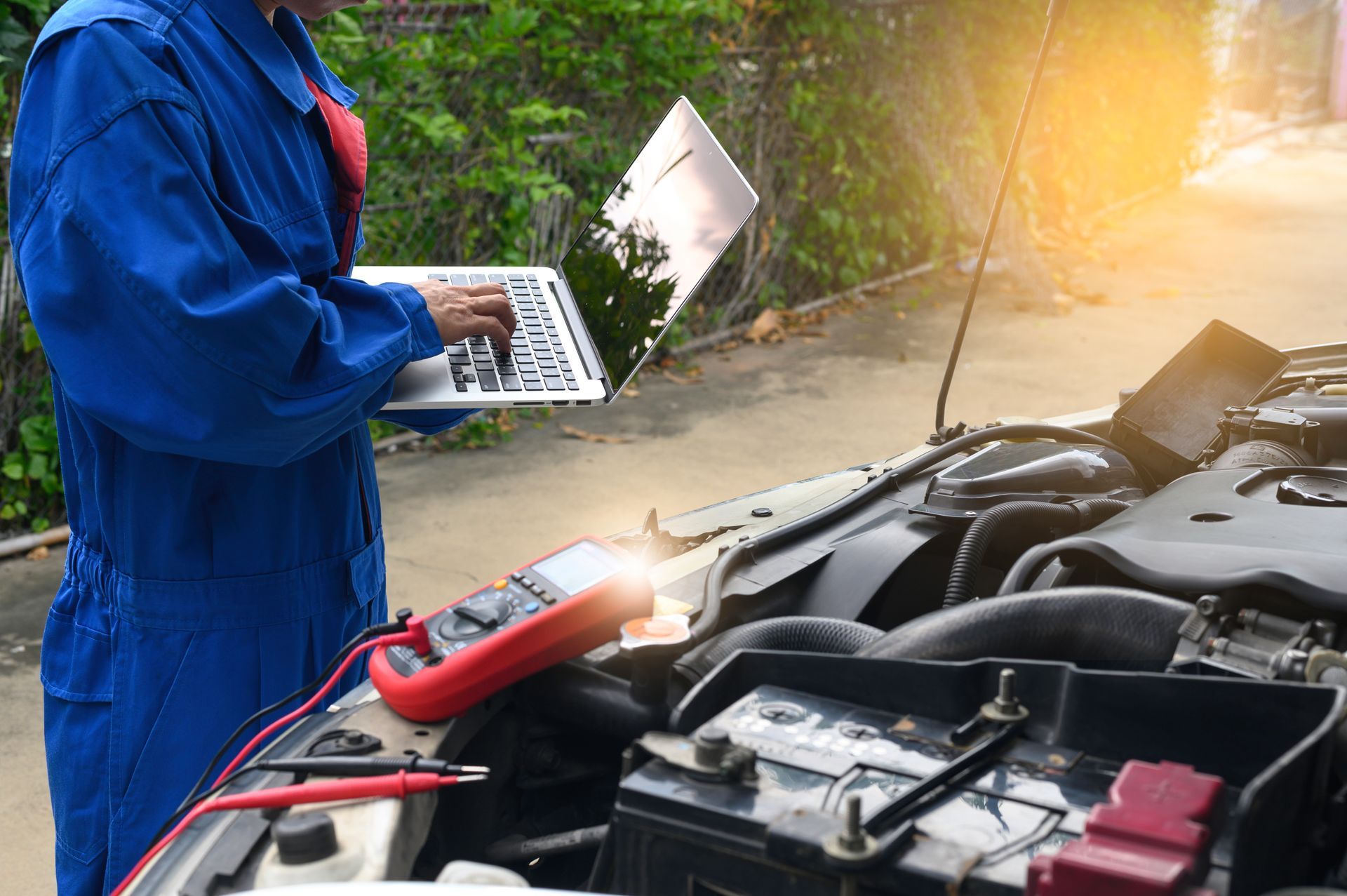
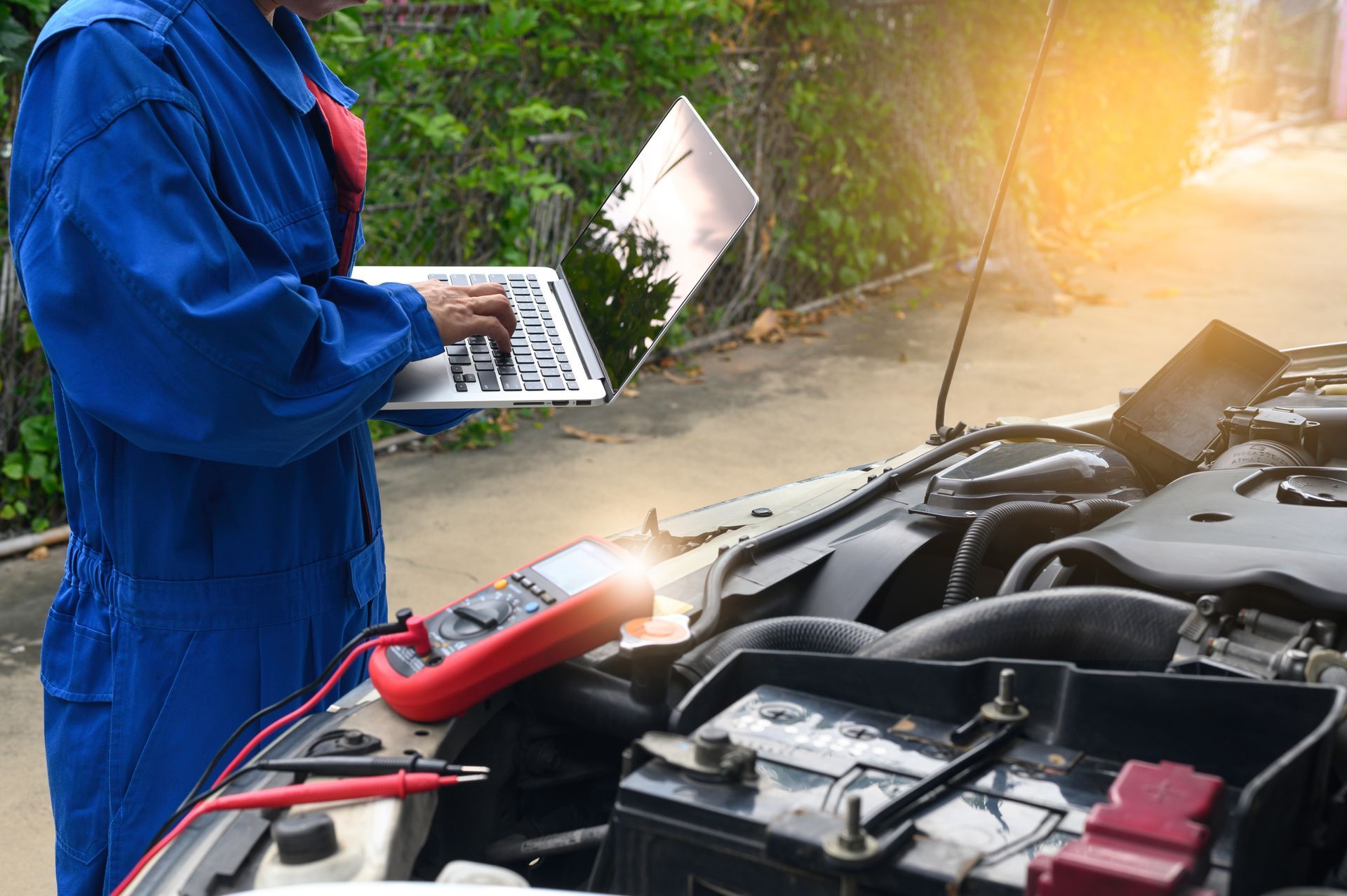
Professional technicians have the diagnostic equipment to pinpoint exact problems quickly. They can also spot related issues that might cause future problems, saving you from multiple repair visits.
Keep Your Heating System Ready for Colorado Weather
Don't let a failing heating system leave you cold during Colorado's unpredictable weather. Whether you're commuting through Denver traffic or heading up to the mountains for weekend adventures, a reliable heating system is essential for comfort and safety.
At ImportSports Performance, our ASE Certified technicians specialize in heating system diagnosis and repair for all makes and models. Since 1997, we've helped Denver drivers stay warm and safe through Colorado's challenging winters, from mild fall days to brutal mountain storms.
Experiencing heating system problems or want to ensure your heater is ready for winter? Call ImportSports Performance at (303) 752-2422
to schedule a comprehensive heating system inspection. Our team will test your heater, check coolant levels, inspect related components, and ensure your car keeps you warm and safe all winter long. Don't wait for cold weather to discover heating problems – get your system checked today.