Owning a Porsche in Denver isn't just about driving—it's about possessing a piece of automotive art that demands respect, understanding, and meticulous care. Whether you're navigating city streets or carving through mountain passes, your Porsche represents a significant investment that can provide decades of driving pleasure when properly maintained. But keeping a Porsche running perfectly requires more than basic automotive knowledge. It demands understanding the secrets that separate Porsche ownership from merely driving any luxury car.
Understanding Your Porsche Investment
Porsche vehicles hold their value better than almost any other luxury brand, but only when maintained according to strict standards. A well-maintained Porsche can retain 60-70% of its value after five years, while a neglected one might lose 50% or more. In Denver's unique environment, proper maintenance becomes even more critical for preserving both performance and value.
The key is understanding that Porsche engineers every component to work in harmony. Unlike mass-market vehicles where "good enough" often suffices, Porsche demands precision at every level. This philosophy extends from engine tolerances measured in thousandths of an inch to specific procedures that must be followed exactly.
Secret #1: Oil is the Lifeblood—But Not Just Any Oil
Most Denver drivers know oil changes are important, but Porsche owners need to understand that oil selection can make or break their engine.
The Porsche Oil Standard Porsche specifies exact oil grades for each engine, and these aren't suggestions. Using the wrong oil—even premium synthetic—can damage variable valve timing systems, reduce performance, and void warranties. For example, many Porsche engines require 0W-40 oil that meets Porsche A40 specifications, not generic synthetics.
Denver's Oil Challenges Colorado's extreme temperature swings put extra stress on engine oil. Your Porsche might start at -10°F in the morning and reach operating temperatures above 200°F by afternoon. Only oils that meet Porsche's exact specifications can handle these extremes while protecting precise engine components.
Oil Change Intervals While Porsche recommends oil changes every 10,000-12,000 miles, Denver's conditions often require more frequent service. Dusty air, temperature extremes, and mountain driving can break down oil faster. Many Porsche specialists recommend 7,500-mile intervals for Denver-driven vehicles.
Secret #2: The IMS Bearing—Porsche's Best-Kept Maintenance Secret
For 996 and 997 generation 911s (1999-2008), the Intermediate Shaft (IMS) bearing represents both a vulnerability and an opportunity for proactive maintenance.
Understanding the Risk The IMS bearing supports the intermediate shaft that drives the camshafts. When this bearing fails, it can cause catastrophic engine damage costing $20,000-30,000 to repair. The bearing is more likely to fail in cars driven infrequently or under light loads—exactly how many Denver Porsches are driven.
The Preventive Solution Proactive IMS bearing replacement costs $2,000-3,500 but provides peace of mind and actually improves reliability over the original design. Many Porsche specialists recommend this service around 60,000-80,000 miles or when performing clutch service.
Denver Considerations Colorado's altitude and temperature extremes can accelerate IMS bearing wear. Cars stored for winter months face additional risk from condensation and oil drain-back. Regular inspection and proactive replacement protect your investment.
Secret #3: Cooling System Vigilance in Colorado
Porsche's sophisticated cooling systems work overtime in Denver's environment, making cooling system maintenance critical for engine longevity.
Why Cooling Matters More Here At 5,280 feet, your Porsche's engine works harder to produce the same power. Add mountain driving and summer temperatures, and cooling systems face extreme stress. Porsche's aluminum engines are particularly sensitive to overheating damage.
The Coolant Secret Porsche specifies exact coolant formulations that protect aluminum components and prevent electrolysis. Using generic coolant can cause expensive corrosion damage. Coolant should be changed every 4-6 years or according to Porsche's specifications.
Water Pump Timing Most Porsche water pumps are driven by the timing chain and require engine disassembly to replace. Smart owners replace water pumps during major engine services to avoid later failures that require expensive repeat labor.
Secret #4: Brake System Excellence
Porsche brakes are engineered for performance, but this sophistication requires specific maintenance approaches.
Brake Fluid is Critical Porsche brake systems generate tremendous heat, especially on mountain descents. Brake fluid must be changed annually—not every 2-3 years like other vehicles. Old fluid absorbs moisture and can boil under extreme conditions, causing brake failure.
Rotor and Pad Science Porsche uses specific brake pad compounds and rotor metallurgy designed to work together. Substituting generic parts can reduce performance, increase noise, and damage expensive rotors. Quality matters more than price.
Break-In Procedures New Porsche brakes require specific break-in procedures to achieve optimal performance. Proper bedding prevents premature wear and ensures maximum stopping power when you need it most.
Secret #5: Transmission Care That Preserves Performance
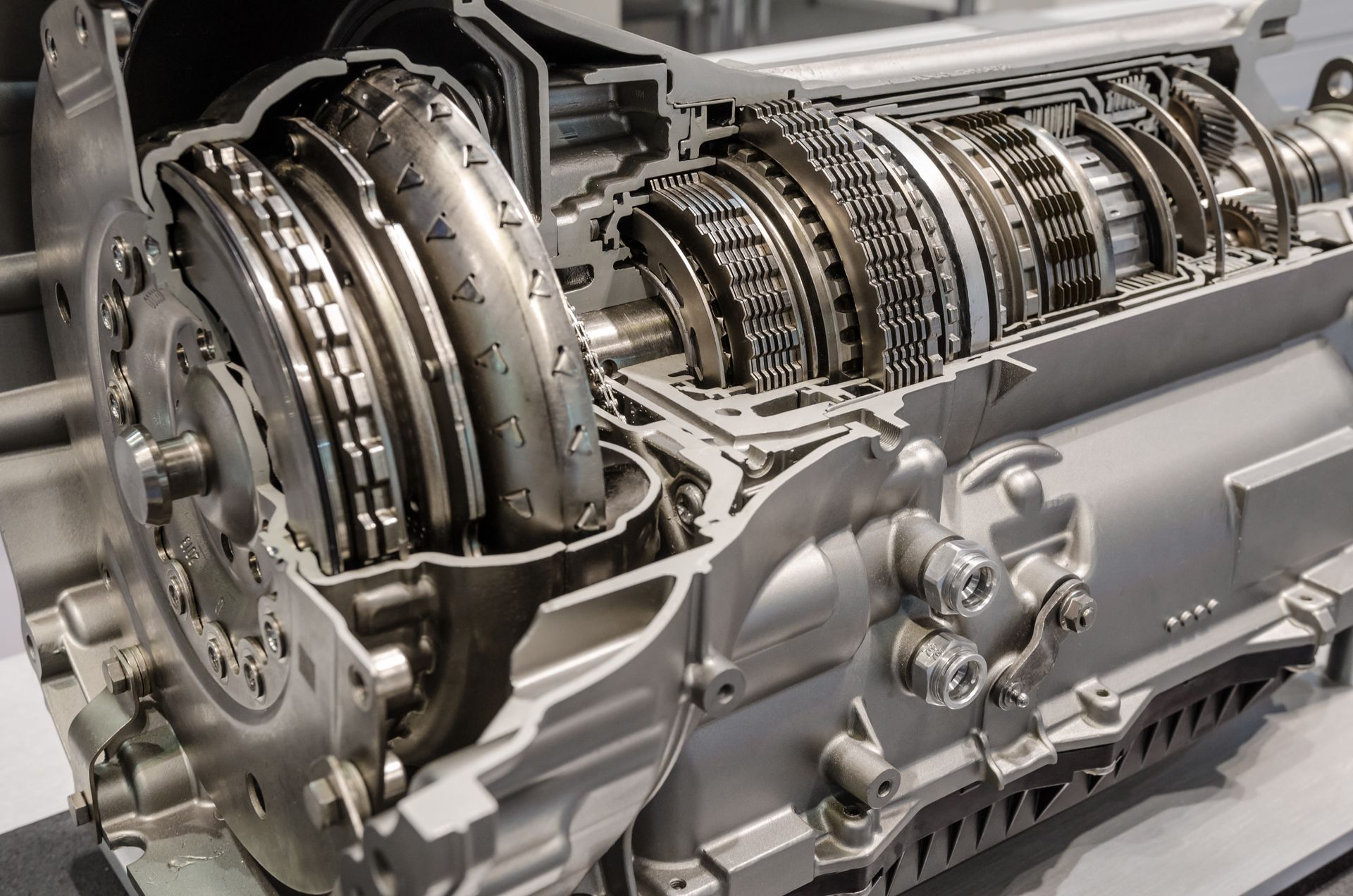
Whether manual or PDK, Porsche transmissions require specialized attention to maintain their legendary performance.
Manual Transmission Secrets Porsche manual transmissions use specific gear oils that protect synchros and maintain smooth shifting. The wrong oil can cause difficult shifting, especially in cold Denver mornings. Oil changes every 30,000-50,000 miles preserve smooth operation.
PDK Maintenance Porsche's PDK dual-clutch transmission is sophisticated machinery that requires specific service intervals. PDK fluid and filters must be changed every 40,000-60,000 miles using exact Porsche specifications. Neglecting this service can cause expensive clutch and valve body damage.
Secret #6: Seasonal Storage and Preparation
Many Denver Porsche owners store their vehicles during winter months, making proper storage preparation essential.
Battery Maintenance Porsche's sophisticated electronics drain batteries even when parked. Use a proper battery tender designed for modern vehicles to prevent deep discharge damage.
Tire Care Store your Porsche on jack stands to prevent flat spots on performance tires. Proper tire pressure and rotation prevent irregular wear that reduces performance and safety.
Fuel System Protection Add fuel stabilizer before storage to prevent fuel system damage. Consider filling the tank completely to prevent condensation in Colorado's dry climate.
The Investment Protection Formula
Maintaining a Porsche properly requires understanding that every service decision affects long-term value and performance. The formula is simple:
- Use only Porsche-approved fluids and parts
- Follow manufacturer service intervals religiously
- Address problems immediately before they cascade
- Choose technicians with genuine Porsche expertise
- Document all maintenance for resale value
Why Specialized Knowledge Matters
Porsche maintenance isn't just about following a schedule—it's about understanding the engineering philosophy behind every component. Generic shops might keep your Porsche running, but only specialists can keep it running perfectly while preserving its investment value.
The difference shows in everything from diagnostic accuracy to knowing which service procedures can be combined to save money. Porsche specialists understand the interconnected nature of these sophisticated vehicles and can spot potential problems before they become expensive failures.
Expert Porsche Care in Denver
At Importsports Auto Repair Pros & Performance, we understand that your Porsche represents both a passion and an investment. Our ASE Certified technicians specialize in European vehicles with deep expertise in Porsche maintenance and repair. We use factory diagnostic equipment, genuine Porsche parts, and proven procedures to keep your investment running perfectly.
Since 1997, we've helped Denver Porsche owners preserve their vehicles' performance and value through Colorado's challenging conditions. From routine maintenance to complex repairs, we provide the specialized care your Porsche deserves, backed by our 36-Month/36k-Mile warranty.
Don't trust your Porsche investment to generic service. Contact us today at (303) 752-2422
or book your Porsche maintenance appointment online. Experience the difference that true Porsche expertise makes for your driving pleasure and investment protection.