Planning a road trip from Denver opens up countless possibilities—from the majestic Rocky Mountains to the stunning desert landscapes of Utah or the wide-open plains of Kansas and Nebraska. But Denver's central location also means preparation is key, as your vehicle will likely encounter dramatic changes in elevation, temperature, and terrain. Here's how to ensure your car is ready for the adventure ahead, no matter which direction you're heading.
Why Denver Road Trips Require Special Preparation
Starting a road trip from Denver means your vehicle needs to be ready for unique challenges:
- Elevation changes : Whether you're climbing to higher mountain passes or descending to lower elevations, your vehicle's systems will be tested
- Temperature fluctuations : Denver's location can mean encountering freezing temperatures and scorching heat within the same trip
- Diverse terrain : From mountain switchbacks to long desert straightaways, your tires and suspension will face varying demands
- Remote areas : Many popular destinations from Denver include stretches with limited cell service and distant service stations
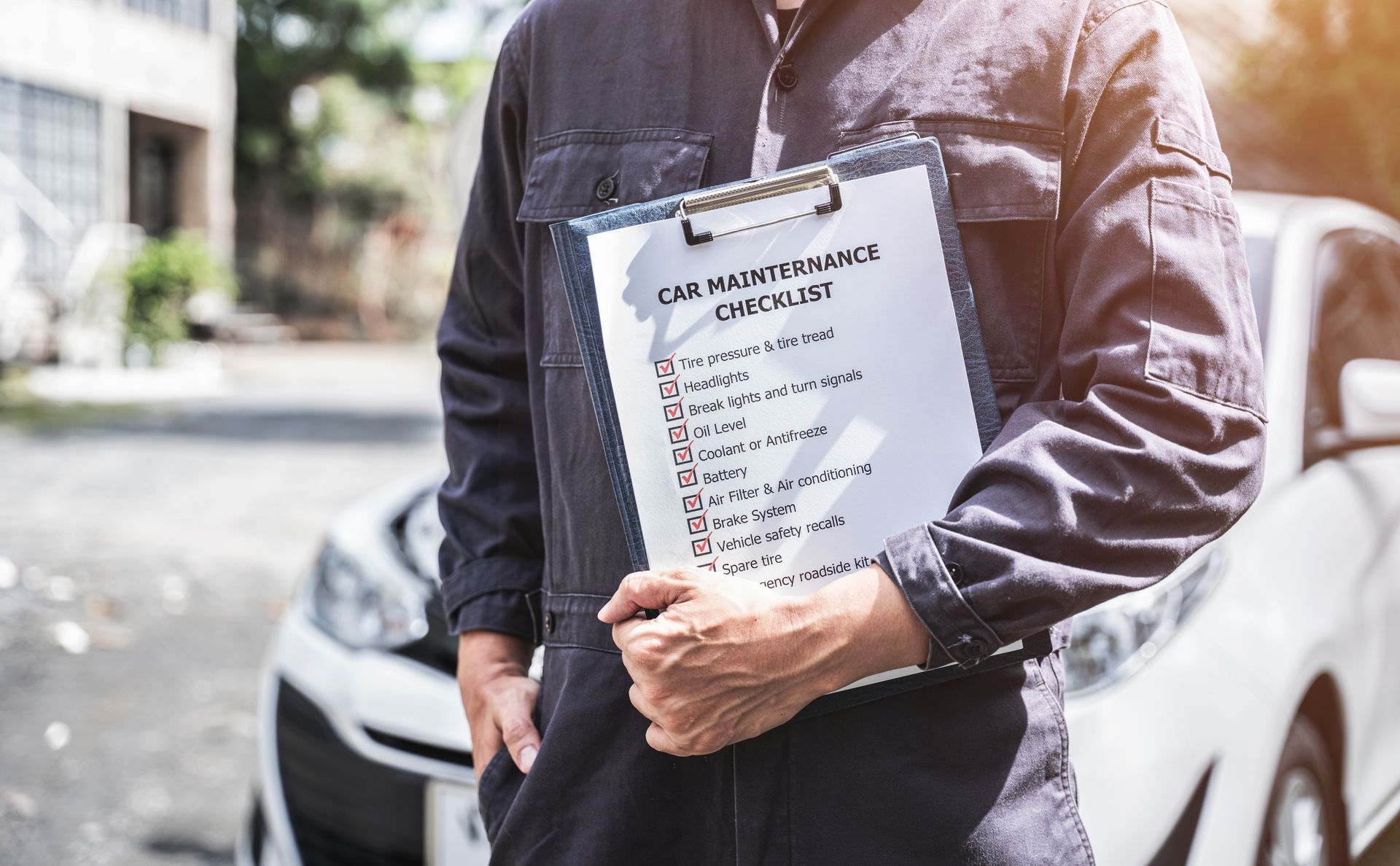
Essential Pre-Trip Inspection Checklist
1. Fluid Levels and Condition
Before heading out from Denver, ensure all fluids are topped off and in good condition:
- Engine oil : Crucial for those long interstate stretches to destinations like Moab or Mount Rushmore
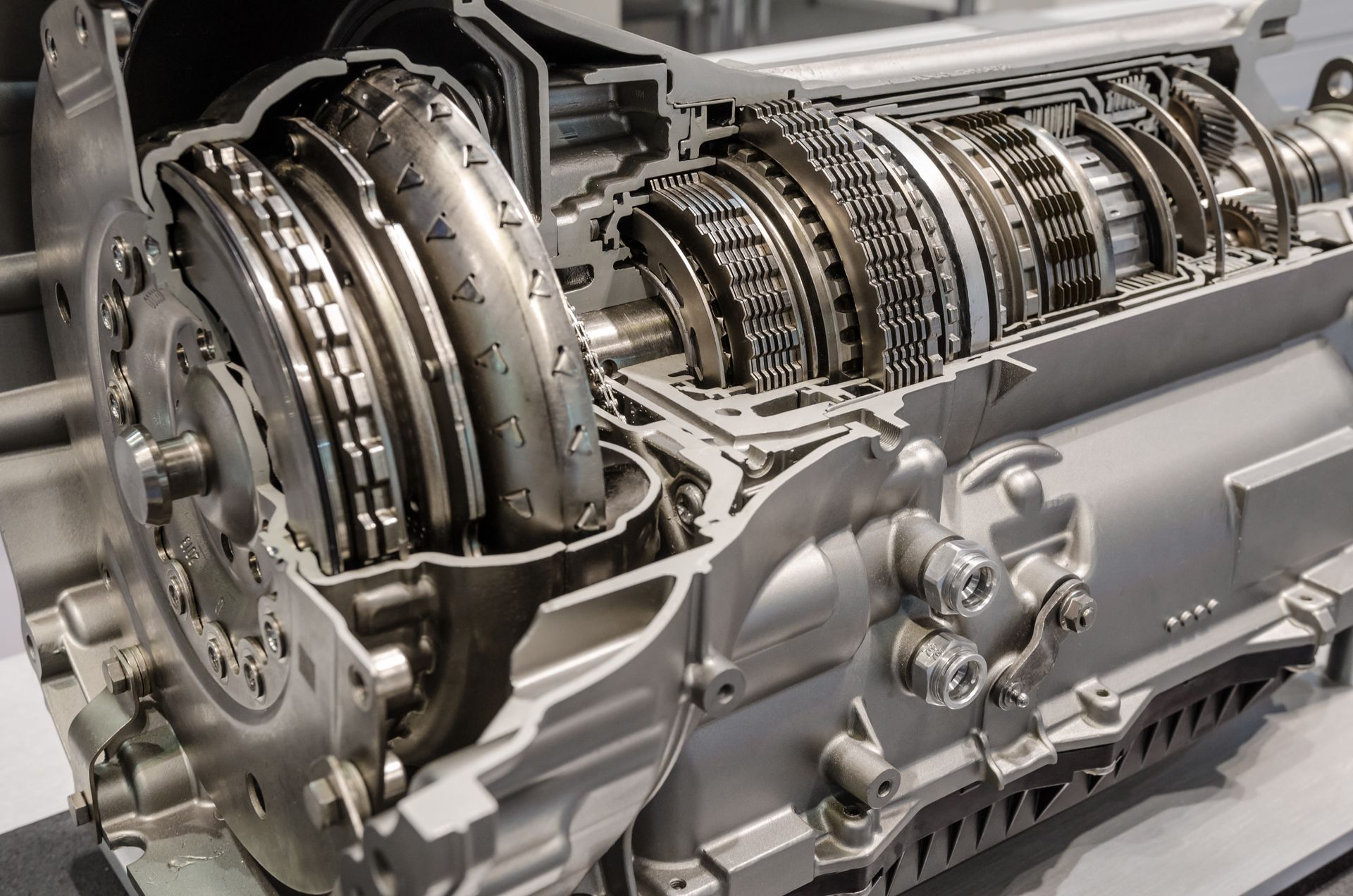
- Transmission fluid : Particularly important for mountain driving to destinations like Aspen or Steamboat Springs
- Brake fluid : Essential for managing those steep descents on I-70 through the mountains
- Power steering fluid : Helps navigate tight mountain roads through places like Rocky Mountain National Park
- Coolant/antifreeze : Critical for preventing overheating during summer trips or freezing during winter adventures
- Windshield washer fluid : Keep a full reservoir for clearing dust on eastern plains drives or bug splatter on western slope journeys
2. Tire Inspection and Preparation
Your tires are your only contact with the road, making them especially important for Denver road trips:
- Pressure check : Adjust for loaded weight and check against the manufacturer's specifications (often found on the driver's door jamb)
- Tread depth : Ensure adequate tread for potentially wet conditions if heading toward mountain afternoon thunderstorms
- Uneven wear patterns : Have these addressed before departure as they can worsen on long drives
- Spare tire condition : Verify your spare is properly inflated and accessible
- Consider terrain : If your journey includes unpaved roads to hiking spots or campgrounds, ensure your tires are appropriate
Denver-specific tip : If your road trip route includes mountain passes like Loveland Pass or Independence Pass, having tires with excellent tread is crucial for handling unexpected weather changes.
3. Brake System Evaluation
Denver's surrounding terrain makes proper brake function absolutely essential:
- Pad condition : Ensure adequate material remains before facing steep descents
- Rotor inspection : Check for warping or scoring that could worsen during mountain driving
- Brake fluid quality : Old fluid with water contamination can lead to brake fade on long downhill stretches
Denver-specific tip : If your trip includes mountain routes, consider having your brakes inspected even if they seem fine. The demands of descending from the Continental Divide can reveal weaknesses not apparent in normal city driving.
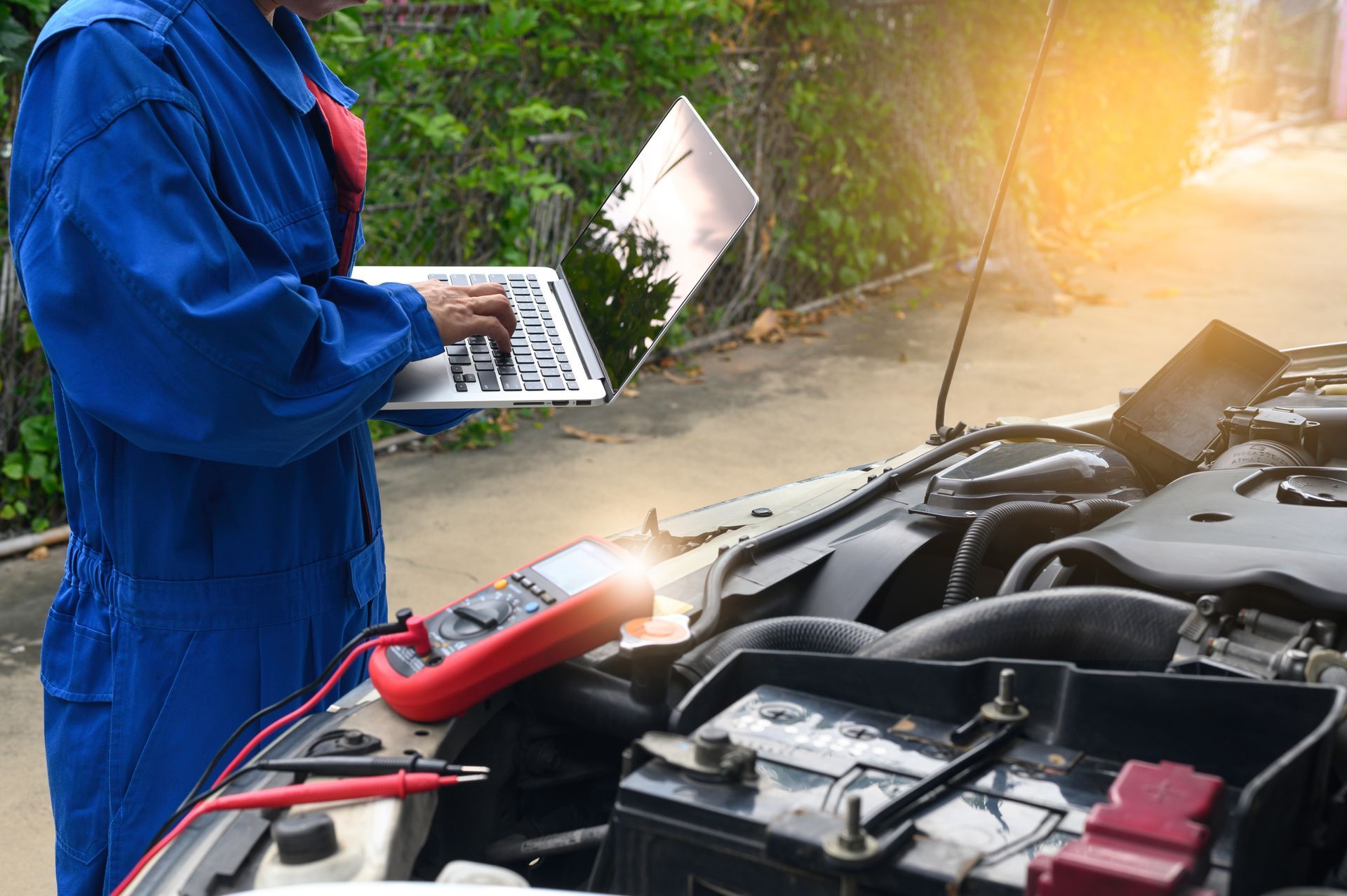
4. Battery Health Assessment
Battery issues are a leading cause of road trip interruptions:
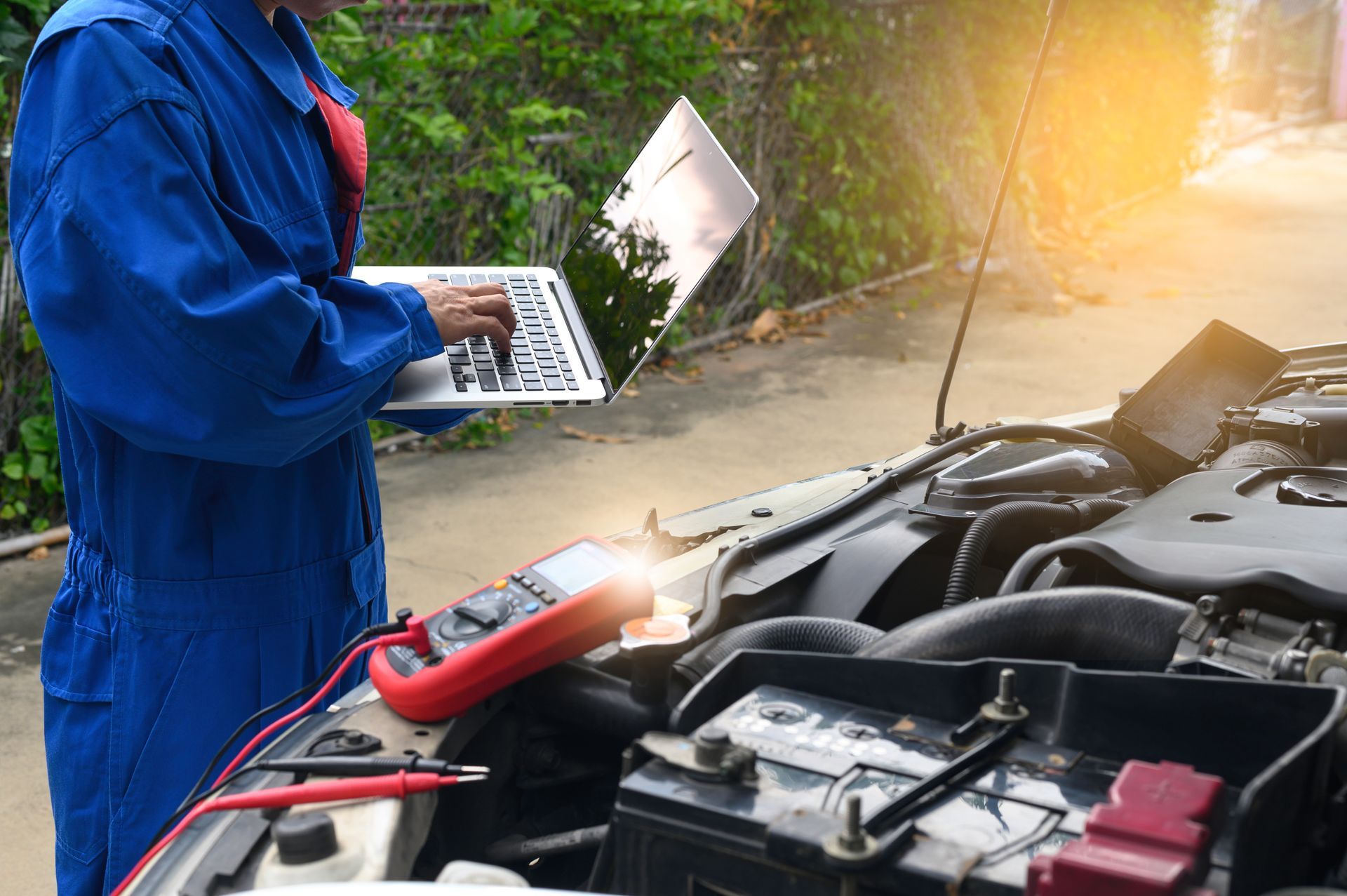
- Load test : Have your battery professionally tested, especially if it's over 3 years old
- Terminal cleanliness : Ensure connections are tight and free of corrosion
- Charging system check : Verify your alternator is functioning properly
Denver-specific tip : Denver's high altitude already puts additional strain on your electrical system. If your road trip goes to even higher elevations like Trail Ridge Road (12,183 feet), your battery needs to be in top condition.
5. Air Conditioning and Heating Performance
Colorado's variable weather means both systems may be needed on a single trip:
- AC performance : Have refrigerant levels checked before summer trips to desert destinations
- Heating system : Ensure proper function before winter mountain excursions
- Cabin air filter : Replace if dirty to improve air quality and system efficiency
6. Essential Safety Systems
Don't overlook these critical safety components:
- Headlights and taillights : Replace any burned-out bulbs
- Turn signals and hazard lights : Test functionality
- Wiper blades : Replace if they streak or skip
- Horn : Verify it works properly
- Seatbelts : Check for proper operation
Road Trip Emergency Kit Essentials for Denver Travelers
Prepare for the unexpected with these items tailored to Colorado road trips:
- Basic tools : Screwdrivers, pliers, adjustable wrench
- Jumper cables or portable jump starter : Essential for remote areas
- Flashlight and extra batteries : For nighttime emergencies
- First aid kit : Include any personal medications
- Blankets : Mountain temperatures can drop dramatically at night
- Water and non-perishable snacks : Critical if stranded in remote areas
- Phone charger/power bank : Keep communication devices powered
- Paper map/atlas : For areas with poor cell reception like parts of western Colorado
- Tire pressure gauge and portable air compressor : For adjusting pressure with elevation changes
- Emergency reflectors or flares : Important for mountain road breakdowns
- Extra coolant and oil : For topping off if needed
Denver-specific tip : If your road trip takes you on remote Colorado backroads, consider adding tire chains (in winter), a small shovel, and traction aids in case you encounter unpaved areas or adverse weather.
Special Considerations for Common Denver Road Trip Destinations
Mountain Destinations (Aspen, Vail, Breckenridge)
- Brake condition is especially critical
- Cooling system must be in perfect working order
- Consider a lower gear for steep descents to reduce brake wear
- Keep extra windshield washer fluid for mountain bug splatter
Desert Southwest (Moab, Arches, Grand Junction)
- Air conditioning needs to be at peak performance
- Cooling system should be thoroughly checked
- Carry extra water for both passengers and potentially the radiator
- Check all belts and hoses that could be stressed by extreme heat
Great Plains (Kansas, Nebraska, Eastern Colorado)
- Ensure tires are properly inflated for improved fuel economy on long, straight drives
- Check windshield wipers and fluid for sudden spring/summer storms
- Verify spare tire condition as service stations can be distant
Best Time for a Pre-Road Trip Inspection
Schedule your vehicle's checkup:
- Ideal timing : 1-2 weeks before departure
- Why : Allows time to address any issues without rushing
- Added benefit : Peace of mind during your adventure
Professional Pre-Trip Inspection Services
At Importsports Auto Repair Pros & Performance, we offer comprehensive road trip inspection packages tailored specifically for Denver travelers. Our ASE Certified technicians understand the unique demands placed on vehicles leaving from our mile-high city and heading into varied terrain.
Our Road Trip Readiness Inspection includes:
- Thorough fluid check and top-off
- Tire condition assessment and pressure adjustment
- Comprehensive brake evaluation
- Battery and electrical system testing
- Belt and hose inspection
- Cooling system assessment
- Lighting and safety feature verification
- Manufacturer-recommended maintenance review
We specialize in preparing European, Japanese, Korean, and American vehicles for the specific challenges of Colorado road trips. Whether you're driving a BMW to Telluride or a Toyota to Yellowstone, our team ensures your vehicle is ready for the journey ahead.
Don't let vehicle troubles interrupt your adventure. Contact Importsports today at (303) 752-2422
or visit our shop at 7667 E Iliff Ave Ste I to schedule your pre-trip inspection. Our Denver location provides convenient access before heading out on I-25, I-70, or other major routes for your Colorado road trip.
Remember, the memories of your road trip should be about amazing views and experiences—not roadside breakdowns. Let our expert team help ensure your vehicle is as ready for the adventure as you are!