Choosing between a BMW and an Audi in Denver often comes down to more than just styling preferences or brand loyalty. Both German luxury brands offer exceptional performance and engineering, but they take different approaches to maintenance that can significantly impact your wallet over time. With Colorado's challenging driving conditions—from mountain passes to temperature extremes—understanding the real-world maintenance costs of these premium vehicles can help you make the smartest choice for your budget and driving needs.
The German Engineering Philosophy: Same Goals, Different Paths
Both BMW and Audi represent the pinnacle of German automotive engineering, but they've evolved distinct approaches that directly affect maintenance costs and complexity.
BMW's Performance Focus BMW builds vehicles with an emphasis on driving dynamics and performance. This philosophy shows in everything from suspension tuning to engine design. BMW's approach often results in more complex systems that deliver exceptional performance but require more frequent attention and specialized service.
Audi's Technology Integration Audi prioritizes advanced technology and sophisticated all-wheel-drive systems. Their quattro AWD technology and cutting-edge electronics create vehicles that excel in challenging conditions but can be expensive to maintain when complex systems need service.
These different priorities create distinct maintenance patterns that become especially important for Denver drivers facing Colorado's demanding conditions.
Real-World Maintenance Cost Comparison
Based on typical maintenance needs for Denver-driven vehicles, here's what you can expect to spend annually:
BMW Maintenance Costs (Annual Average)
- Routine maintenance: $1,500-2,200
- Oil changes: $100-160 (every 10,000 miles)
- Brake service: $600-1,000 per axle
- Major service intervals: $1,200-2,500
Audi Maintenance Costs (Annual Average)
- Routine maintenance: $1,200-1,800
- Oil changes: $80-150 (every 10,000 miles)
- Brake service: $500-900 per axle
- Major service intervals: $800-1,800
Generally, BMW maintenance runs about 15-25% higher than Audi, though this varies significantly by model and driving conditions.
Why BMW Costs More to Maintain
Several factors contribute to BMW's higher maintenance costs:
Complex Cooling Systems BMW engines, especially turbocharged models, use sophisticated cooling systems that require more frequent attention. In Denver's altitude and temperature extremes, these systems work harder and may need service more often than Audi's simpler designs.
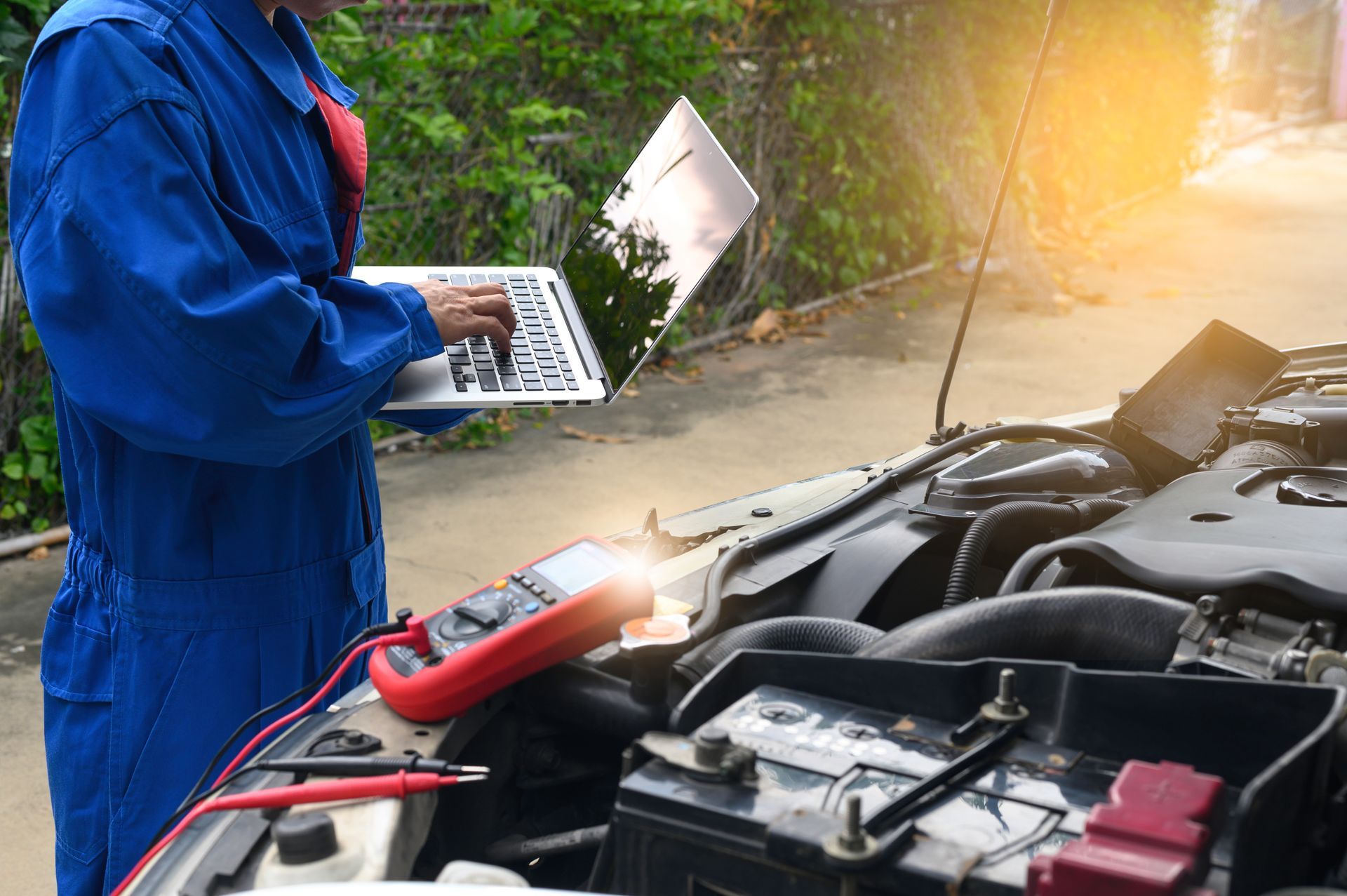
Electronic Complexity BMW's iDrive system and advanced electronics require specialized diagnostic equipment and more expensive repairs when problems occur. Software updates and programming procedures often cost more than Audi's equivalent services.
Performance-Oriented Components BMW's focus on performance means components like brakes, suspension parts, and engine mounts are designed for maximum performance but may wear faster under normal driving conditions.
Parts Pricing BMW genuine parts typically cost 10-20% more than equivalent Audi components. This difference compounds over time, especially for wear items like filters, fluids, and brake components.
Where Audi Saves Money
Audi's maintenance advantages include:
Longer Service Intervals Audi's flexible service schedule often extends intervals between major services, reducing annual maintenance costs. Their systems are generally more forgiving of extended service intervals.
Simpler Electronics While Audi vehicles are technology-rich, their electronic systems tend to be more modular and easier to service than BMW's more integrated approach.
Parts Availability Audi shares more components across model lines, creating better parts availability and more competitive pricing in the Denver market.
Denver-Specific Considerations
Colorado's environment affects both brands differently, impacting long-term maintenance costs:
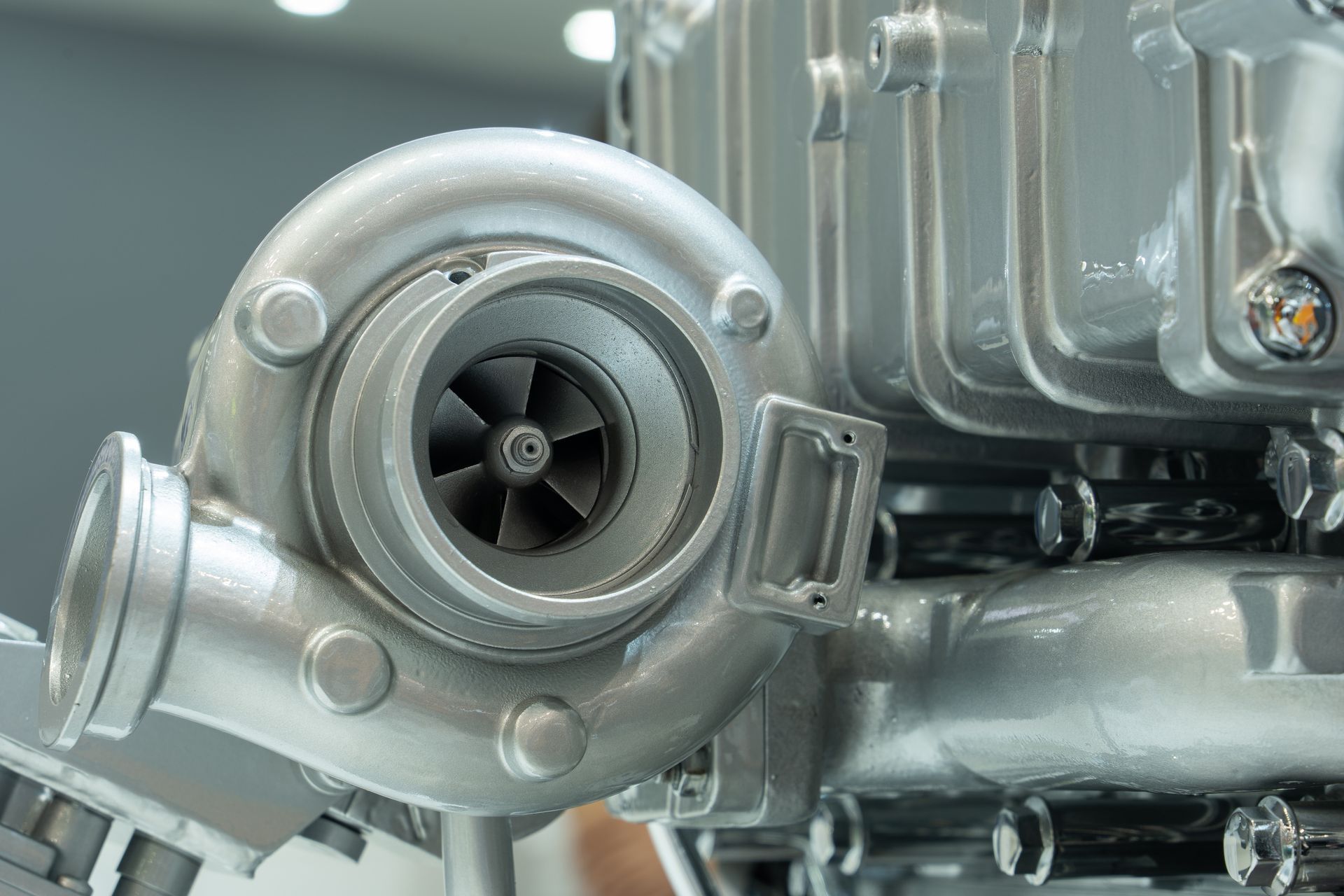
Altitude Effects Both BMW and Audi turbocharged engines face challenges at Denver's altitude, but BMW's more aggressive tuning can lead to more frequent carbon cleaning needs and turbo-related issues.
Temperature Extremes Denver's wild temperature swings stress cooling systems differently. BMW's aluminum engines are more sensitive to overheating, while Audi's systems generally prove more robust in extreme conditions.
Mountain Driving Impact Colorado's steep grades put extra stress on braking systems and all-wheel-drive components. Audi's quattro system generally requires less maintenance than BMW's xDrive under these conditions.
Winter Corrosion Salt and magnesium chloride used on Denver roads affect both brands, but BMW's aluminum components can be more vulnerable to corrosion damage, leading to higher long-term repair costs.
Common Expensive Repairs: Brand Comparison
Understanding typical high-cost repairs helps predict long-term ownership expenses:
BMW Common Expensive Repairs
- Water pump replacement: $1,500-2,500
- Turbo replacement: $3,000-5,000
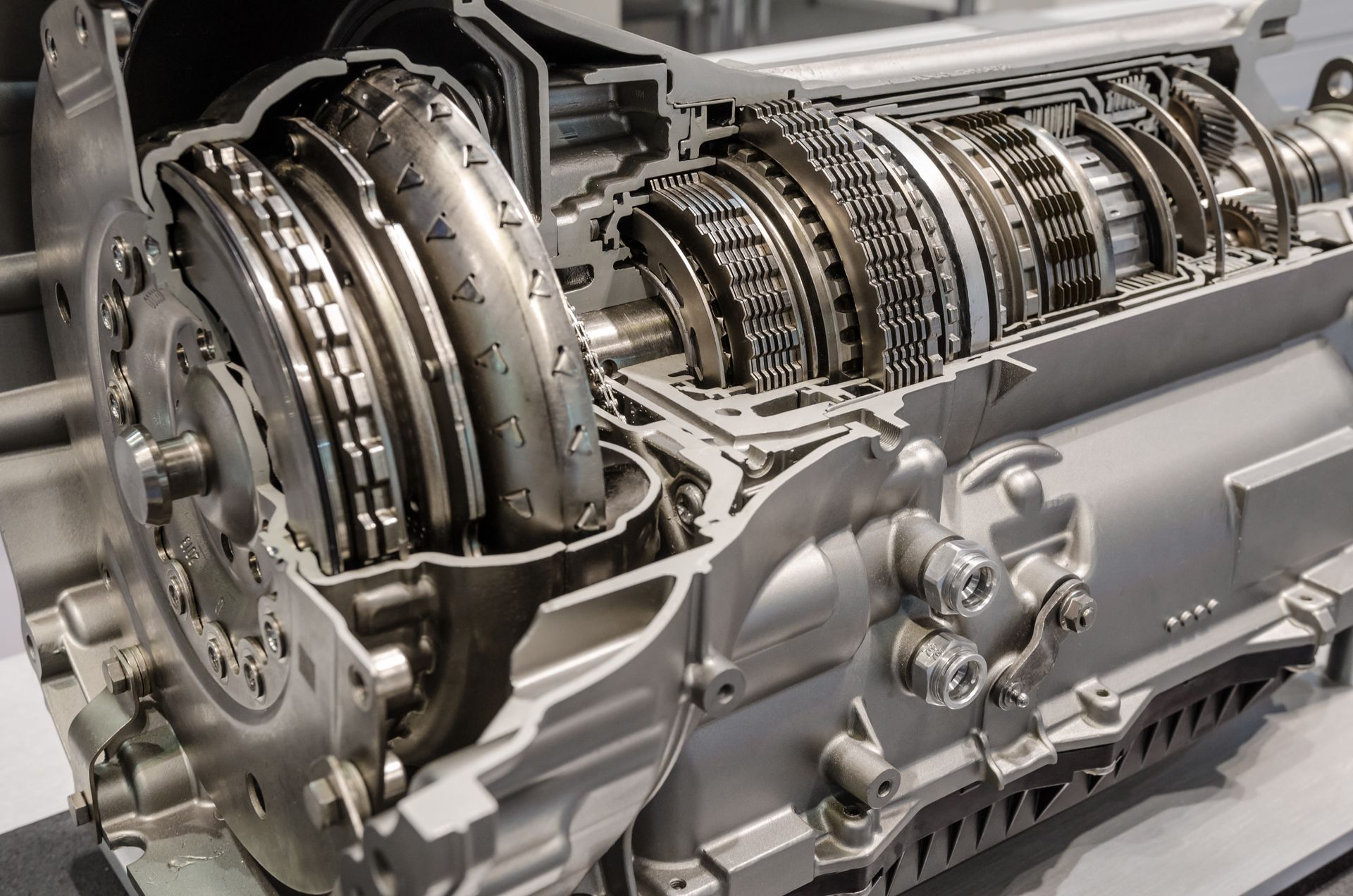
- Transmission service: $800-1,500
- Suspension components: $1,200-2,000
Audi Common Expensive Repairs
- Carbon cleaning: $400-800
- Timing chain service: $2,000-3,500
- Transmission service: $600-1,200
- Water pump replacement: $800-1,500
Both brands can experience expensive failures, but BMW's tend to be costlier when they occur.
Service Network and Parts Availability in Denver
BMW Service Network Denver has several BMW dealerships and numerous independent BMW specialists. Parts availability is generally good, though genuine BMW parts command premium prices.
Audi Service Network Fewer Audi dealerships exist in the Denver metro area, but independent European specialists commonly service both brands. Audi parts are typically more available and competitively priced.
Long-Term Ownership Cost Analysis
Over a typical 10-year ownership period in Denver:
BMW Total Maintenance Cost : $18,000-25,000 Audi Total Maintenance Cost : $15,000-20,000
These figures assume proper maintenance and typical Denver driving conditions. High-performance models or neglected vehicles can cost significantly more.
Making the Right Choice for Your Situation
Choose BMW if:
- You prioritize ultimate driving performance
- You can budget $2,000+ annually for maintenance
- You have access to qualified BMW specialists
- You typically keep vehicles for 5-7 years
Choose Audi if:
- You want luxury with more predictable costs
- You prefer advanced all-wheel-drive capability
- You plan to keep your vehicle for 8+ years
- You want better parts availability and service options
Smart Ownership Strategies
Regardless of which brand you choose:
Budget for Reality : Plan on spending 20-30% more than manufacturer estimates for Denver conditions.
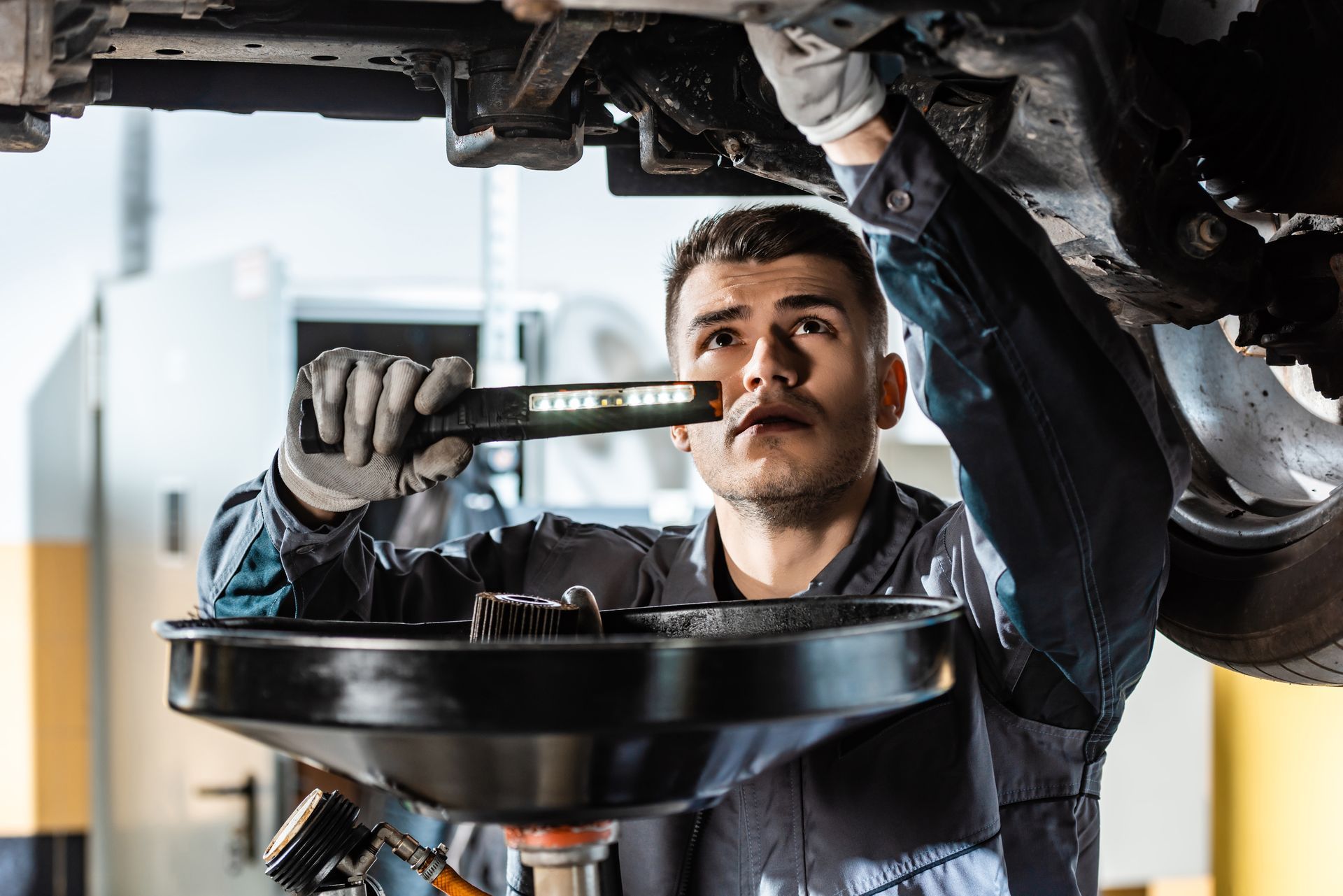
Find the Right Specialist : Both brands require knowledgeable technicians with proper diagnostic equipment.
Don't Skip Maintenance : Deferred maintenance on either brand can lead to catastrophic failures costing thousands.
Consider Extended Warranties : For BMW especially, extended warranty coverage can provide valuable protection against expensive repairs.
Both BMW and Audi offer exceptional vehicles that can provide years of reliable service when properly maintained. Understanding the real costs helps you budget appropriately and enjoy your German luxury vehicle without financial surprises.
Expert BMW and Audi Service in Denver
At Importsports Auto Repair Pros & Performance, we specialize in both BMW and Audi maintenance and repair with deep understanding of how these German luxury vehicles perform in Denver's challenging environment. Our ASE Certified technicians have the factory diagnostic equipment and specialized knowledge to maintain both brands efficiently and cost-effectively.
Since 1997, we've helped Denver drivers enjoy their BMW and Audi vehicles while managing maintenance costs through honest, transparent service. Whether you choose the ultimate driving machine or quattro all-wheel-drive capability, we provide the expert care your German luxury vehicle deserves.
Ready to make an informed decision about German luxury ownership? Contact us today at (303) 752-2422
or book your BMW or Audi service consultation online. Let our expertise help you enjoy premium German engineering without breaking the budget.