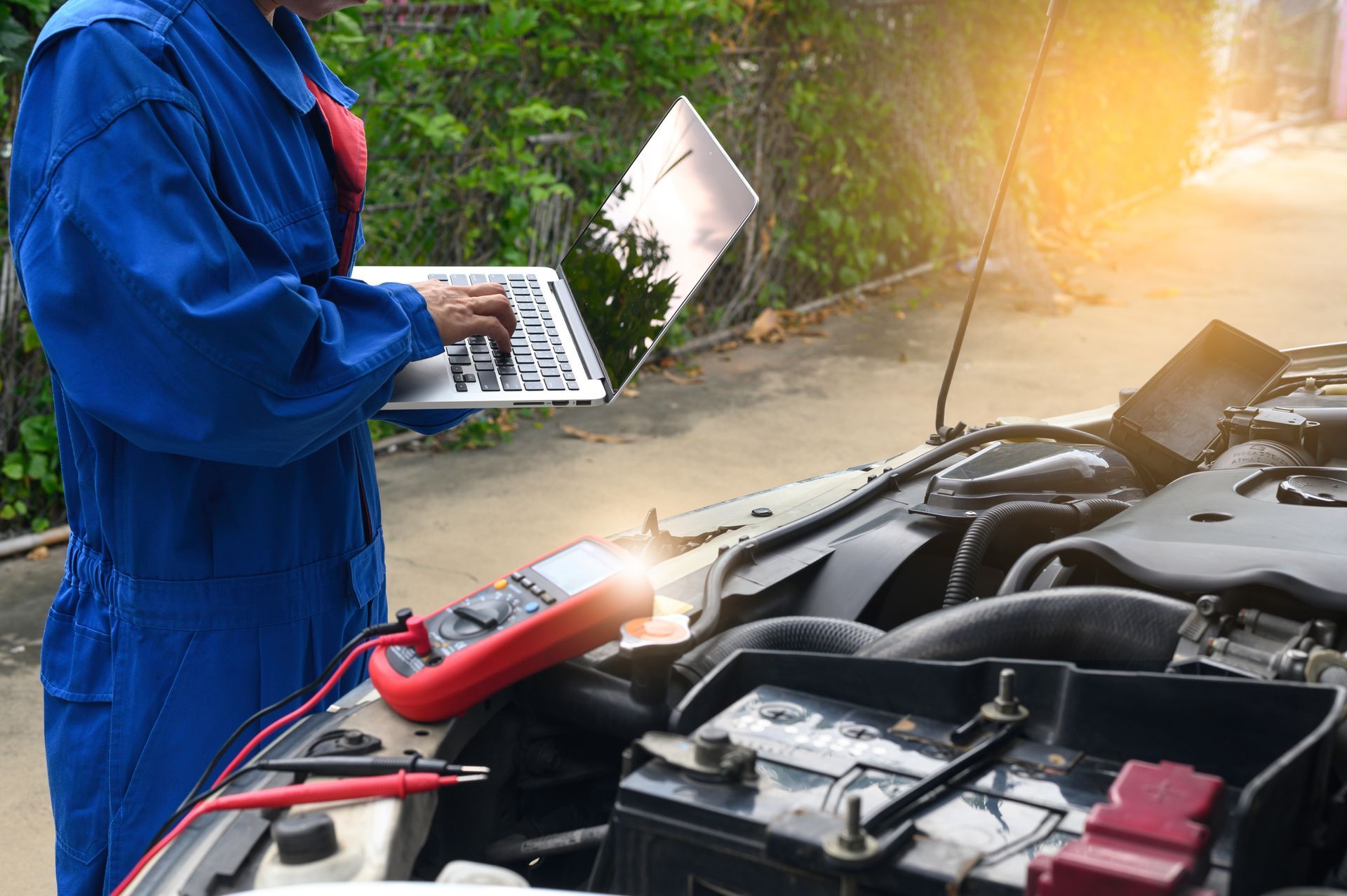
Road trips are supposed to be about the fun stuff. The destination, the snacks, the playlists, the scenery, and maybe even the chance to spend a little more time with the people riding with you. What nobody wants is for the trip to turn into a roadside breakdown, an overheating engine, or a tire problem somewhere far from home.
At our shop, we see this every travel season. A vehicle that feels perfectly fine for school runs, errands, and commuting suddenly has to handle hours of highway driving, extra cargo, summer heat, stop-and-go traffic, and unfamiliar roads. That extra strain can expose weak spots fast.
The good news is that road trip preparation does not have to be complicated. A little attention before you leave can go a long way toward making the trip safer, smoother, and a whole lot less stressful. The idea is not to assume the worst. It is to make sure your vehicle is actually ready for the miles ahead.
Start With The Tires
If there is one place we always tell drivers to start, it is the tires. Your tires are doing a lot of work on a road trip. They carry the load of passengers and luggage, deal with hot pavement, and affect everything from handling to fuel economy to stopping distance.
Before you leave, check the tire pressure when the tires are cold. Make sure it matches the vehicle manufacturer’s recommended setting, not just whatever sounds close enough. Then take a look at tread depth and overall condition. If the tires are wearing unevenly, cracked, or getting close to replacement, a long road trip is not the time to ignore that.
And do not forget the spare. A spare tire does not help much if it is flat, missing, or buried under luggage you cannot easily move.
Make Sure Your Brakes Feel Right
A road trip often means highway speeds, heavy traffic, extra vehicle weight, and sometimes hills or mountain driving. All of that puts more demand on your brakes. If they are already squeaking, pulsing, grinding, or feeling soft, those problems are not going to become less important just because you are on vacation.
Your brake pedal should feel firm and predictable. The vehicle should stop smoothly and confidently. If something feels off now, it is worth addressing before you leave instead of hoping it can wait until you get back.
Brake problems are one of those things people tend to delay because the car is still technically stopping. But on a longer trip, “still stopping” is not the standard you want.
Check Oil And Other Fluids
Longer drives mean longer run time, more heat, and more demand on the engine and other systems. That makes fluids especially important before a trip.
At a minimum, make sure the oil level is correct and that you are not overdue for an oil change. If you are close to the next interval, it often makes more sense to handle it before the trip than afterward.
You also want to check the rest of the basic fluids, including coolant, brake fluid, transmission fluid where applicable, and washer fluid. A low fluid level may point to a leak or maintenance issue that is better handled in your driveway than in an unfamiliar town.
Pay Attention To The Battery
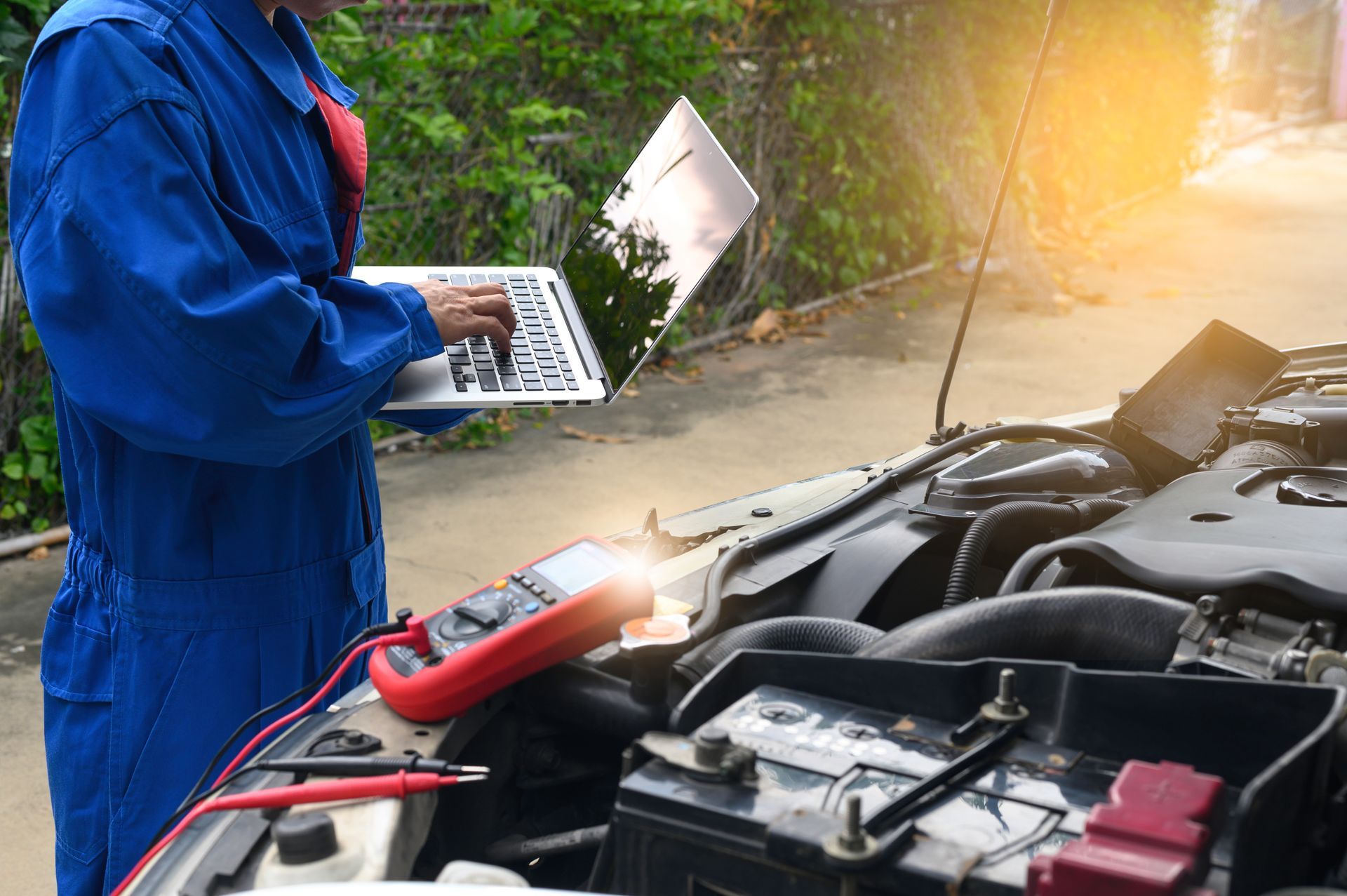
A weak battery has a talent for failing at the worst possible time. Maybe the vehicle starts fine all week at home, then suddenly struggles at a rest stop, gas station, or hotel parking lot. That is why battery health is worth thinking about before a road trip, especially if the battery is older or you have noticed slower starting lately.
Summer trips can be surprisingly hard on batteries too. Heat, A/C use, short stops, and extra electrical demand all add up. If you are not confident in the battery’s condition, testing it before you leave is a smart move.
Do Not Ignore The Cooling System
If your road trip is happening during warmer weather, the cooling system deserves extra attention. Long highway drives, traffic, hills, and high temperatures all make the engine work harder, and that means the cooling system has to be up to the job.
If your temperature gauge has been creeping up, if you smell coolant, or if you have seen coolant spots where you park, get that checked before the trip. An overheating engine can ruin travel plans fast and can lead to serious damage if it is ignored.
This is one of those systems that many drivers do not think much about until something goes wrong. On a road trip, that is a risky approach.
Make Sure The A/C Is Ready Too
This may not sound as critical as brakes or tires, but on a long drive, cabin comfort matters more than people think. A weak A/C system can make traffic feel much longer, make passengers miserable, and turn what should be a comfortable trip into a sweaty one.
This is especially important if you are traveling with kids, older passengers, or pets. If the air conditioning has been slow to cool, blowing weakly, or smelling musty, now is the time to deal with it. While you are at it, check the cabin air filter too. A clogged filter can reduce airflow and make the system feel less effective than it should.
Look At Wipers, Lights, And Visibility
Good visibility is part of good trip preparation. You may not think much about wiper blades until you hit sudden rain or a windshield full of bugs on the highway. Then their condition matters a lot.
Make sure the blades are not streaking, skipping, or leaving half the glass unclear. Check the washer fluid too. Then do a quick walk-around and make sure all your lights are working properly, including headlights, brake lights, turn signals, and hazards.
A road trip vehicle should not just run well. It should also let you see clearly and be seen clearly.
Think About What You Are Carrying
Road trips often mean extra cargo, and that weight matters. Overloading a vehicle affects tires, brakes, handling, and stopping distance. Even if you are not going over the vehicle’s weight limit, a heavily loaded car still behaves differently than an empty one.
Pack thoughtfully. Keep heavy items low and secure. Do not block your rear view if you can avoid it. If you are using a roof box or cargo carrier, remember that it changes both weight and airflow.
This is also a good time to keep your emergency essentials easy to reach, not buried under everything else.
A few helpful items to keep in the vehicle include:
- Phone charger
- Flashlight
- Basic first-aid kit
- Water
- Tire-changing tools and roadside info
You do not need to overpack for disaster, but a little preparation helps a lot if something unexpected happens.
A Pre-Trip Inspection Is Worth It
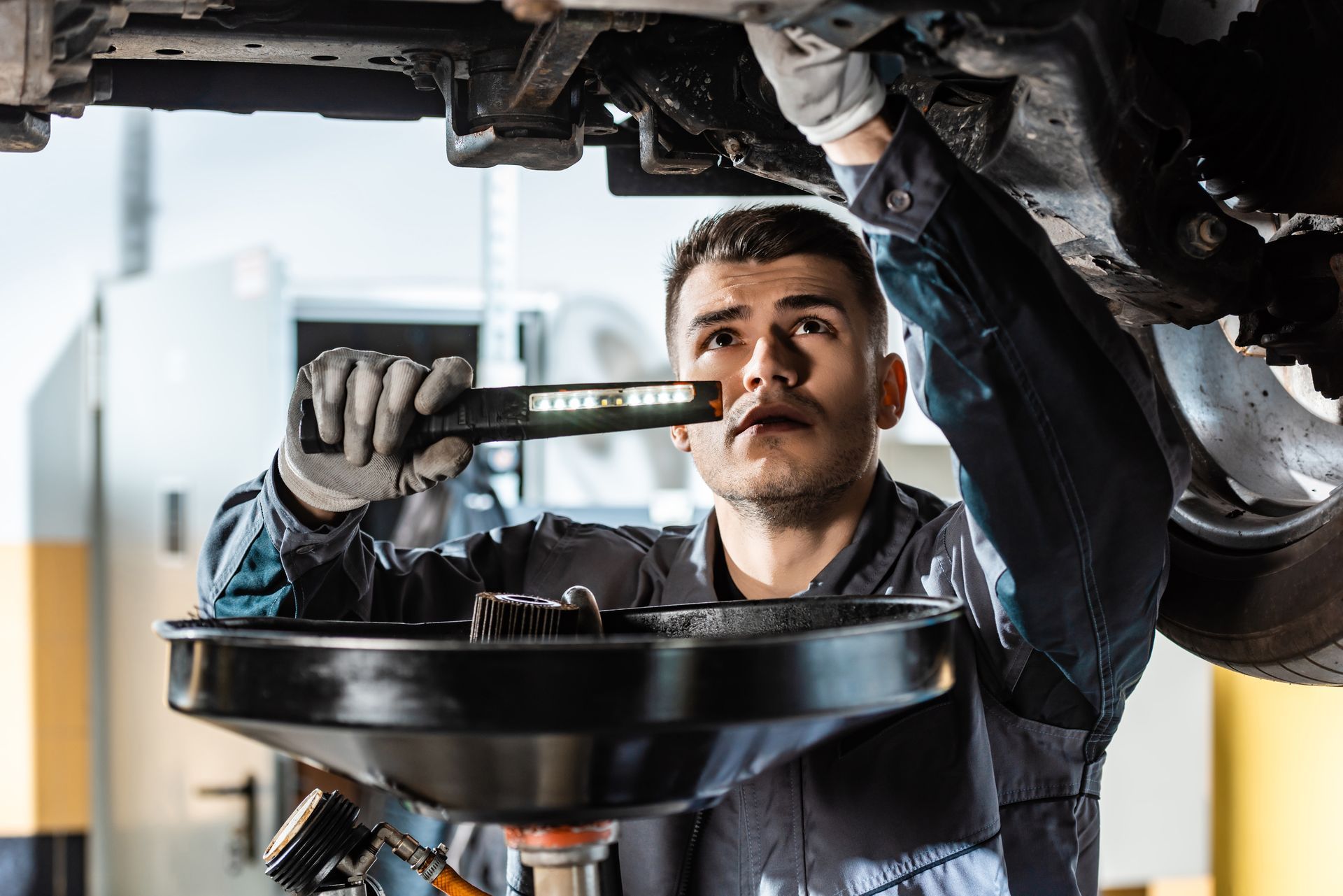
A lot of road trip stress can be avoided by having the car looked over before you leave. That is especially true if the vehicle is older, has high mileage, or has not had much recent service. A good inspection can catch the things drivers are most likely to miss, and it gives you a better sense of whether the car is truly ready for the trip ahead.
At our shop, we would always rather help someone prepare for a trip than help them recover from one that got interrupted by something preventable. Let our team help make sure your vehicle is ready for the miles ahead. We can inspect your tires, brakes, fluids, battery, cooling system, A/C, and more so you can travel with more confidence and less stress.
Call us today or stop by
Importsports in Denver, CO to schedule your pre-trip inspection.