5 Critical Warning Signs Your Brakes Need Attention Before Colorado Summer Adventures

August 4, 2025

Summer in Colorado means road trip season is here. Whether you're planning to cruise the Peak to Peak Highway, explore Rocky Mountain National Park, or venture down to the Great Sand Dunes, your vehicle's braking system will face serious challenges on our state's mountainous terrain.

Denver sits at 5,280 feet above sea level, and many of Colorado's most beautiful destinations climb even higher. Those steep mountain grades, winding descents, and sudden elevation changes put enormous stress on your brakes. Before you load up the car and head out for your summer adventure, watch for these five warning signs that your brakes need professional service.

1. Squealing or Grinding Noises During Braking

That high-pitched squeal when you press the brake pedal isn't just annoying—it's your car's way of telling you the brake pads are wearing thin. Most brake pads have small metal indicators that create this sound when the pad material gets low.

If you hear grinding instead of squealing, stop driving immediately. Grinding means the pad material is completely gone, and metal is scraping against metal. This damages your rotors and creates a dangerous situation, especially on steep Colorado mountain roads where you need maximum braking power.

Mountain driving amplifies brake noise issues. The constant braking required on long descents from places like Vail Pass or Independence Pass generates heat that accelerates pad wear. What might last another few months of city driving in Denver could fail completely on a single mountain road trip.

2. Brake Pedal Feels Soft, Spongy, or Goes to the Floor

Your brake pedal should feel firm and responsive when pressed. If it feels soft, spongy, or travels closer to the floor than usual, you likely have air in the brake lines or a brake fluid leak.

This problem becomes especially dangerous at high altitude. The lower air pressure at elevation can worsen brake system issues that might be barely noticeable at Denver's altitude. A brake system that feels slightly soft in the city could become completely ineffective on a mountain pass.

Brake fluid also behaves differently in Colorado's extreme temperature variations. Summer days can reach 90°F in Denver while mountain mornings start near freezing. These temperature swings affect brake fluid performance and can reveal hidden problems in your brake system.

3. Vibration or Pulsing When You Apply the Brakes

If your steering wheel shakes or you feel pulsing through the brake pedal when stopping, your brake rotors are likely warped or damaged. This happens when rotors overheat and develop uneven surfaces.

Colorado's mountain driving creates perfect conditions for rotor warping. Long descents require constant braking, which generates tremendous heat. Many drivers make the mistake of riding their brakes down mountain grades instead of using lower gears and engine braking to control speed.

Warped rotors don't just create vibration—they reduce your stopping power right when you need it most. On steep grades like those on I-70 through the Eisenhower Tunnel or Highway 285 over Kenosha Pass, compromised braking ability can quickly become a safety emergency.

4. Dashboard Warning Light or Low Brake Fluid

Modern vehicles monitor brake system performance and alert you when problems develop. If your brake warning light comes on, don't ignore it. This could indicate low brake fluid, worn brake pads, or a more serious brake system malfunction.

Check your brake fluid level regularly, especially before long trips. Brake fluid should be clear or slightly amber. If it's dark, contaminated, or below the minimum line, your brake system needs immediate attention.

Denver's dry climate can accelerate brake fluid deterioration. Brake fluid absorbs moisture from the air, and even small amounts of water can cause brake failure under the high-heat conditions of mountain driving. Fresh brake fluid is essential for safe summer road trips in Colorado.

5. Car Pulls to One Side When Braking

If your car pulls left or right when you apply the brakes, you have uneven braking force between the wheels. This could result from a stuck brake caliper, uneven pad wear, or brake fluid contamination.

This problem becomes particularly hazardous on mountain roads with steep drop-offs and narrow lanes. A car that pulls during braking on Highway 34 through Rocky Mountain National Park or the Million Dollar Highway near Silverton could easily leave the roadway.

Uneven braking also indicates your brake system isn't operating at full efficiency. When you need to make an emergency stop on a mountain road—whether for wildlife, falling rocks, or other hazards—every bit of braking power matters.

Don't Risk Your Colorado Adventure

Colorado's summer driving conditions demand properly functioning brakes. Mountain grades, elevation changes, and temperature extremes create challenges that can quickly expose brake system weaknesses. A brake problem that seems minor in Denver traffic could become dangerous or even deadly on a mountain pass.

Summer is also peak tourist season, meaning mountain roads are crowded with drivers unfamiliar with Colorado's terrain. You need confidence in your vehicle's ability to stop safely and quickly when conditions demand it.

Ready for Safe Summer Adventures? 

Don't let brake problems ruin your Colorado road trip plans. At ImportSports Performance, our ASE Certified technicians specialize in brake service for all makes and models. We know how Colorado's unique driving conditions affect brake systems, and we'll make sure your vehicle is ready for whatever adventures you have planned.

Located at 7667 E Iliff Ave in Denver, we've been keeping Colorado drivers safe on mountain roads since 1997. Call us today at (303) 752-2422 to schedule your pre-trip brake inspection. With our 36-Month/36k-Mile Warranty, you can hit the road with complete confidence.
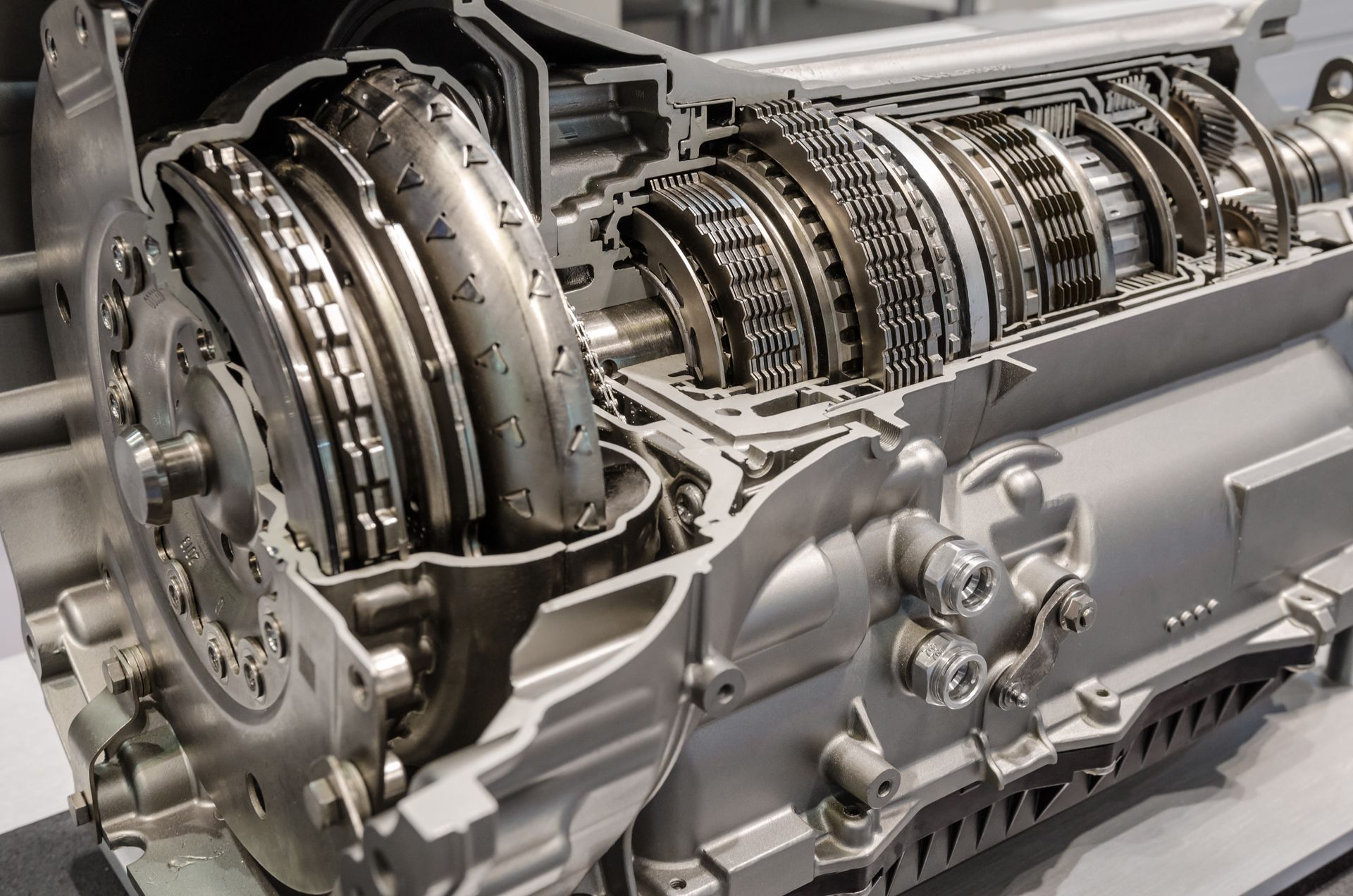
What Does a Transmission Slip Feel Like? | Importsports
July 31, 2026
Learn the signs of a slipping transmission and when to visit Importsports in Denver, CO for professional transmission service.
What Does An Engine Tune-Up Include On Modern Cars? | Importsports
June 30, 2026
The phrase engine tune-up used to mean a fairly predictable list of parts. Spark plugs, wires, distributor parts, timing adjustments, and a few basic checks were the usual routine. Modern cars are different. Many of those older parts are gone, and the engine computer now handles adjustments that once had to be done by hand. That does not mean tune-ups disappeared. They changed. A modern tune-up is more about checking the systems that help the engine start cleanly, idle evenly, use fuel properly, and respond the way it should. Instead of one standard service for every car, it should be based on the vehicle’s mileage, condition, service history, and symptoms. Spark Plugs Still Matter Spark plugs are still one of the most important tune-up parts. They create the spark that ignites the air-fuel mixture in each cylinder. As they wear, the gap can grow, deposits can build up, and the spark may become weaker under load. Worn spark plugs can cause rough starts, poor fuel economy, hesitation, misfires, and a check engine light. On turbocharged or higher-compression engines, weak plugs can show up more quickly during acceleration. Replacing spark plugs at the correct interval helps protect ignition coils and keeps the engine firing cleanly. Ignition Coils Need To Be Checked Modern vehicles commonly use ignition coils instead of older distributor-style ignition parts. These coils create the voltage needed for each spark plug to fire. A weak coil can cause a misfire that feels like shaking, stumbling, or a loss of power. Coils should not be replaced blindly unless the vehicle’s service plan calls for it. A proper inspection can check misfire data, coil performance, plug condition, wiring, and whether the problem occurs on a specific cylinder. That testing helps separate a bad coil from a fuel, air, or compression issue. Air And Cabin Filters Are Part Of The Picture An engine needs clean airflow. A clogged engine air filter can reduce performance, hurt fuel economy, and make the engine work harder than it should. In dusty conditions or heavy city driving, filters can get dirty sooner than expected. A modern tune-up may also include checking the cabin air filter, even though it does not affect engine combustion directly. A clogged cabin filter can reduce airflow through the vents, making the HVAC system feel weak. Filter checks are simple, but they are easy to forget during regular maintenance. Fuel System Checks Can Explain Rough Running Fuel delivery plays a major role in how the engine feels. A weak fuel pump, dirty injectors, a clogged filter on vehicles that have a serviceable one, or poor fuel pressure can cause hard starts, hesitation, rough idle, and weak acceleration. Not every car needs a fuel cleaning service at every tune-up. The smarter approach is to examine symptoms, mileage, fuel-trim data, and injector performance. If the engine is running lean, rich, or unevenly, fuel system testing can help show whether fuel delivery is part of the problem. Sensors And Computer Data Matter More Than Ever Modern engines rely on sensors for nearly every decision. The computer monitors airflow, oxygen content, coolant temperature, throttle position, crankshaft position, camshaft position, fuel pressure, and other readings while the vehicle is running. A tune-up today may include scanning for codes and reviewing live data. That does not mean replacing every sensor that appears in a code. A sensor can fail, but it can also report a real problem somewhere else. Live data helps show whether the engine is breathing, fueling, and warming up the way it should. Fluids, Belts, And Battery Health Still Count A good tune-up should not only focus on spark and fuel. Engine oil condition, coolant level, brake fluid, transmission fluid, belts, hoses, battery condition, and charging system performance can all affect how dependable the vehicle feels. A weak battery can make starting problems look like engine trouble. Low coolant can create heat concerns. Old oil can affect variable valve timing systems on many engines. A cracked belt or an aging hose can cause a normal drive to break down without much warning. The tune-up should include a broader look at the vehicle, not only the parts that fire the cylinders. Symptoms That May Point To A Tune-Up Drivers often ask for a tune-up because the car feels off, but the symptoms can vary. Some are mild. Some are more urgent. Hard starts Rough idle Poor fuel economy Hesitation when accelerating Check engine light Engine shaking Loss of power uphill Fuel smell or misfire codes Those clues help guide the service. A car with a rough idle may need plugs, but it may also need a throttle body cleaning, vacuum leak repair, sensor testing, or injector work. The symptom should shape the tune-up, not the other way around. Why Modern Tune-Ups Should Be Vehicle-Specific Two cars with the same mileage may not need the same work. One may be overdue for spark plugs. Another may need filters, fluid service, or a diagnostic for a stored code . A third may have no major issues but needs a maintenance plan tailored to age and driving habits. That is why modern tune-ups work best when they start with a careful check. The shop should review service history, scan for codes when needed, inspect key parts, and compare recommendations with the manufacturer’s schedule. That approach helps prevent unnecessary parts replacement and keeps the engine care focused. Get Engine Tune-Up Service In Denver, CO, With Importsports If your vehicle has rough starts, poor fuel economy, hesitation, misfires, warning lights, or overdue maintenance, Importsports in Denver, CO, can check the ignition, filters, fuel system, fluids, battery, and related engine data. For modern engine tune-up service that starts with clear testing and a practical inspection, contact us to schedule an appointment .
How Preventive Car Maintenance Helps Keep Your Vehicle Reliable | Importsports
May 29, 2026
ImportSports in Denver, CO, explains how preventive car maintenance helps drivers avoid more serious reliability problems.
How to Prepare Your Vehicle for a Road Trip | Importsports
April 30, 2026
Importsports in Denver, CO, explains how to prepare your vehicle for a safe and stress-free road trip.
What Can a Computer Diagnostic Tell You About Your Car? | Importsports
March 31, 2026
Importsports in Denver, CO, explains what a computer diagnostic can reveal about your car and its hidden problems.
Why There Are So Many Potholes After the Winter and How They Are Ruining Your Car | Importsports
February 27, 2026
Importsports in Denver, CO, explains why winter brings more potholes and how they can damage tires, wheels, and suspension.