Are Tires Covered Under Warranty? Here's What You Need to Know

May 12, 2025

As Denver drivers, we rely heavily on our tires to navigate everything from snowy mountain passes to hot summer highways. When you invest in a quality set of tires, you expect them to last—but what happens when they don't? Understanding your tire warranty coverage can save you significant money and hassle, especially in Colorado's varied driving conditions.

Types of Tire Warranties Explained

Most new tires come with several types of warranty coverage, but the details can be confusing. Here's a breakdown of the common tire warranties you might encounter:

Workmanship and Materials Warranty

This basic warranty covers defects in manufacturing and materials. If your tire fails due to a factory defect, the manufacturer will typically replace it free of charge or at a prorated cost depending on how much tread remains. These warranties usually last for the life of the original usable tread (down to 2/32" remaining tread depth) or for a set time period, often 5-6 years from the purchase date.

Road Hazard Warranty

Road hazard warranties cover damage from potholes, nails, glass, and other road dangers—which are particularly common on Denver roads after winter weather cycles. This coverage isn't standard with all tires but is often available as an add-on purchase when you buy new tires. Some premium tire brands include this protection in their package.

For Denver drivers, this can be especially valuable given our freeze-thaw cycles that create significant road damage each year.

Treadwear Warranty

Treadwear warranties guarantee your tires will last for a specific number of miles. If your tires wear out before reaching the guaranteed mileage, the manufacturer provides a prorated credit toward replacement tires.

It's important to note that these warranties require proper tire maintenance, including:

  • Regular tire rotations (typically every 5,000-7,000 miles)
  • Maintaining proper tire pressure
  • Keeping wheels properly aligned
  • Documenting all maintenance

Special Colorado Considerations

Living in Denver means dealing with unique driving conditions that can affect your tire warranty coverage:

  • Extreme temperature fluctuations : Our dramatic temperature changes can accelerate tire aging
  • Mountain driving : The winding roads to ski resorts put additional stress on tires
  • Winter conditions : Snow, ice, and winter driving can cause accelerated wear

What Typically Isn't Covered

Even with a comprehensive warranty, certain situations usually void your coverage:

  • Improper tire inflation
  • Racing or off-road use (unless specifically designed for these activities)
  • Damage from accidents or curb impacts
  • Improper repairs
  • Continued driving on a flat tire
  • Damage from road chemicals and salt (common in Denver winters)
  • Cosmetic damage that doesn't affect performance

The Fine Print You Need to Know

Before assuming your warranty will cover a tire issue, be aware of these common requirements:

  1. Maintenance records : Keep documentation of all tire rotations, alignments, and air pressure checks
  2. Registration : Some manufacturers require you to register your tires within a certain timeframe
  3. Prorated coverage : Most warranties reduce coverage based on how much tread is already used
  4. Original purchaser only : Many warranties only apply to the original buyer and aren't transferable

How to Claim Your Tire Warranty

If you experience a tire failure or premature wear in Denver, follow these steps:

  1. Contact the original seller or an authorized dealer for the tire brand
  2. Bring your purchase receipt and maintenance records
  3. Have the tires inspected by the dealer
  4. Be prepared to pay for mounting and balancing of replacement tires, as these services are rarely covered

When Dealer Warranties Come Into Play

If you purchased your vehicle new from a Denver dealership, you might have additional coverage:

  • New vehicle warranties sometimes include road hazard protection for the original tires
  • CPO (Certified Pre-Owned) vehicles might offer limited tire coverage
  • Dealership service departments occasionally offer their own protection plans

Need Help with Tire Issues in Denver?

At Importsports Auto Repair Pros & Performance, we understand the unique challenges Denver drivers face with their tires. Our ASE Certified technicians can help you determine if your tire damage is covered under warranty and assist with the warranty claim process.

We service all vehicle makes and models, including European brands like BMW, Mercedes-Benz, and Audi, which often have specific tire requirements that can affect warranty coverage.

If you're experiencing unusual tire wear, damage, or have questions about your tire warranty coverage, contact our team at (303) 752-2422 or visit our shop at 7667 E Iliff Ave Ste I in Denver. Our experts can help ensure you get the most from your tire warranty and keep your vehicle riding safely in all Colorado conditions.

Remember, proper tire maintenance not only extends the life of your tires but also keeps your warranty valid. Schedule your next tire rotation or inspection today and drive with confidence!
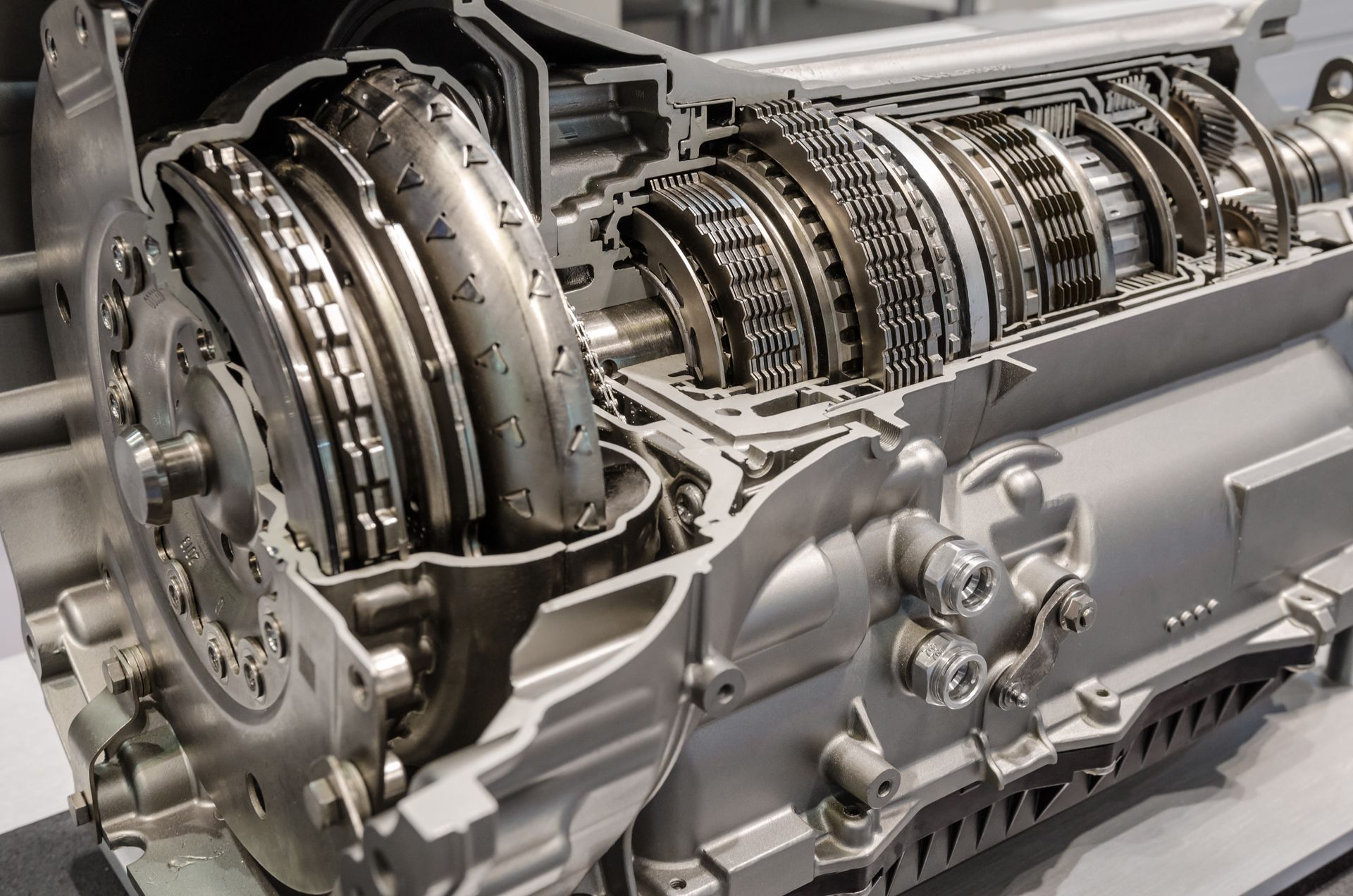
What Does a Transmission Slip Feel Like? | Importsports
July 31, 2026
Learn the signs of a slipping transmission and when to visit Importsports in Denver, CO for professional transmission service.
What Does An Engine Tune-Up Include On Modern Cars? | Importsports
June 30, 2026
The phrase engine tune-up used to mean a fairly predictable list of parts. Spark plugs, wires, distributor parts, timing adjustments, and a few basic checks were the usual routine. Modern cars are different. Many of those older parts are gone, and the engine computer now handles adjustments that once had to be done by hand. That does not mean tune-ups disappeared. They changed. A modern tune-up is more about checking the systems that help the engine start cleanly, idle evenly, use fuel properly, and respond the way it should. Instead of one standard service for every car, it should be based on the vehicle’s mileage, condition, service history, and symptoms. Spark Plugs Still Matter Spark plugs are still one of the most important tune-up parts. They create the spark that ignites the air-fuel mixture in each cylinder. As they wear, the gap can grow, deposits can build up, and the spark may become weaker under load. Worn spark plugs can cause rough starts, poor fuel economy, hesitation, misfires, and a check engine light. On turbocharged or higher-compression engines, weak plugs can show up more quickly during acceleration. Replacing spark plugs at the correct interval helps protect ignition coils and keeps the engine firing cleanly. Ignition Coils Need To Be Checked Modern vehicles commonly use ignition coils instead of older distributor-style ignition parts. These coils create the voltage needed for each spark plug to fire. A weak coil can cause a misfire that feels like shaking, stumbling, or a loss of power. Coils should not be replaced blindly unless the vehicle’s service plan calls for it. A proper inspection can check misfire data, coil performance, plug condition, wiring, and whether the problem occurs on a specific cylinder. That testing helps separate a bad coil from a fuel, air, or compression issue. Air And Cabin Filters Are Part Of The Picture An engine needs clean airflow. A clogged engine air filter can reduce performance, hurt fuel economy, and make the engine work harder than it should. In dusty conditions or heavy city driving, filters can get dirty sooner than expected. A modern tune-up may also include checking the cabin air filter, even though it does not affect engine combustion directly. A clogged cabin filter can reduce airflow through the vents, making the HVAC system feel weak. Filter checks are simple, but they are easy to forget during regular maintenance. Fuel System Checks Can Explain Rough Running Fuel delivery plays a major role in how the engine feels. A weak fuel pump, dirty injectors, a clogged filter on vehicles that have a serviceable one, or poor fuel pressure can cause hard starts, hesitation, rough idle, and weak acceleration. Not every car needs a fuel cleaning service at every tune-up. The smarter approach is to examine symptoms, mileage, fuel-trim data, and injector performance. If the engine is running lean, rich, or unevenly, fuel system testing can help show whether fuel delivery is part of the problem. Sensors And Computer Data Matter More Than Ever Modern engines rely on sensors for nearly every decision. The computer monitors airflow, oxygen content, coolant temperature, throttle position, crankshaft position, camshaft position, fuel pressure, and other readings while the vehicle is running. A tune-up today may include scanning for codes and reviewing live data. That does not mean replacing every sensor that appears in a code. A sensor can fail, but it can also report a real problem somewhere else. Live data helps show whether the engine is breathing, fueling, and warming up the way it should. Fluids, Belts, And Battery Health Still Count A good tune-up should not only focus on spark and fuel. Engine oil condition, coolant level, brake fluid, transmission fluid, belts, hoses, battery condition, and charging system performance can all affect how dependable the vehicle feels. A weak battery can make starting problems look like engine trouble. Low coolant can create heat concerns. Old oil can affect variable valve timing systems on many engines. A cracked belt or an aging hose can cause a normal drive to break down without much warning. The tune-up should include a broader look at the vehicle, not only the parts that fire the cylinders. Symptoms That May Point To A Tune-Up Drivers often ask for a tune-up because the car feels off, but the symptoms can vary. Some are mild. Some are more urgent. Hard starts Rough idle Poor fuel economy Hesitation when accelerating Check engine light Engine shaking Loss of power uphill Fuel smell or misfire codes Those clues help guide the service. A car with a rough idle may need plugs, but it may also need a throttle body cleaning, vacuum leak repair, sensor testing, or injector work. The symptom should shape the tune-up, not the other way around. Why Modern Tune-Ups Should Be Vehicle-Specific Two cars with the same mileage may not need the same work. One may be overdue for spark plugs. Another may need filters, fluid service, or a diagnostic for a stored code . A third may have no major issues but needs a maintenance plan tailored to age and driving habits. That is why modern tune-ups work best when they start with a careful check. The shop should review service history, scan for codes when needed, inspect key parts, and compare recommendations with the manufacturer’s schedule. That approach helps prevent unnecessary parts replacement and keeps the engine care focused. Get Engine Tune-Up Service In Denver, CO, With Importsports If your vehicle has rough starts, poor fuel economy, hesitation, misfires, warning lights, or overdue maintenance, Importsports in Denver, CO, can check the ignition, filters, fuel system, fluids, battery, and related engine data. For modern engine tune-up service that starts with clear testing and a practical inspection, contact us to schedule an appointment .
How Preventive Car Maintenance Helps Keep Your Vehicle Reliable | Importsports
May 29, 2026
ImportSports in Denver, CO, explains how preventive car maintenance helps drivers avoid more serious reliability problems.
How to Prepare Your Vehicle for a Road Trip | Importsports
April 30, 2026
Importsports in Denver, CO, explains how to prepare your vehicle for a safe and stress-free road trip.
What Can a Computer Diagnostic Tell You About Your Car? | Importsports
March 31, 2026
Importsports in Denver, CO, explains what a computer diagnostic can reveal about your car and its hidden problems.
Why There Are So Many Potholes After the Winter and How They Are Ruining Your Car | Importsports
February 27, 2026
Importsports in Denver, CO, explains why winter brings more potholes and how they can damage tires, wheels, and suspension.