Essential Back-to-School Car Safety Checklist for Denver Parents and College Students

July 28, 2025

Summer vacation is ending, and Denver families are preparing for another school year. Whether you're driving kids to their first day at school or your college student is heading back to campus, now is the perfect time to make sure your vehicle is ready for the demands ahead.

Denver's unique driving conditions – from altitude challenges to sudden weather changes – make pre-school car maintenance even more critical. A well-maintained vehicle keeps your family safe and prevents costly breakdowns during the busy school year.

Why August is the Perfect Time for Car Maintenance

Late summer offers ideal timing for vehicle maintenance in Colorado. You've likely put miles on your car during summer road trips, and you want everything working properly before winter weather arrives. Plus, getting maintenance done now means avoiding the rush when everyone needs winter prep services later.

Denver's altitude affects your vehicle differently than lower elevations. Thinner air means your engine works harder, fluids evaporate faster, and temperature swings stress various components. Regular maintenance becomes even more important at 5,280 feet.

Essential Safety Checks Every Parent Should Make

Brake System Inspection

Your brakes are your family's most important safety feature. Have them inspected for pad wear, fluid levels, and proper operation. Denver's hills and mountain driving put extra stress on brake systems, making regular checks essential.

Tire Condition and Pressure

Check tire tread depth using the penny test – insert a penny into the tread with Lincoln's head facing down. If you can see the top of his head, it's time for new tires. Also verify proper air pressure, as Denver's altitude and temperature changes cause pressure fluctuations.

Battery and Electrical System

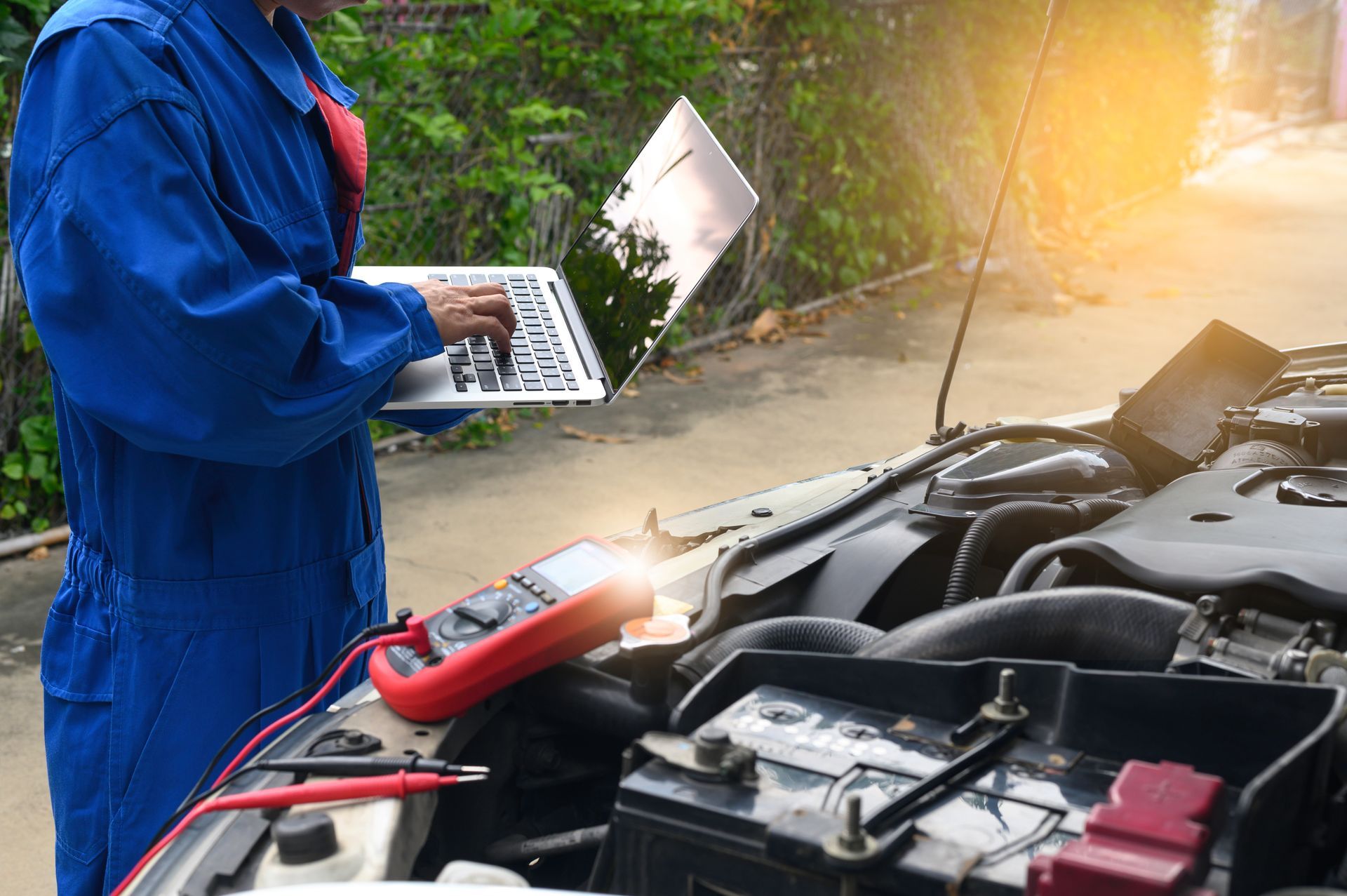
Cold Denver mornings are tough on batteries. Test your battery's charge and clean any corrosion from terminals. Replace batteries over three years old to avoid being stranded on a school morning.

Fluid Levels and Quality

Check engine oil, coolant, brake fluid, and windshield washer fluid. Colorado's dry air and temperature extremes affect fluid levels more than in other climates. Fresh fluids protect your engine and keep systems running smoothly.

College Student Car Preparation

Emergency Kit Essentials

College students should carry basic emergency supplies: jumper cables, tire pressure gauge, flashlight, first aid kit, and emergency contact information. Add warm clothes and blankets for Colorado's unpredictable weather.

Scheduled Maintenance Review

Check when your car is due for oil changes, tire rotations, or other services. Getting maintenance done before heading back to school prevents problems during busy study periods.

Documentation Organization

Make sure registration and insurance cards are current and stored in the vehicle. College students should also have emergency contact numbers easily accessible.

Denver-Specific Considerations

Altitude Adjustments

Cars that spent summer at sea level need time to adjust to Denver's altitude. Watch for changes in engine performance and fuel economy during the first few weeks back.

Weather Preparedness

August in Denver can bring sudden afternoon thunderstorms with hail. Check that your windshield wipers work properly and consider parking in covered areas when possible.

Air Quality Awareness

Denver occasionally experiences air quality alerts that affect vehicle operation. Ensure your cabin air filter is clean to protect your family from poor air quality days.

Monthly Maintenance Habits to Start Now

Visual Inspections

Walk around your car weekly, looking for obvious problems like low tires, fluid leaks, or damage. Catching problems early saves money and prevents roadside emergencies.

Dashboard Warning Lights

Never ignore warning lights on your dashboard. Modern vehicles have sophisticated monitoring systems that alert you to problems before they become expensive failures.

Fuel System Care

Use quality fuel and consider occasional fuel system cleaners to keep your engine running efficiently. Denver's altitude can affect fuel combustion, making clean fuel systems more important.

Creating a School Year Service Schedule

Plan maintenance around your family's schedule. School pick-up times, after-school activities, and weekend commitments make it harder to find time for car service. Schedule routine maintenance during less busy periods.

Keep a simple log of services performed and when the next ones are due. Many modern vehicles have maintenance reminders, but tracking services yourself helps ensure nothing gets overlooked.

Signs You Shouldn't Ignore

If your car shows any of these warning signs, address them immediately:

  • Strange noises when starting or driving
  • Vibrations while braking or at highway speeds
  • Difficulty starting, especially on cold mornings
  • Unusual smells from the engine or exhaust
  • Any dashboard warning lights

Make Back-to-School Car Safety a Priority

A reliable vehicle gives you peace of mind during the hectic school year. Whether you're dropping kids at elementary school or your teenager is driving themselves, proper maintenance prevents dangerous situations and costly repairs.

Regular maintenance also improves fuel economy – important as gas prices fluctuate and families manage tight budgets during the school year.

Ready to Get Your Family Vehicle School-Ready?

Don't let car troubles disrupt your family's school year routine. At ImportSports Performance, our ASE Certified technicians provide comprehensive back-to-school vehicle inspections and maintenance services. We've been keeping Denver families safe on the road since 1997, and we know how altitude and Colorado weather affect your vehicle.

From brake inspections to battery testing, we'll make sure your car is ready for everything the school year brings. Our 36-Month/36k-Mile Warranty gives you confidence in every service we perform.

Call us today at (303) 752-2422 to schedule your back-to-school safety inspection. Located at 7667 E Iliff Ave, we're conveniently positioned to serve Denver and surrounding communities. Let us help keep your family safe and your vehicle reliable throughout the school year.
What Does An Engine Tune-Up Include On Modern Cars? | Importsports
June 30, 2026
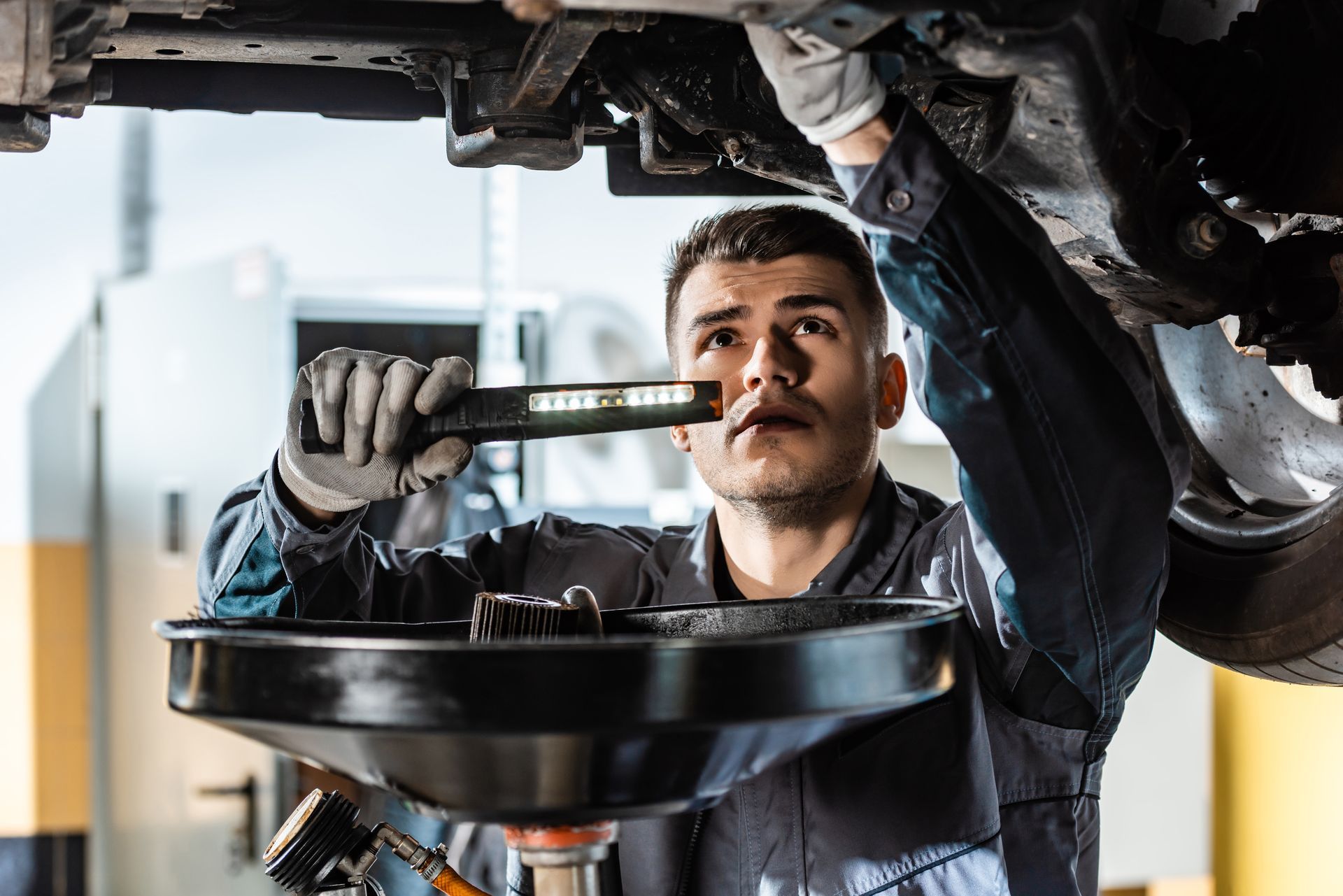
The phrase engine tune-up used to mean a fairly predictable list of parts. Spark plugs, wires, distributor parts, timing adjustments, and a few basic checks were the usual routine. Modern cars are different. Many of those older parts are gone, and the engine computer now handles adjustments that once had to be done by hand. That does not mean tune-ups disappeared. They changed. A modern tune-up is more about checking the systems that help the engine start cleanly, idle evenly, use fuel properly, and respond the way it should. Instead of one standard service for every car, it should be based on the vehicle’s mileage, condition, service history, and symptoms. Spark Plugs Still Matter Spark plugs are still one of the most important tune-up parts. They create the spark that ignites the air-fuel mixture in each cylinder. As they wear, the gap can grow, deposits can build up, and the spark may become weaker under load. Worn spark plugs can cause rough starts, poor fuel economy, hesitation, misfires, and a check engine light. On turbocharged or higher-compression engines, weak plugs can show up more quickly during acceleration. Replacing spark plugs at the correct interval helps protect ignition coils and keeps the engine firing cleanly. Ignition Coils Need To Be Checked Modern vehicles commonly use ignition coils instead of older distributor-style ignition parts. These coils create the voltage needed for each spark plug to fire. A weak coil can cause a misfire that feels like shaking, stumbling, or a loss of power. Coils should not be replaced blindly unless the vehicle’s service plan calls for it. A proper inspection can check misfire data, coil performance, plug condition, wiring, and whether the problem occurs on a specific cylinder. That testing helps separate a bad coil from a fuel, air, or compression issue. Air And Cabin Filters Are Part Of The Picture An engine needs clean airflow. A clogged engine air filter can reduce performance, hurt fuel economy, and make the engine work harder than it should. In dusty conditions or heavy city driving, filters can get dirty sooner than expected. A modern tune-up may also include checking the cabin air filter, even though it does not affect engine combustion directly. A clogged cabin filter can reduce airflow through the vents, making the HVAC system feel weak. Filter checks are simple, but they are easy to forget during regular maintenance. Fuel System Checks Can Explain Rough Running Fuel delivery plays a major role in how the engine feels. A weak fuel pump, dirty injectors, a clogged filter on vehicles that have a serviceable one, or poor fuel pressure can cause hard starts, hesitation, rough idle, and weak acceleration. Not every car needs a fuel cleaning service at every tune-up. The smarter approach is to examine symptoms, mileage, fuel-trim data, and injector performance. If the engine is running lean, rich, or unevenly, fuel system testing can help show whether fuel delivery is part of the problem. Sensors And Computer Data Matter More Than Ever Modern engines rely on sensors for nearly every decision. The computer monitors airflow, oxygen content, coolant temperature, throttle position, crankshaft position, camshaft position, fuel pressure, and other readings while the vehicle is running. A tune-up today may include scanning for codes and reviewing live data. That does not mean replacing every sensor that appears in a code. A sensor can fail, but it can also report a real problem somewhere else. Live data helps show whether the engine is breathing, fueling, and warming up the way it should. Fluids, Belts, And Battery Health Still Count A good tune-up should not only focus on spark and fuel. Engine oil condition, coolant level, brake fluid, transmission fluid, belts, hoses, battery condition, and charging system performance can all affect how dependable the vehicle feels. A weak battery can make starting problems look like engine trouble. Low coolant can create heat concerns. Old oil can affect variable valve timing systems on many engines. A cracked belt or an aging hose can cause a normal drive to break down without much warning. The tune-up should include a broader look at the vehicle, not only the parts that fire the cylinders. Symptoms That May Point To A Tune-Up Drivers often ask for a tune-up because the car feels off, but the symptoms can vary. Some are mild. Some are more urgent. Hard starts Rough idle Poor fuel economy Hesitation when accelerating Check engine light Engine shaking Loss of power uphill Fuel smell or misfire codes Those clues help guide the service. A car with a rough idle may need plugs, but it may also need a throttle body cleaning, vacuum leak repair, sensor testing, or injector work. The symptom should shape the tune-up, not the other way around. Why Modern Tune-Ups Should Be Vehicle-Specific Two cars with the same mileage may not need the same work. One may be overdue for spark plugs. Another may need filters, fluid service, or a diagnostic for a stored code . A third may have no major issues but needs a maintenance plan tailored to age and driving habits. That is why modern tune-ups work best when they start with a careful check. The shop should review service history, scan for codes when needed, inspect key parts, and compare recommendations with the manufacturer’s schedule. That approach helps prevent unnecessary parts replacement and keeps the engine care focused. Get Engine Tune-Up Service In Denver, CO, With Importsports If your vehicle has rough starts, poor fuel economy, hesitation, misfires, warning lights, or overdue maintenance, Importsports in Denver, CO, can check the ignition, filters, fuel system, fluids, battery, and related engine data. For modern engine tune-up service that starts with clear testing and a practical inspection, contact us to schedule an appointment .
How Preventive Car Maintenance Helps Keep Your Vehicle Reliable | Importsports
May 29, 2026
ImportSports in Denver, CO, explains how preventive car maintenance helps drivers avoid more serious reliability problems.
How to Prepare Your Vehicle for a Road Trip | Importsports
April 30, 2026
Importsports in Denver, CO, explains how to prepare your vehicle for a safe and stress-free road trip.
What Can a Computer Diagnostic Tell You About Your Car? | Importsports
March 31, 2026
Importsports in Denver, CO, explains what a computer diagnostic can reveal about your car and its hidden problems.
Why There Are So Many Potholes After the Winter and How They Are Ruining Your Car | Importsports
February 27, 2026
Importsports in Denver, CO, explains why winter brings more potholes and how they can damage tires, wheels, and suspension.
Person holding a tablet displaying a 3D car model with diagnostic data. | Importsports
February 3, 2026
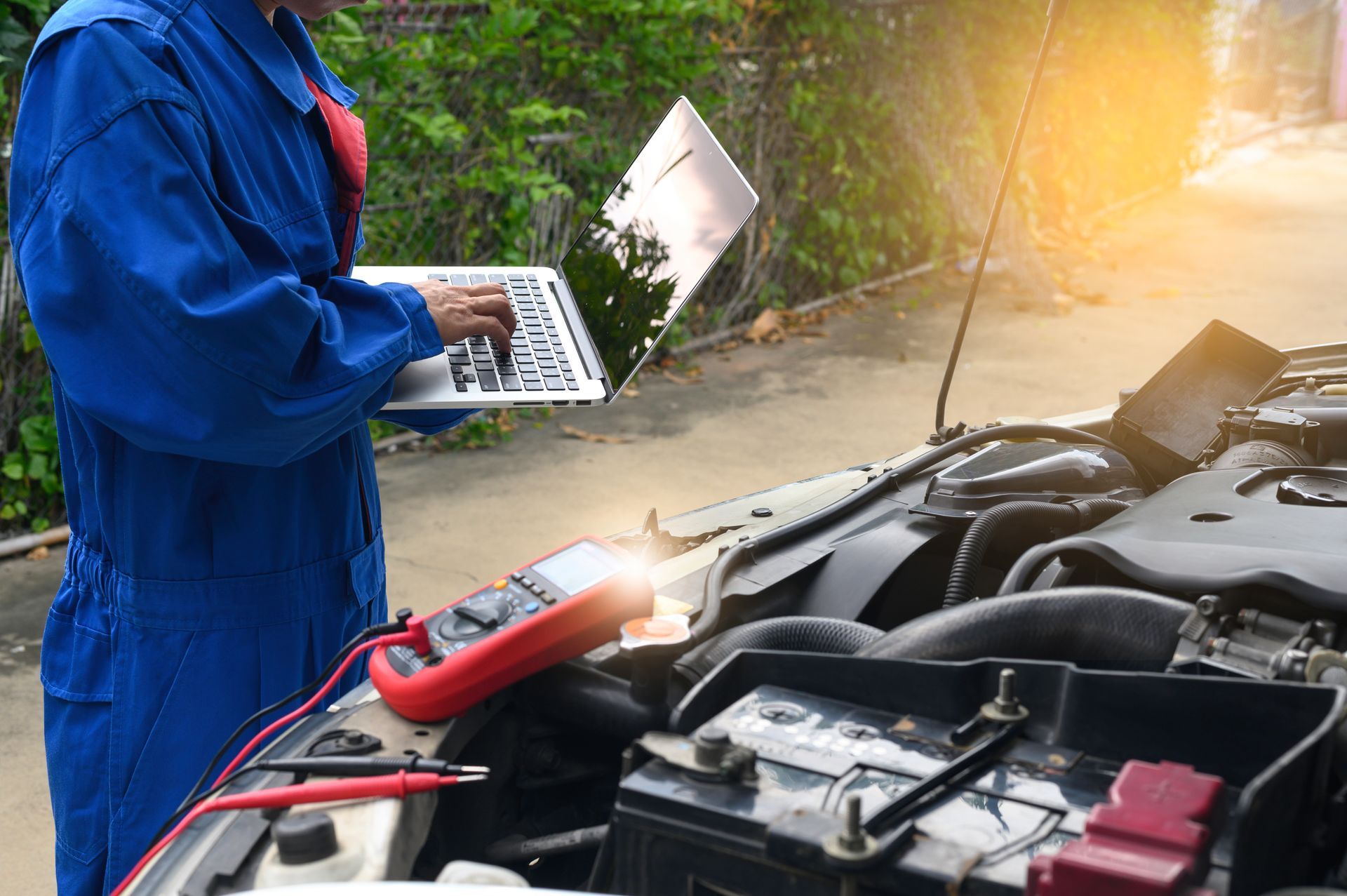
At Importsports in Denver, CO, we understand the intricacies of vehicle care and maintenance. Among the array of services we offer, auto diagnostics stand as a cornerstone for ensuring optimal vehicle health. But what exactly is auto diagnostics, and why is it crucial for your car's performance? The Importance of Auto Diagnostics Auto diagnostics are vital for identifying issues within your vehicle that are not immediately visible. Modern cars are equipped with complex computer systems that control everything from engine operation to climate control. When something goes awry, these systems generate codes that can be read with specialized equipment, allowing us to pinpoint problems efficiently. How Diagnostics Work Using advanced diagnostic tools, our experts at Importsports delve into your vehicle's electronic systems. By connecting a diagnostic scanner to your car's onboard computer, we retrieve trouble codes that point us in the direction of potential issues. This method is not only precise but also time-saving, which means we can get you back on the road quickly. Common Diagnostic Services When you bring your car to Importsports in Denver, CO, for a diagnostics check, here are some common services we provide: 1. Check Engine Light Analysis The check engine light is often the first sign that something isn't quite right. Our diagnostics can identify if it’s a minor issue like a loose gas cap or something more significant like a malfunctioning sensor. 2. Emissions System Testing Colorado enforces stringent emissions standards, and our diagnostics can ensure your vehicle meets these regulations. We check for issues that might cause your vehicle to fail an emissions test, saving you time and frustration. 3. Transmission Diagnostics A well-functioning transmission is essential for smooth vehicle operation. Our diagnostic tools can reveal issues such as slipping gears or delayed shifting, allowing us to address them effectively. 4. Fuel Efficiency Analysis Everyone loves saving money at the pump. Our diagnostics can uncover issues affecting your vehicle’s fuel efficiency, ensuring you get the most out of every gallon. Benefits of Regular Diagnostics Why should diagnostics be a routine part of your vehicle’s maintenance? Here are a few reasons: Prevent Costly Repairs By catching issues early, diagnostics can help prevent minor problems from turning into expensive repairs. Enhance Safety Addressing diagnostic issues ensures your car remains safe and reliable, protecting you and your loved ones on the road. Extend Vehicle Lifespan Regular diagnostics contribute significantly to your vehicle’s longevity, ensuring you enjoy your investment for as long as possible. Why Choose Importsports? We pride ourselves on delivering top-notch diagnostics services in Denver, CO. Our team combines extensive experience with cutting-edge technology to offer unmatched precision and reliability. Visit Importsports today and experience our commitment to excellence firsthand. We’re here to ensure your vehicle remains in peak condition, mile after mile.