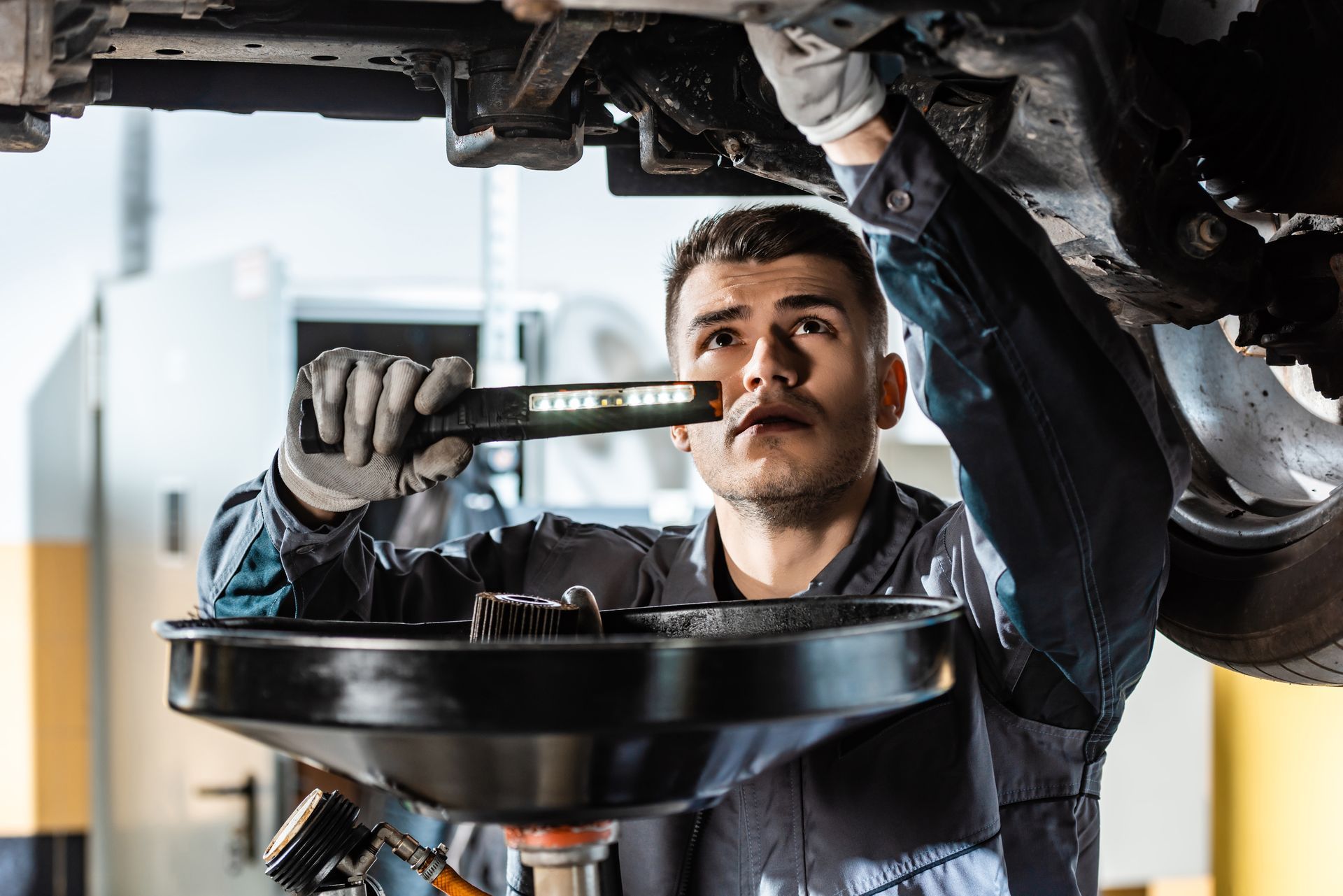
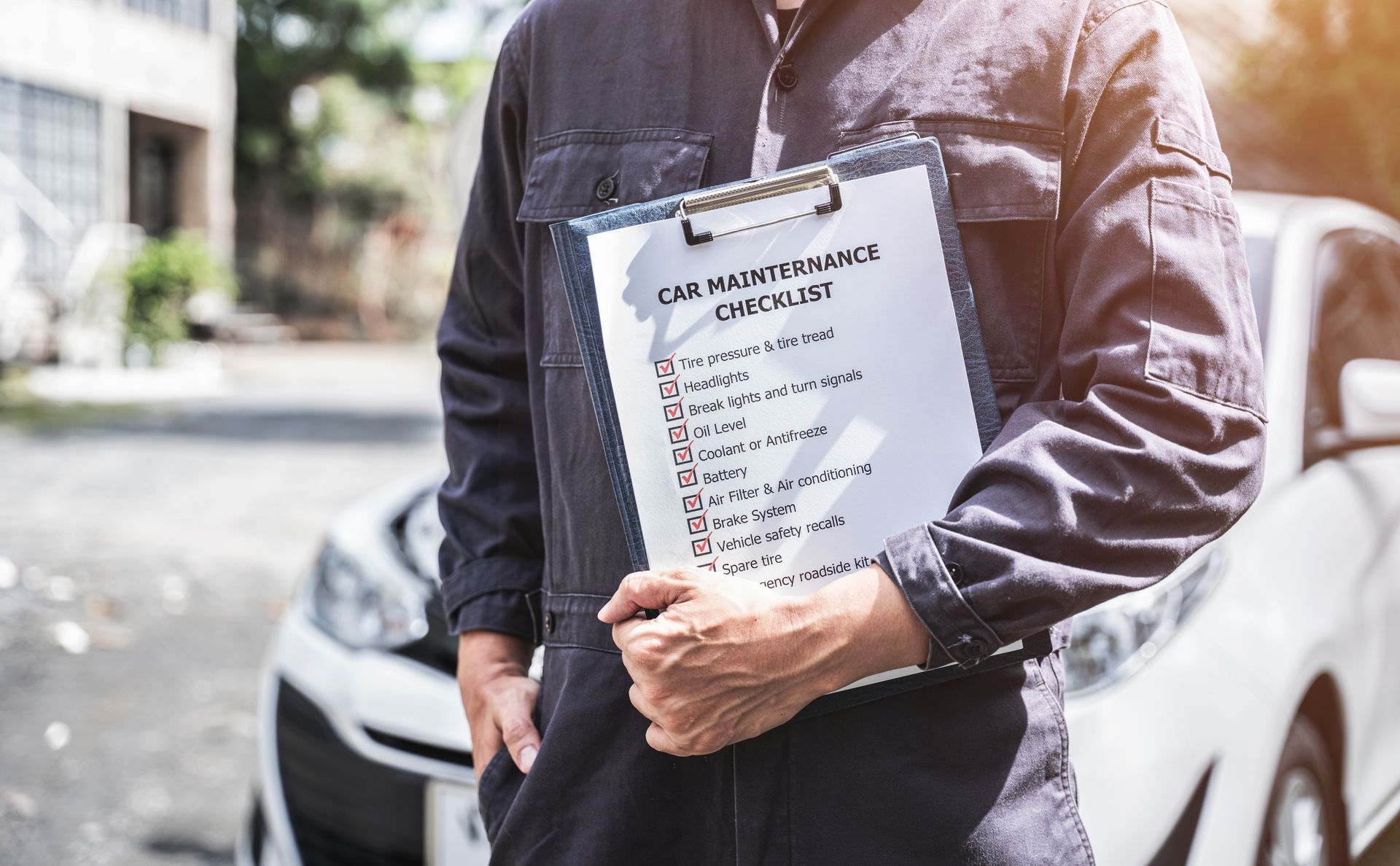
When your Honda starts making strange noises or your BMW's check engine light comes on, you face a critical decision: take it to the convenient general auto repair shop down the street, or drive across town to an import specialist?
In Denver's competitive auto repair market, this choice can mean the difference between a quick fix and a lasting solution—or worse, between affordable repair and expensive damage caused by improper service. Understanding why import specialists consistently deliver better results can save you significant money and frustration.
The General Auto Shop Promise vs. Reality
Many general auto repair shops in Denver advertise "all makes and models" service, creating the impression that any qualified mechanic can work on any vehicle. This sounds convenient and often appears cheaper upfront, but the reality is more complex.
The Jack-of-All-Trades Problem General shops spread their expertise thin across dozens of different vehicle brands and systems. While their technicians might be competent with basic repairs, they often lack the deep, brand-specific knowledge that modern imports require. A mechanic who works on Ford trucks all week might struggle with Honda's VTEC engine technology or BMW's complex electronic systems.
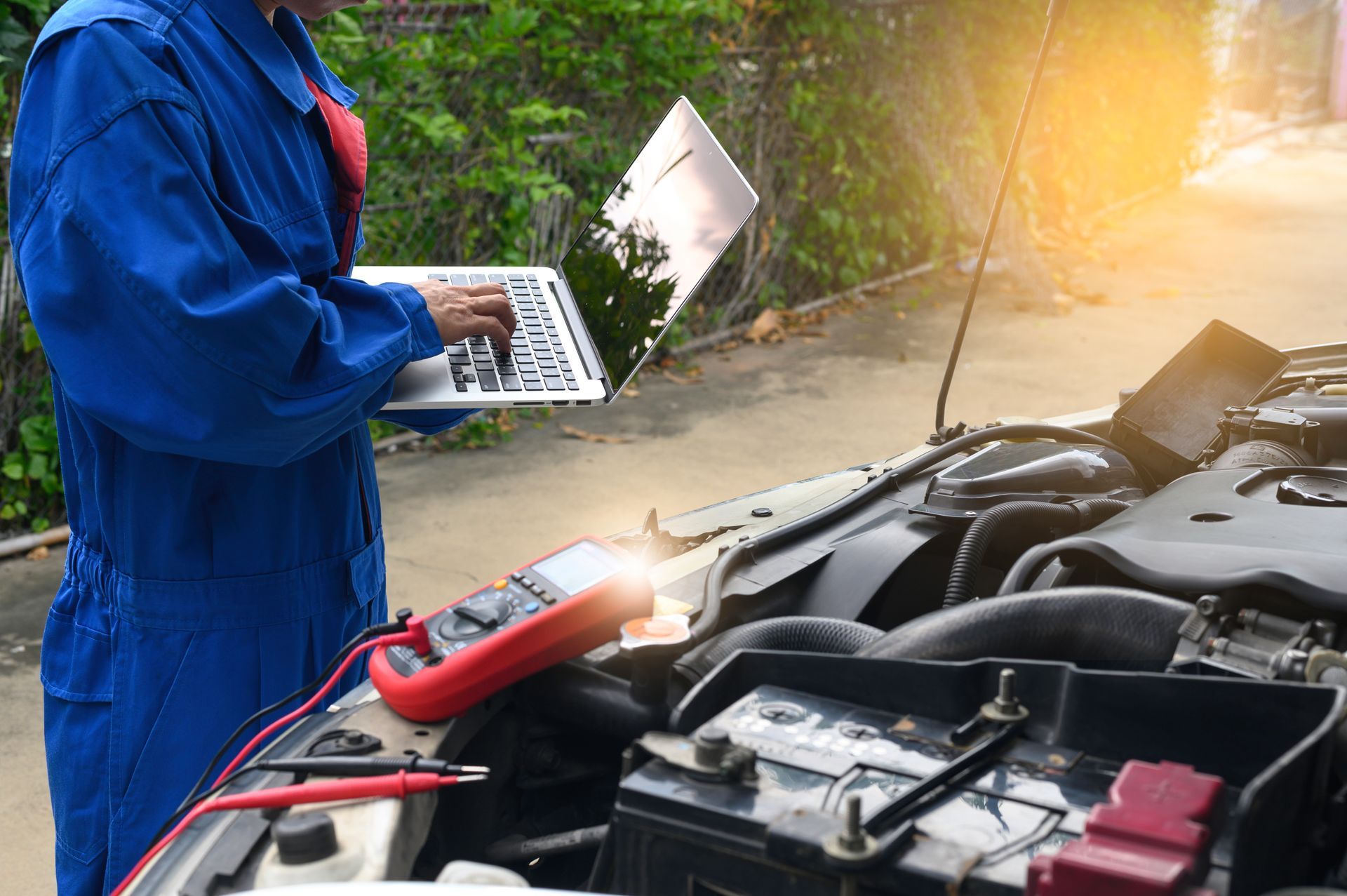
Limited Diagnostic Capabilities Most general shops rely on universal diagnostic scanners that can read basic trouble codes but miss the deeper information that manufacturer-specific equipment provides. Your Toyota might show a generic "oxygen sensor" code, but only Honda/Toyota-specific diagnostic tools reveal the real problem—a complex air/fuel mixture issue requiring specific procedures.
One-Size-Fits-All Approach General shops often apply American automotive repair logic to import vehicles. This approach can work for basic maintenance but fails when dealing with the sophisticated engineering that makes imports different. Using the wrong torque specifications or repair procedures can damage expensive import components.
What Import Specialists Bring to the Table
Import specialists focus exclusively on foreign vehicles, developing expertise that general shops simply can't match.
Deep Brand Knowledge Import specialists invest time learning the intricacies of specific brands. They understand why Honda uses different oil specifications than Toyota, or why BMW cooling systems require special bleeding procedures. This knowledge prevents costly mistakes and ensures repairs are done right the first time.
Manufacturer-Specific Equipment Quality import specialists invest in brand-specific diagnostic tools, special fixtures, and unique tools required for proper import service. This equipment often costs $20,000-50,000 per brand—an investment that general shops rarely make.
Access to Technical Information Import specialists subscribe to manufacturer databases containing detailed repair procedures, technical service bulletins, and recall information. This access ensures they're aware of known issues and proper solutions for your specific vehicle.
Specialized Training Many import specialists pursue manufacturer training and certifications that keep them current with evolving technology. This ongoing education is critical as imports become increasingly sophisticated.
The True Cost Comparison
Many Denver drivers choose general shops believing they'll save money, but this assumption often proves false.
Hidden Costs of Incorrect Diagnosis General shops might charge $150 for diagnostics but miss the real problem, leading to unnecessary parts replacement and multiple return visits. Import specialists typically charge $175-250 for diagnostics but identify problems accurately the first time.
Parts Quality and Compatibility General shops often substitute generic parts to reduce costs, but these alternatives can cause premature failures in sophisticated import systems. Import specialists understand which parts are critical to use OEM specifications and which can safely use quality alternatives.
Warranty and Comeback Issues When general shop repairs fail, you face additional costs for repeated repairs. Quality import specialists stand behind their work with comprehensive warranties because they're confident in their expertise.
Denver-Specific Import Challenges
Colorado's environment creates unique challenges that require specialized understanding:
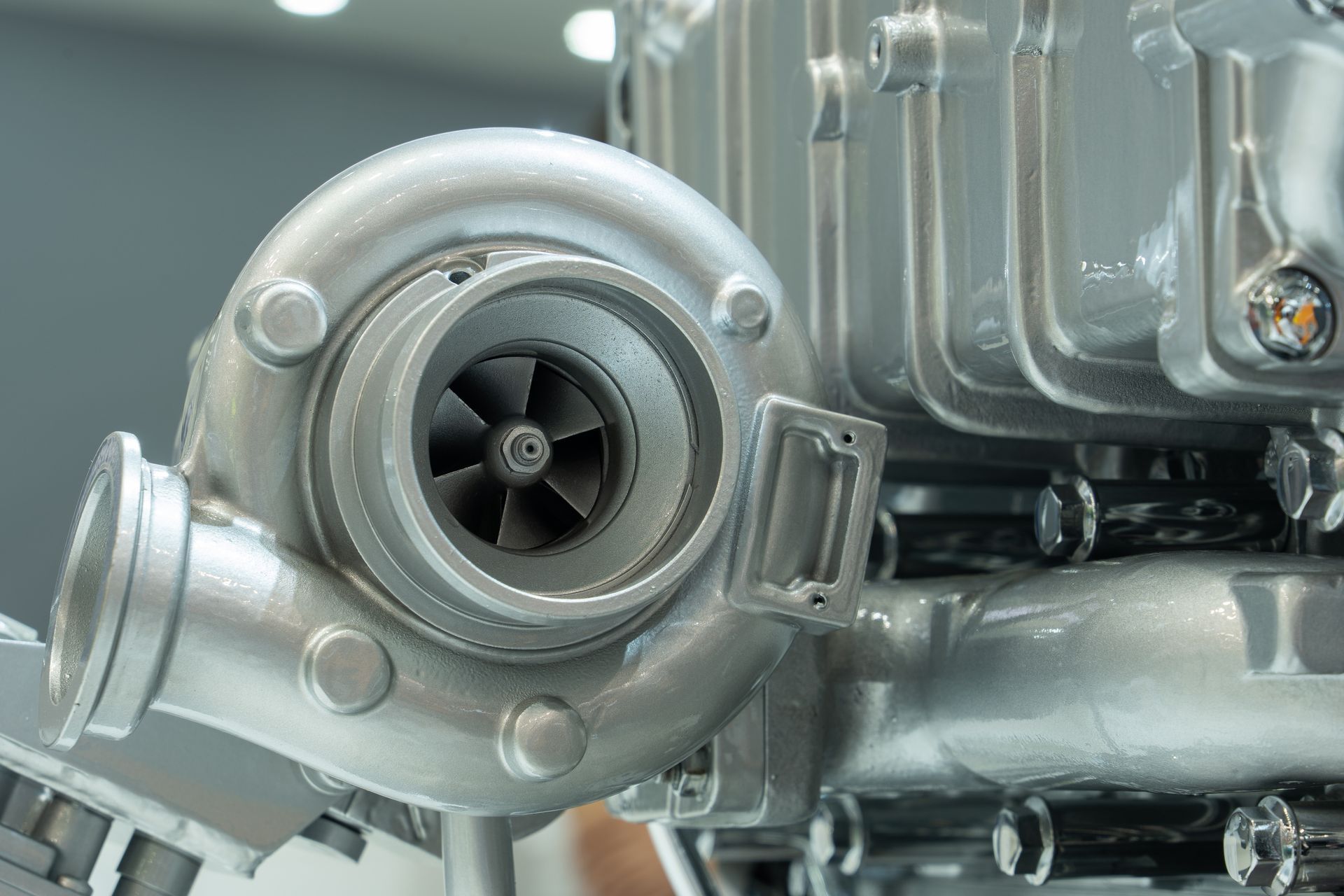
Altitude Effects on Turbo Engines Many modern imports use turbocharged engines that behave differently at Denver's elevation. Import specialists understand how to adjust fuel maps, diagnose altitude-related performance issues, and service turbo systems that work harder in thin air.
Temperature Extreme Stress Denver's 60-degree daily temperature swings stress import cooling systems, electronics, and sealing components in specific ways. Import specialists know which Honda models have cooling system vulnerabilities or which BMW electronic modules fail more frequently in extreme temperatures.
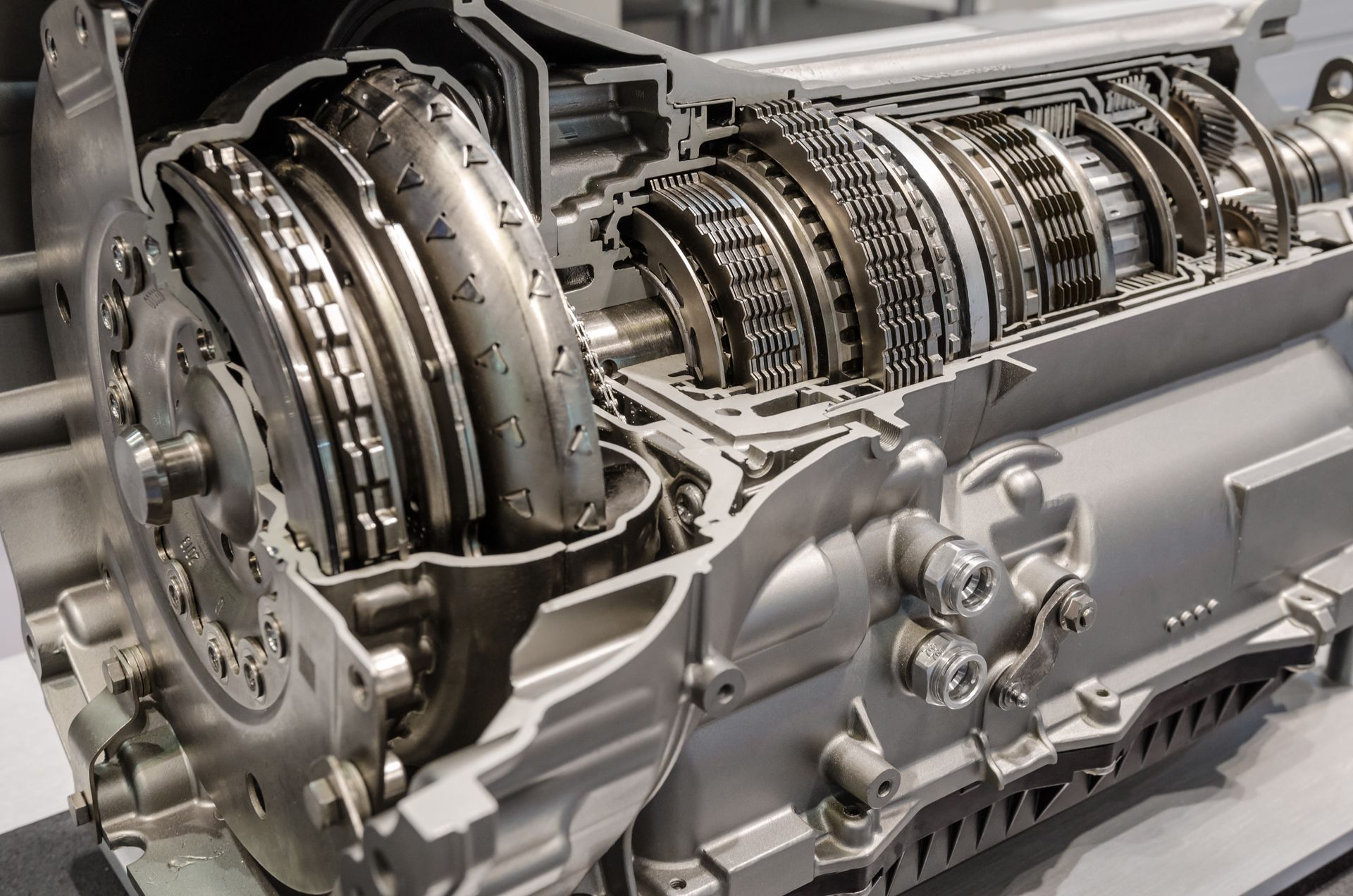
Mountain Driving Wear Patterns Colorado's steep grades create unique wear patterns on import all-wheel-drive systems, brakes, and transmissions. Import specialists recognize these patterns and know which preventive maintenance schedules work best for mountain driving.
Corrosion from Road Treatments Winter chemicals used on Denver roads affect different import brands in various ways. Specialists understand which Honda models have vulnerable brake lines or which European vehicles need additional corrosion protection.
Real-World Consequences of the Wrong Choice
Choosing the wrong shop can have serious consequences for import owners:
Expensive Diagnostic Failures A general shop might spend hours trying to diagnose a BMW electronic issue that an import specialist would identify in 30 minutes with proper equipment. The difference could be $800 in unnecessary labor charges.
Warranty Violations Improper service procedures can void import warranties. General shops might not understand manufacturer requirements for maintaining warranty coverage.
Safety Concerns Incorrect brake service procedures or improper suspension work can create serious safety hazards. Import specialists understand the specific procedures required for different brands.
Reduced Resale Value Poor service records, incorrect parts usage, or incomplete repairs can significantly impact your import's resale value. Documentation of proper specialist service protects your investment.
How to Identify Quality Import Specialists in Denver
Not all shops claiming import expertise actually have it. Look for these qualifications:
ASE Certifications in relevant specialties, plus manufacturer-specific training certificates.
Proper Equipment including brand-specific diagnostic scanners and specialized tools.
Experience with Your Brand demonstrated through customer reviews and technician knowledge.
Factory Training Documentation showing ongoing education and certification.
Warranty Backing that demonstrates confidence in their work quality.
The Investment Protection Factor
Your import vehicle represents a significant investment that deserves protection. Import specialists understand the interconnected nature of modern vehicle systems and how to maintain them for maximum longevity and reliability.
They know which maintenance items are critical for your specific model, which problems to watch for based on mileage and age, and how to prevent small issues from becoming expensive failures.
Making the Smart Choice
The decision between general auto repair and import specialists isn't just about immediate costs—it's about long-term vehicle reliability, safety, and value preservation. In Denver's challenging environment, the expertise difference becomes even more critical.
Quality import specialists might charge slightly more for routine services, but they typically save money through accurate diagnosis, proper procedures, and quality work that doesn't need to be repeated.
Denver's Trusted Import Specialists Since 1997
At Importsports Auto Repair Pros & Performance, we've dedicated nearly three decades to mastering European and Japanese import service exclusively. Our ASE Certified technicians have the manufacturer-specific training, factory diagnostic equipment, and specialized knowledge that your import needs to thrive in Denver's challenging environment.
We've seen the consequences when import owners trust their sophisticated vehicles to general repair shops. That's why we've invested in the training, equipment, and expertise necessary to service your Honda, BMW, Toyota, Audi, or other import correctly the first time.
Don't gamble with your import's reliability and value. Contact us today at (303) 752-2422
or book your import service appointment online. Experience the difference that true import specialization makes for your vehicle's performance, safety, and longevity.