Potholes tend to show up in clusters right when you are ready for easier driving again. A route that felt fine in the fall can suddenly feel like it has an obstacle course, even if you never saw road crews. The frustrating part is that the car can take a few hits and still seem okay.
Winter sets up potholes in a very specific way, and those same forces are why the damage to your car can hide for a while.
Winter Turns Small Cracks Into Big Holes
Most pavement already has tiny cracks, patched seams, and weak edges before the first freeze. Cold weather stiffens the surface, so it has less give when weight rolls over those weak spots. Over time the crack spreads, the edge crumbles, and the surface starts breaking away.
Once that top layer is compromised, traffic peels it back. Heavy vehicles speed it up. One bad week of storms can do months of wear.
Freeze Cycles And Road Salt Work Together
Water is the main troublemaker because it slips into cracks, then expands when it freezes. That expansion widens the crack, and the next thaw lets even more water seep in. Repeat that cycle enough times, and the road starts separating into layers.
De-icing chemicals and plows add stress too. Salt keeps moisture active, and repeated scraping and vibration can finish off weakened patches. Many winter repairs are quick patches that do not last long.
What A Pothole Hit Can Do In One Second
A pothole impact is a sharp upward blow that compresses the tire and forces the wheel to take the remaining load. That force travels into the hub, steering links, and suspension joints faster than you can react. Even one hit can shift something slightly, and a rough commute can stack those hits.
If you are trying to decide whether a hit matters, watch for changes that show up afterward:
- A steering wheel shake that starts suddenly
- The car drifting or pulling on a straight road
- A tire losing air faster than the others
- A clunk or rattle over smaller bumps
- A vibration that appears when braking
None of these guarantees a major issue, but they are strong hints that something bent, loosened, or moved. Matching the symptom to when it started is often the quickest way to narrow it down. Waiting tends to make the trail harder to follow.
Tires And Wheels Take The First Punch
Tires can be damaged internally without an obvious cut. The sidewall can bruise or the belts can separate, and the tire may start wobbling at speed. A slow leak can also start at the bead area where the tire seals to the wheel.
Wheels often bend at the lip, and a small bend can still cause vibration and balancing trouble. Cracks can happen as well, especially with low-profile tires and sharp-edged potholes. If one tire keeps needing air, the tire and wheel should be checked together.
Alignment And Suspension Wear Starts Quietly
A pothole does not have to break a part to cost you money. A small alignment change can start chewing through tread, and you might not notice until the tire looks uneven. Steering can also feel different, like the wheel sits off-center or the car feels less settled at highway speed.
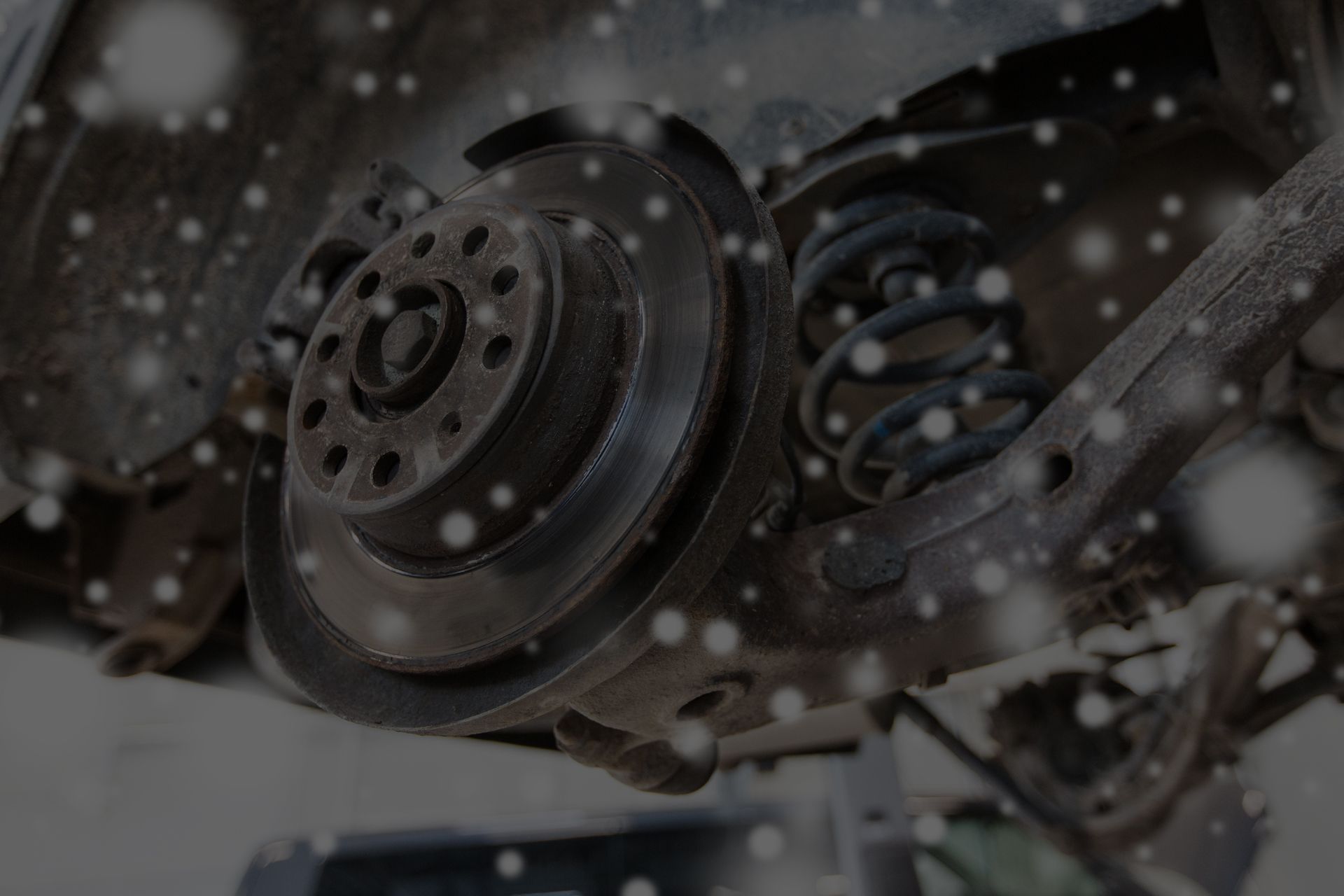
Suspension joints and bushings can take a hit too, especially tie rod ends, ball joints, control arm bushings, and struts. Sometimes you hear a clunk, sometimes it is just a loose feel over rough pavement. This is where an inspection pays off because you can catch looseness early and prevent uneven wear.
Smart Steps After A Hard Hit
Start with the basics as soon as you can. Look for sidewall bubbles, check the wheel lip for bends, and verify tire pressure when the tires are cold. If the car starts pulling or shaking, avoid high speeds until you know what changed.
Next, treat pothole season as a cue to tighten up the simple checks. Keep tire pressures correct, rotate tires on schedule, and watch for fresh wear patterns. Staying consistent with regular maintenance is often what keeps a pothole hit from turning into repeat tire replacements.
Get Pothole Damage Repair In Denver, CO, With Importsports
If winter potholes have your car pulling, vibrating, or losing air, Importsports can check the tires, wheels, and suspension points that take the hit and help you prioritize the right repair.
Bring it in before the next round of rough roads makes the fix more expensive.