Denver's streets are filled with import vehicles—from reliable Hondas and Toyotas to luxury BMWs and Mercedes-Benz models. If you drive an import in the Mile High City, you've probably wondered whether any auto shop can handle your vehicle's needs. The truth is, import vehicles require specialized knowledge, tools, and experience that most general repair shops simply don't have. When you're dealing with Colorado's demanding driving conditions, choosing the right repair specialist can mean the difference between reliable transportation and costly breakdowns.
Why Import Vehicles Are Different
Import vehicles aren't just cars built in other countries—they're engineered with different philosophies, standards, and technologies than their American counterparts.
Unique Engineering Approaches European manufacturers prioritize performance and luxury, creating complex systems that integrate multiple functions. A BMW's air conditioning might share components with the engine cooling system. Mercedes-Benz vehicles use sophisticated electronics that control everything from transmission shifts to suspension adjustments.
Japanese manufacturers focus on efficiency and reliability, but they still use engineering approaches that differ significantly from American designs. Honda's VTEC engines operate differently than traditional American V8s. Toyota's hybrid systems require specialized knowledge that generic shops rarely possess.
Different Manufacturing Standards Import vehicles often use metric measurements, unique fasteners, and specialized procedures. A bolt that looks standard might have reverse threads or require a specific torque sequence. Using the wrong approach can damage expensive components or create safety hazards.
Advanced Technology Integration Modern imports pack more sophisticated technology into smaller packages. A simple oil change on a European vehicle might require computer programming to reset service indicators. Japanese hybrids need specialized safety procedures to avoid dangerous electrical shock.
The Generic Shop Problem
Many Denver auto shops advertise that they work on "all makes and models." While well-intentioned, this approach often falls short when dealing with import vehicles.
Limited Diagnostic Capabilities Generic scan tools can read basic trouble codes, but they often miss critical information that manufacturer-specific equipment would catch. A Honda showing a generic "oxygen sensor" code might actually have a complex air/fuel mixture problem that requires Honda-specific diagnostics to properly identify.
Inadequate Technical Information Import manufacturers use different service procedures, specifications, and repair techniques. A technician familiar with American vehicles might not know that certain European engines require special procedures to prevent expensive damage during routine maintenance.
Wrong Parts, Wrong Results Using generic or incorrect parts in import vehicles often creates more problems than it solves. Import systems are engineered to work with specific components. Substituting "equivalent" parts can cause premature failures, poor performance, or safety issues.
Incomplete Repairs Without proper technical knowledge, generic shops often fix symptoms rather than root causes. They might replace a failed component without addressing why it failed, leading to repeated problems and frustrated customers.
Denver's Unique Import Challenges
Colorado's environment creates specific challenges that require import specialists who understand how these conditions affect different vehicle systems.
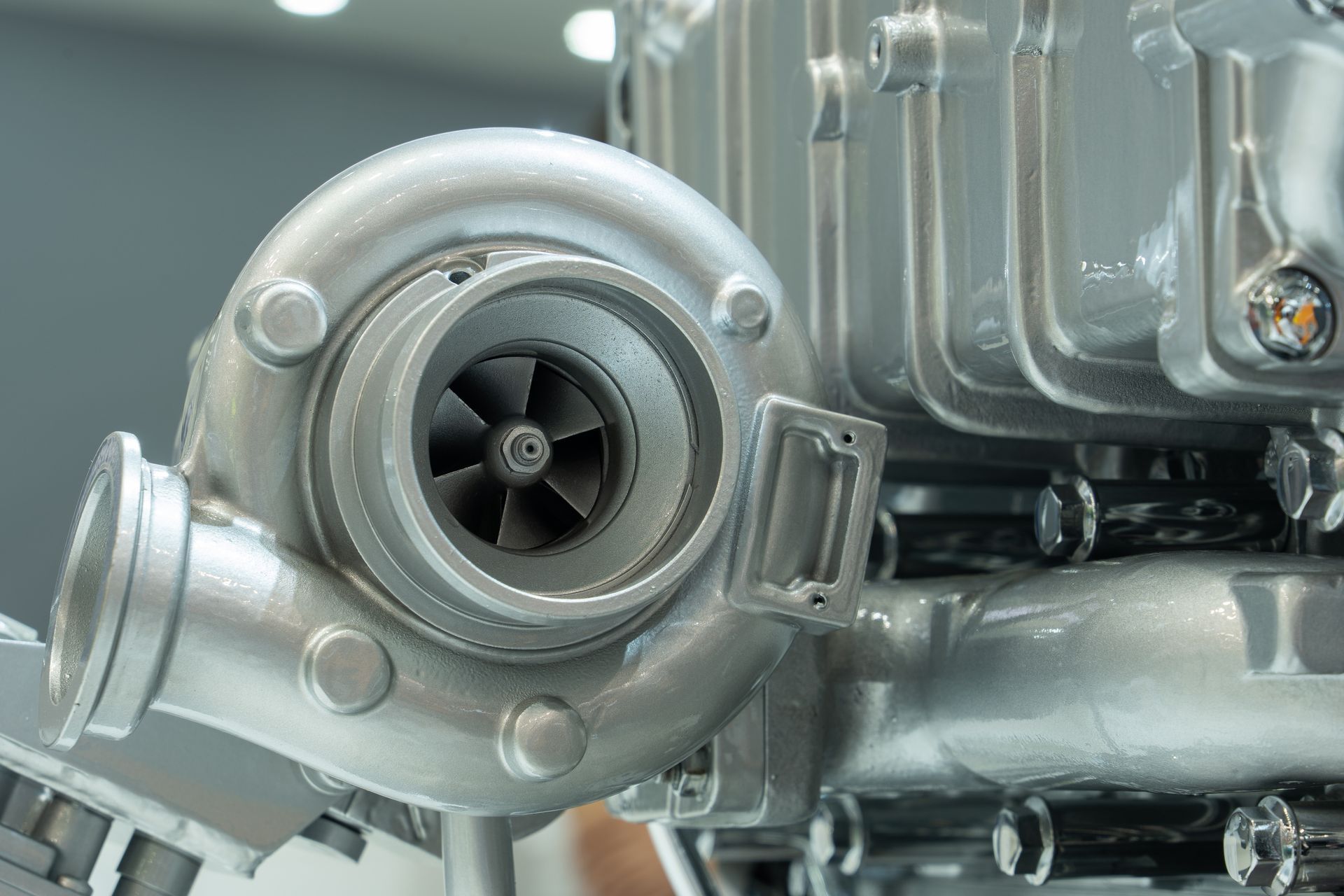
Altitude Effects on Performance Denver's thin air affects import engines differently than domestic ones. European turbo engines may develop carbon buildup faster at altitude. Japanese naturally aspirated engines might need different tuning approaches. Import specialists understand these nuances and adjust their service accordingly.
Temperature Extreme Stress Our wild temperature swings stress import cooling systems, electronics, and rubber components in unique ways. European vehicles with aluminum engines are particularly sensitive to overheating. Japanese vehicles with precise fuel injection systems need different care in extreme cold.
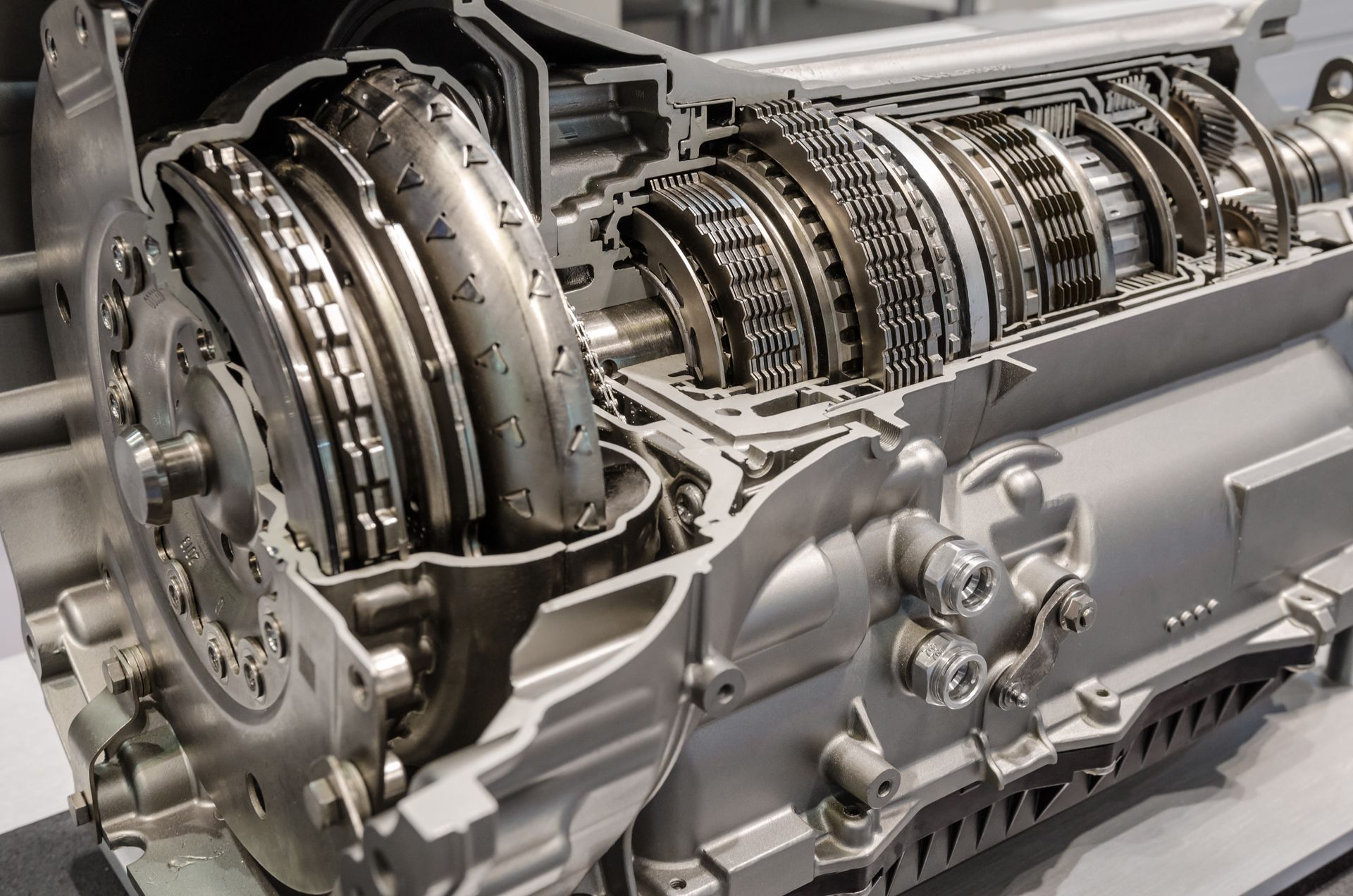
Mountain Driving Demands Colorado's steep grades put extra demands on import braking systems, transmissions, and all-wheel-drive components. Import specialists understand how these systems work and what maintenance they need to handle mountain driving safely.
Corrosion from Winter Treatments Salt and magnesium chloride used on Denver roads affect import vehicles differently than domestic ones. European vehicles with aluminum components need special protection. Japanese vehicles with different steel formulations require specific corrosion prevention approaches.
What Makes an Import Specialist Different
True import specialists bring several advantages that generic shops can't match:
Manufacturer-Specific Training Import specialists invest in ongoing training directly from manufacturers. They understand the latest technical bulletins, service procedures, and recall information that affects your vehicle.
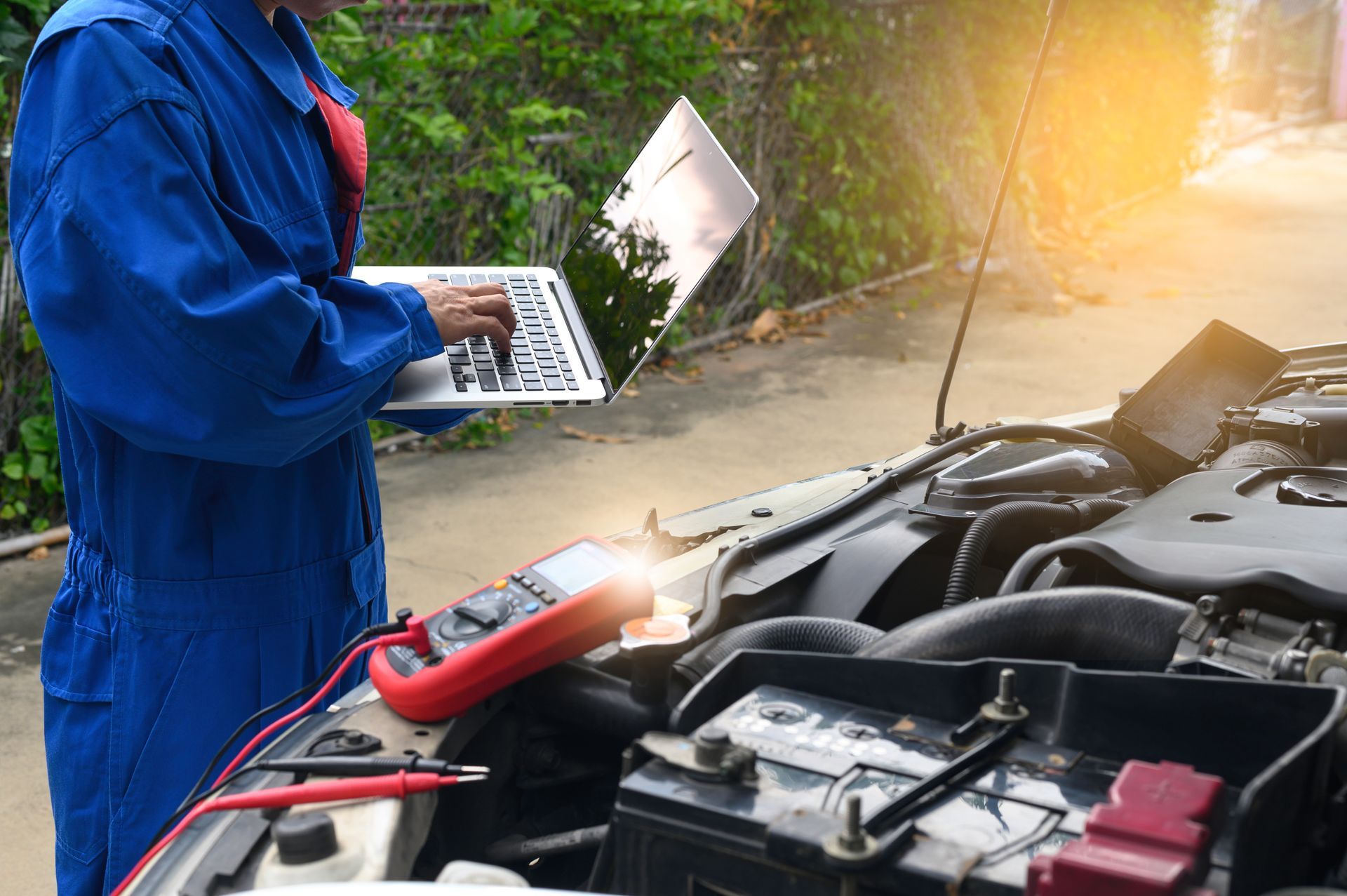
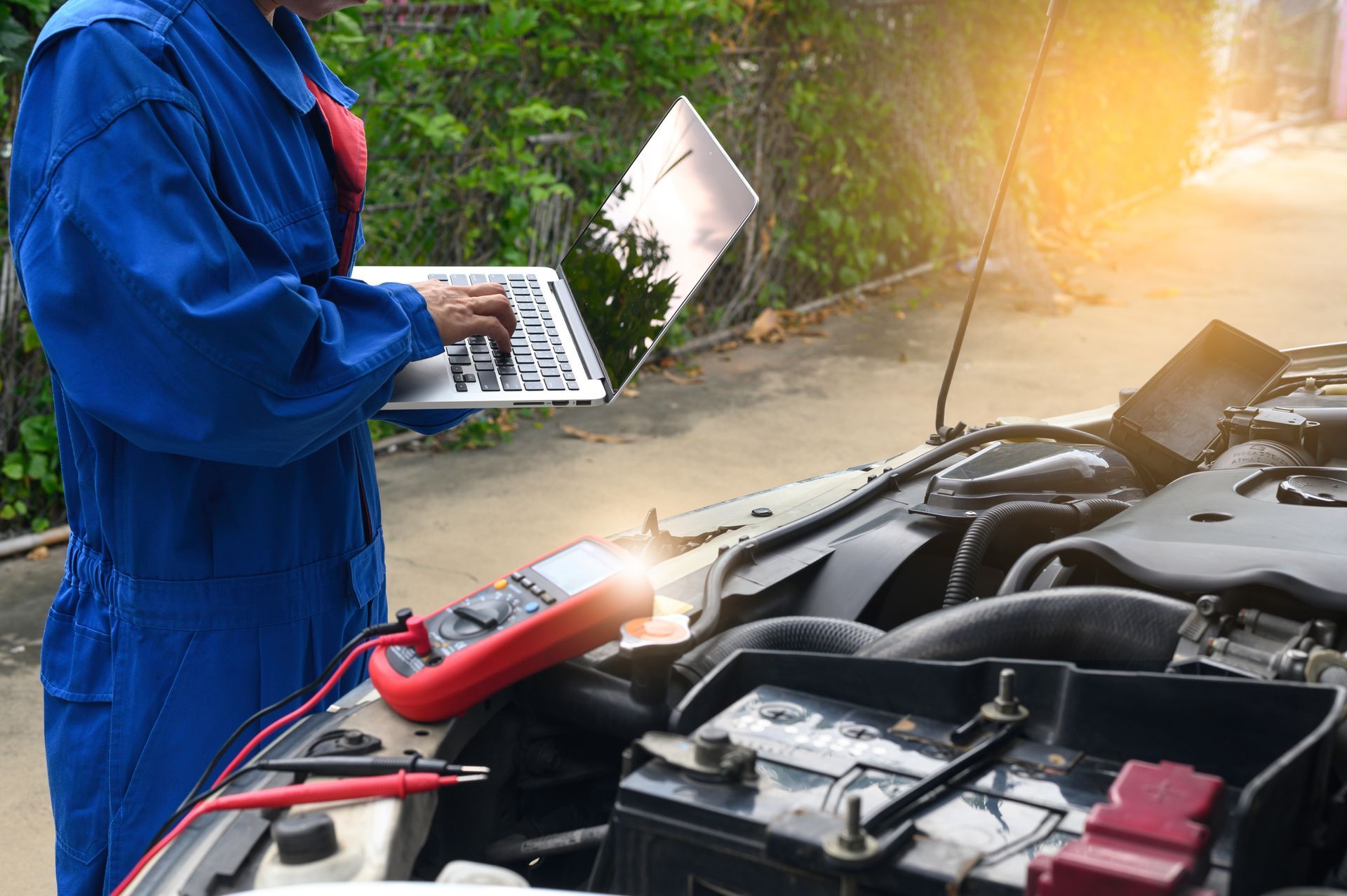
Factory Diagnostic Equipment Professional import specialists invest in manufacturer-specific diagnostic tools and software. These tools can access all vehicle systems, perform required adaptations, and provide accurate diagnostic information that generic equipment misses.
Technical Information Access Import specialists subscribe to manufacturer databases that provide detailed repair procedures, wiring diagrams, and technical specifications. This information ensures repairs are done correctly the first time.
Specialized Tools and Equipment Many import vehicles require unique tools for proper service. From special sockets to programming equipment, import specialists have the tools needed to work on your vehicle safely and effectively.
The Value of Specialized Knowledge
Choosing an import specialist provides several important benefits:
Accurate Diagnosis Specialists can quickly identify problems that might take generic shops hours to figure out—if they figure them out at all. This saves you time and money while ensuring the real problem gets fixed.
Proper Repair Procedures Import specialists know the correct way to service your vehicle. They understand which components need special handling, what torque specifications to use, and how to avoid damaging sensitive systems.
Quality Parts Selection Specialists know which parts work best in your specific vehicle and driving conditions. They can recommend OEM, OEM-equivalent, or quality aftermarket parts that will provide reliable service.
Warranty Protection Many import warranties require service by qualified technicians using proper procedures. Specialists ensure your warranty remains valid while providing the care your vehicle needs.
Red Flags: When Your Shop Isn't Import-Ready
Watch for these warning signs that your current shop might not be equipped for import service:
- They use only generic diagnostic equipment
- They can't explain why specific procedures are necessary
- They suggest "equivalent" parts without understanding system requirements
- They take much longer than expected to diagnose problems
- They recommend unnecessary services or miss obvious issues
Finding the Right Import Specialist in Denver
Look for these qualifications when choosing an import specialist:
ASE Certification in relevant specialties shows commitment to professional standards.
Manufacturer Training certificates demonstrate ongoing education and expertise.
Proper Equipment including brand-specific diagnostic tools and specialized equipment.
Experience with Your Brand and knowledge of common issues in Colorado's environment.
Customer Reviews from other import owners who've faced similar challenges.
The Bottom Line
Import vehicles represent significant investments that deserve specialized care. In Denver's challenging environment, proper service from knowledgeable specialists protects your investment, ensures your safety, and prevents costly problems.
Don't trust your import to just any shop. The complexity of modern import vehicles, combined with Colorado's demanding conditions, requires expertise that only true specialists can provide.
Denver's Trusted Import Specialists
At Importsports Auto Repair Pros & Performance, we've specialized exclusively in European and Japanese imports since 1997. Our ASE Certified technicians have the factory diagnostic equipment, manufacturer training, and specialized knowledge your import needs to thrive in Denver's challenging environment.
Whether you drive a Honda, BMW, Toyota, Mercedes-Benz, or any other import brand, we understand the unique requirements of your vehicle. Our state-of-the-art facility and commitment to ongoing education ensure your import receives the expert care it deserves, backed by our 36-Month/36k-Mile TechNet warranty.
Don't settle for generic service for your sophisticated import vehicle. Contact us today at
(303) 752-2422 or book your import service appointment online. Experience the difference that true import expertise makes for your vehicle's performance, reliability, and longevity.